

Deliblato Sands
Sand dunes in Banat, ninety minutes from Belgrade
- When to go
- September 19° · 8 rainy days
- Per day
- €price 1 of 5
- How many days
- 1days
- For you
- 6 questions →
- Nearest airport
- 58 km Belgrade
- Right now

Deliblato Sands is the largest continental sand area in Europe — roughly 35 by 20 kilometres of dunes piled up by the košava wind, topped by Mala Čoka at 197 metres. It isn't a desert and it wasn't always wooded: the forests were planted from 1818 onwards, precisely to stop the sand moving.
It has been protected at the highest level since 1977, later designated an Important Bird Area and, along the Danube edge, a Ramsar site. Across some thirty-five thousand hectares grow more than nine hundred plant species, among them the Banat peony flowering in April and May, while the imperial eagle and the ground squirrel still hold on here.

Important before you go: the sands burned in July and August 2026. The fire was spotted on 21 July, broke containment in early August, and damage estimates run from four to over five thousand hectares. Parts of the area remain under access restrictions, and a habitat like this recovers over decades. Before setting out, check with Vojvodinašume what is currently open — the situation changes.
Guides for Deliblato Sands
Shorter, practical pages for one concrete question each — how many days, how much money, where to sleep, where to escape the city.

Deliblato Sands in 1 day
→The whole visit fits into one day from Belgrade, but the route depends on what's open after the 2026 fire — check…

What to see in Deliblato Sands
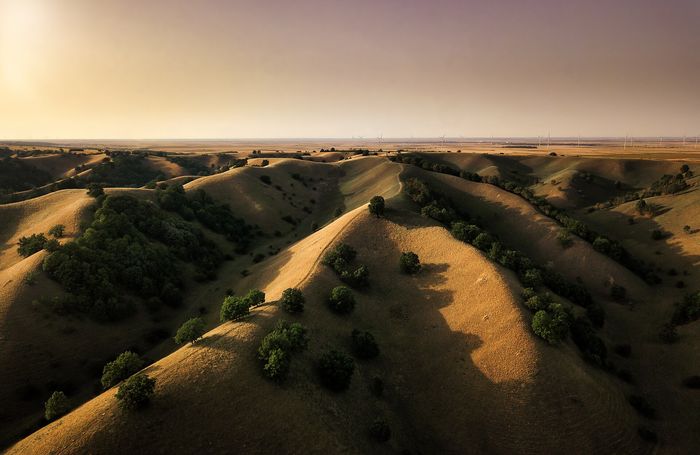
Dunes and views
Sand terrain shaped by the košava wind, topped by Mala Čoka at 197 metres above sea level. It isn't the landscape you expect in Vojvodina, which is exactly why it registers — a plain that suddenly starts to roll.
€1.04
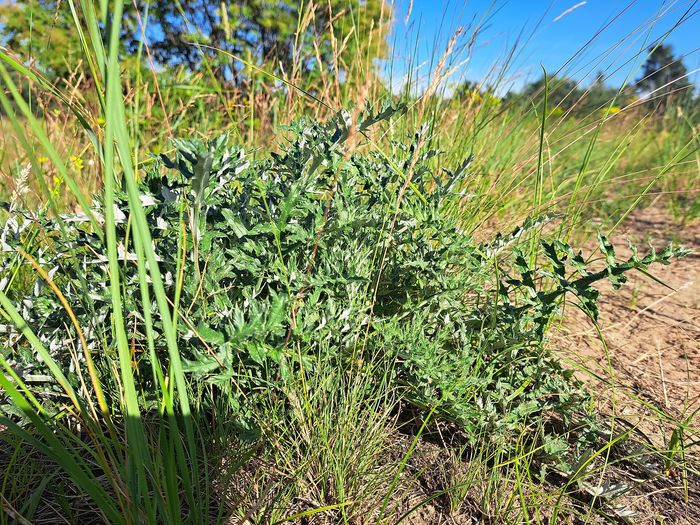
The Banat peony
It flowers in April and May, and that's when the sands look best. More than twenty orchid species grow alongside it. All of it is strictly protected — look and photograph, don't pick.
€1.04
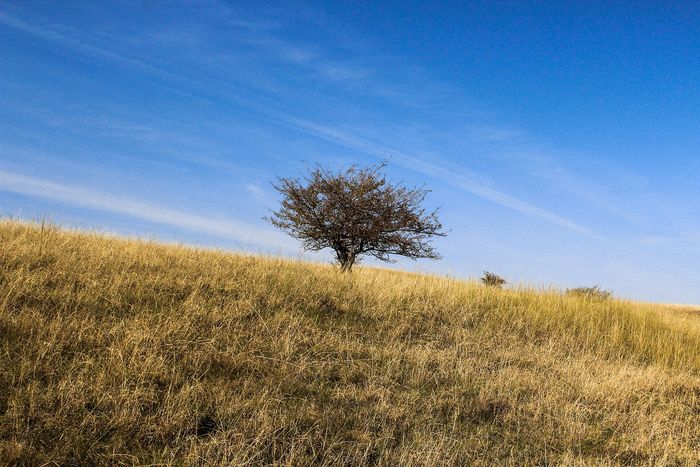
Birds and steppe animals
The area has been an officially recognised bird habitat since 1989. The eastern imperial eagle nests here, and ground squirrels live in the grass. Bring binoculars and patience, ideally early in the morning.
€1.04
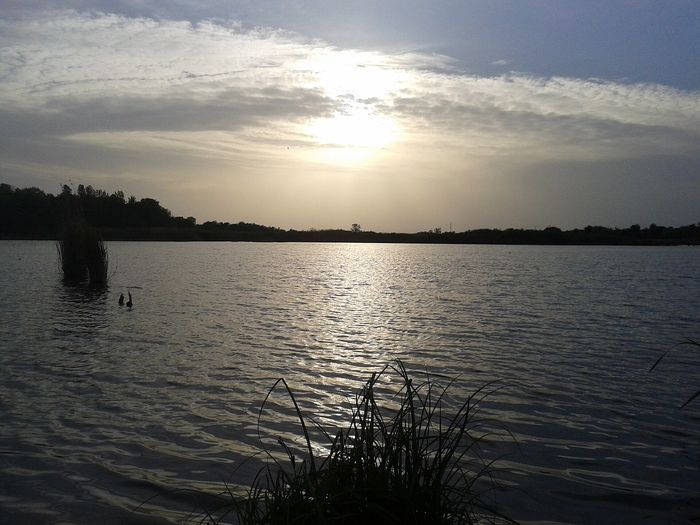
Devojački Bunar
A recreation area founded in 1895 that gives the whole district its name. The well it's named after is 163 metres deep and dried up long ago. Today it's the trailhead and the only place with food and drink.
€1.04
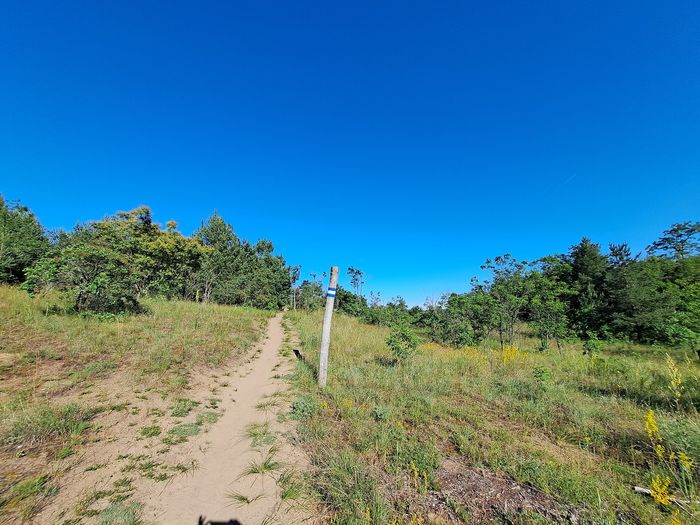
Cycling and walking trails
A network of marked trails runs through the acacia and pine forests planted in the nineteenth century. The strictest protection zone isn't entered without a guide.
€1.04


Two things you probably did not know
The Deliblato Sands are the largest inland sand area in Europe, some three hundred square kilometres of sand blown out of the Danube bed by the kosava wind over centuries. Planting has stopped the dunes, but their shape still shows under the acacia woods.
The dry sand and steppe vegetation have earned it the name of the European Sahara, though it sits in the middle of Banat. Species live here that are found nowhere else in Serbia, the Banat peony among them.
Ready for Deliblato Sands?
Within reach from here
Places sorted by straight-line distance from Deliblato Sands — day trips or weekends.

Serbia
→The north an hour away by train, the mountains three or four by car — Serbia divides by the time you have

Montenegro
→The Bay, the riviera or Ulcinj for the sea, Durmitor for July — choose the coast by its beaches and the north by the month

Greece
→The north by road, the Cyclades by ferry, Rhodes by air — pick the region first and the island second
All 277 places we write about sit on one page — narrow them down by continent, country, price or what you are travelling for.
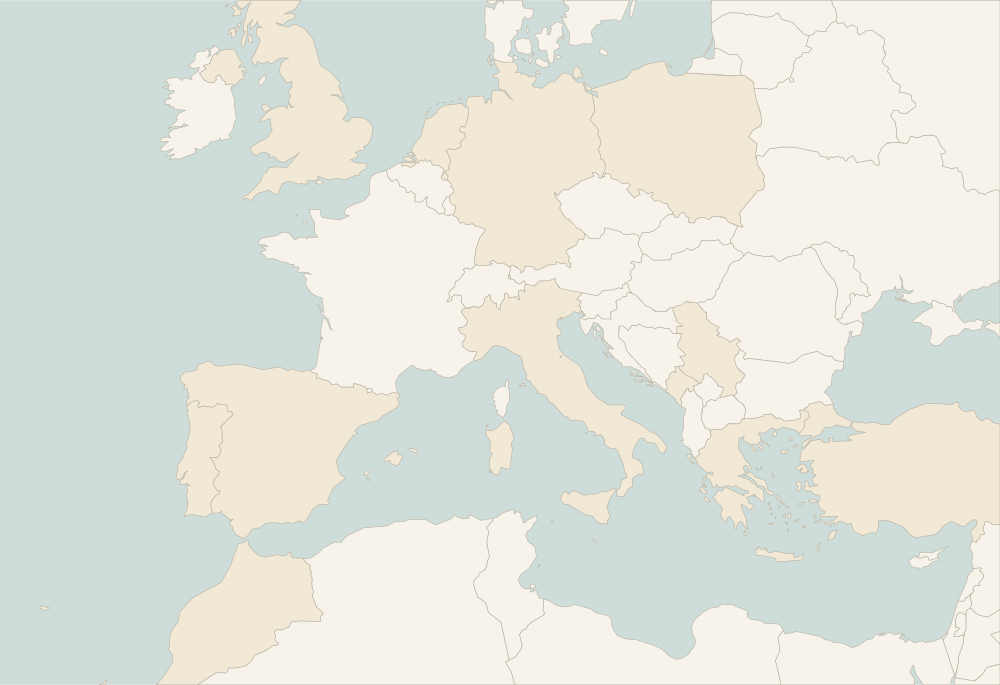
Within reach from here: Vršac, Belgrade and Kragujevac
See how much of that actually suits you — or pin Deliblato Sands if you have been.
Front row for the next trip
Leave your email and we'll let you know when a new destination or story goes up.