

Budva
The Middle Ages and a summer club, two hundred metres apart
- When to go
- November 14° · 15 rainy days
- Per day
- €€€price 3 of 5
- How many days
- 2–3days
- For you
- 6 questions →
- Nearest airport
- 16 km Tivat · 35 km Podgorica
- Right now
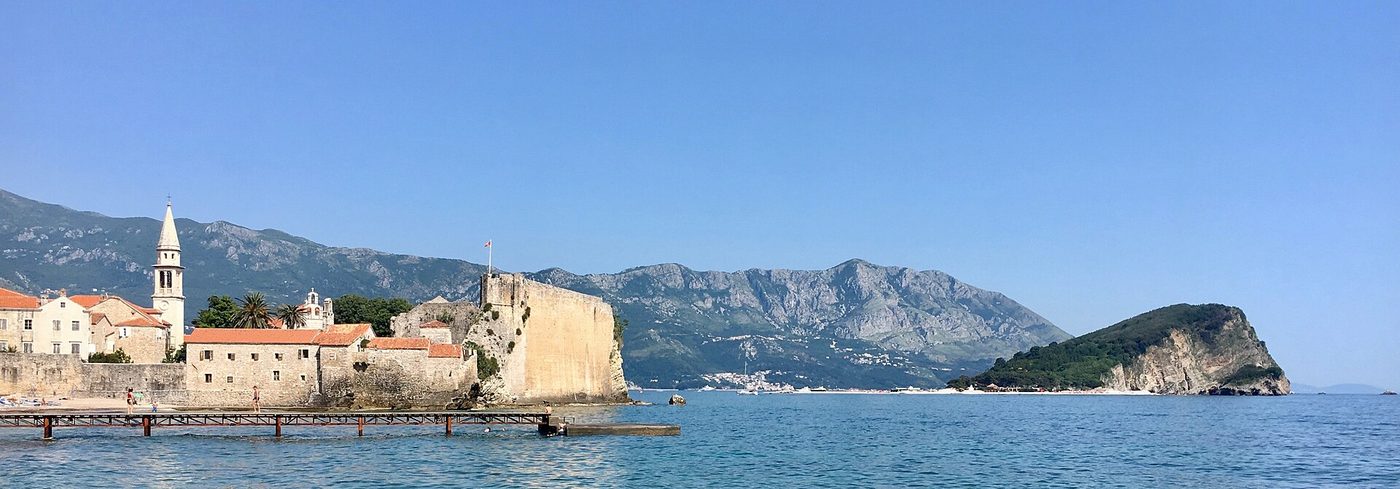
Budva is among the oldest settlements on the Adriatic, roughly two and a half thousand years old, but what you are looking at isn't the original: the earthquake of 15 April 1979 brought the old town down, and it was put back stone by stone over eight years. The reconstruction is good enough that you never notice, which is the best and the strangest fact about the place at once.
The old town is under two hundred metres at its longest and takes fifteen minutes to cross. Four churches stand side by side on the northern square, among them Santa Maria in Punta from 840, and at the southern tip is the citadel, once the Castle of St Mary, with a hundred and sixty metres of sea-facing rampart and an Austrian barracks in the yard. The citadel is ticketed and worth it for the view over the roofs to the island offshore.

The town isn't what makes Budva contentious, the season is. In July and August most of Montenegro's tourism arrives at once, beaches are sold by the sunbed, and prices on the waterfront jump to a level unrelated to the rest of the country. The 'expensive and loud' reputation comes out of those two months. In June and September the sea is just as warm, the town is walkable, and accommodation is noticeably cheaper.
The beaches each solve a different problem: Slovenska is a kilometre and a half long and right beside the town, so it's also the most crowded; Mogren is smaller, under a rock face just beyond the old town, with no car access; Jaz is west of town, with a campsite and ground that doubles as a concert site in summer.
3-star hotel, double room, per person per night
Timed-entry tickets and guided tours in one place.
Both sites fill in your nearest airport for you; change it in one click.
Guides for Budva
Shorter, practical pages for one concrete question each — how many days, how much money, where to sleep, where to escape the city.

Budva in 2 days
→Day one is the citadel, the museum and the night scene in season; day two is Mogren, Jaz and a boat to the island — two days that cover both the stone and the sea.

Day trips from Budva
→Sveti Stefan and Kotor by bus, the island by boat, Lovćen and Ostrog by car, each with its own travel time.

Where to stay in Budva
→Everything in Budva is on the sea, so you choose where to stay by how late the music runs.

What Budva costs
→Sleeping, food, transport and tickets in Budva each carry their own range, already in euro.

Budva beyond the citadel and the beaches
→An Austro-Hungarian fortress ruin above a beach, a church from 840 now used for exhibitions, and an open-air dig by the Hotel Avala, three places left once the citadel and the beaches are done.

What to eat in Budva
→Fish soup opens the meal, Njeguši ham and cheese come down from the mountains above the bay, and grilled squid or octopus arrives as a full main portion.

The best time to visit Budva
→The sea runs from 14°C in winter to 26°C in August, the clubs for eight to ten weeks, and the rain returns in September.

Getting around Budva
→No single airport line runs from Tivat to Budva — several carriers share the same stretch of road — and inside the town, most of it is on foot.

Mistakes everyone makes in Budva
→A city-transport ticket covers just one ride, the museum is shut on Mondays, and the boat to the island sits idle outside the season — small things that can eat a whole day here.
What to see in Budva
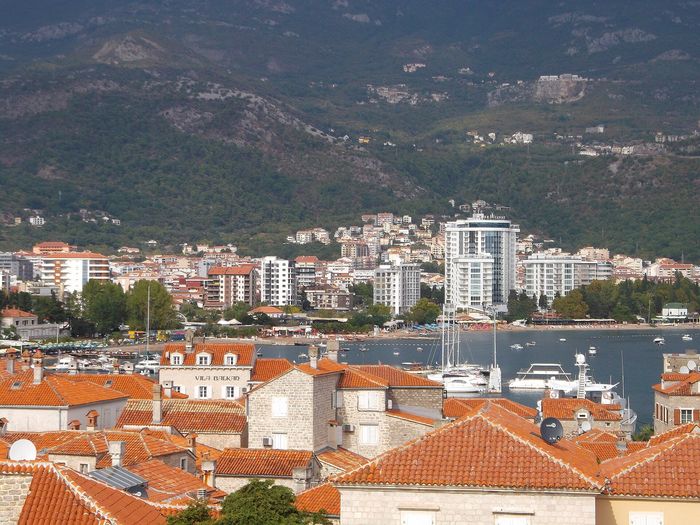
The old town and the citadel
Walls, four churches on one square, and the citadel on the southern point. All of it was rebuilt after the 1979 earthquake to the original plans. Come early or after nine at night, because at midday the lanes are narrow and full.
€2 (includes history brochure)
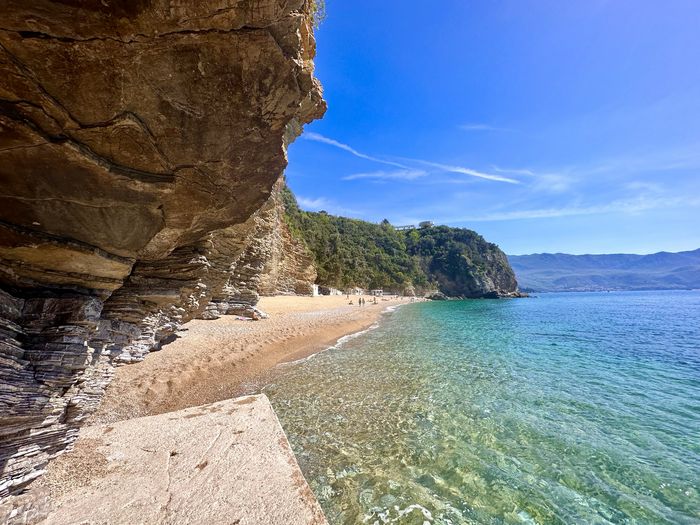
Mogren
Two small coves under a rock face, reached from the old town only on foot, by a hundred-and-fifty-metre concrete path along the cliff, so not with much luggage either. Shingle, clear water, and far less space than there are people in August; there are few sunbeds and they go early. Best before ten in the morning.
free (beach)
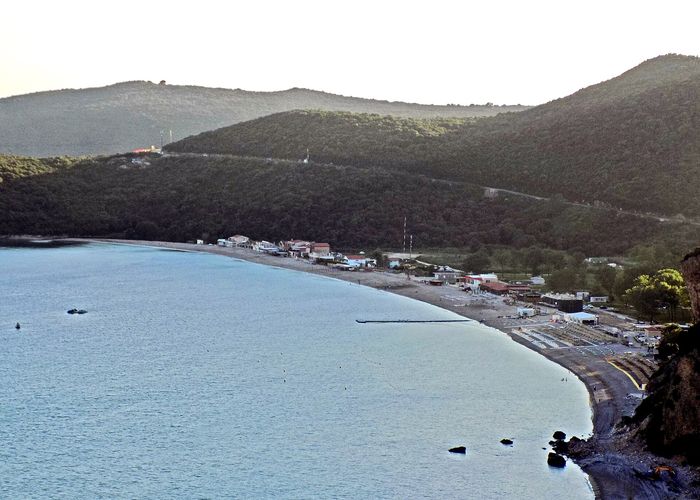
Jaz
Two and a half kilometres west, the main stretch about eight hundred and fifty metres of shingle, with a campsite holding two thousand. The same ground is a concert site for over forty thousand: the Rolling Stones in 2007, Madonna in 2008 in front of 47,524 people.
free (beach)
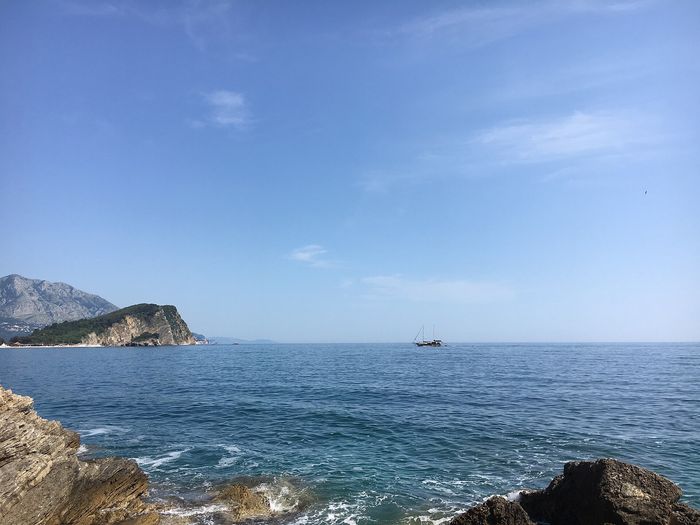
Sveti Nikola island
A kilometre offshore, the largest island on the Montenegrin coast, known locally as 'Hawaii'. Taxi boats leave from Slovenska beach and in front of the old town through the season, €5 return per person, cash on the jetty. There are three shingle beaches and a couple of taverns on it, and nothing else.
€5
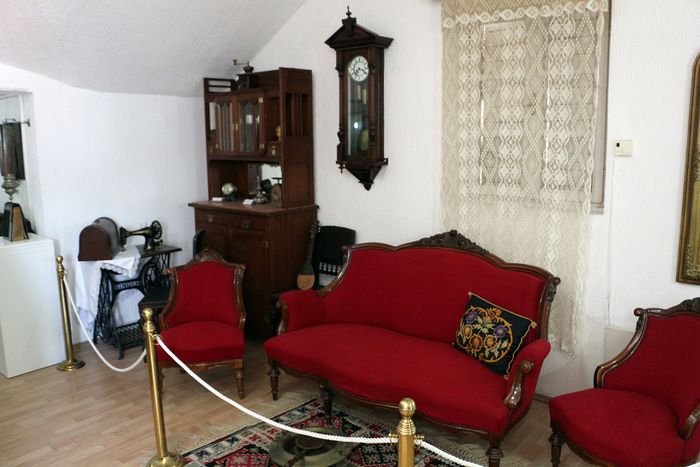
Budva City Museum
A building from 2003 right inside the old town: an archaeological collection from the city's necropolises on the first three floors, an ethnographic one on the fourth. Closed Monday, entry €5 (groups €4, ages 12–18 €3, under 12 free).
€5 (groups €4, ages 12–18 €3, under 12 free) · closed Monday
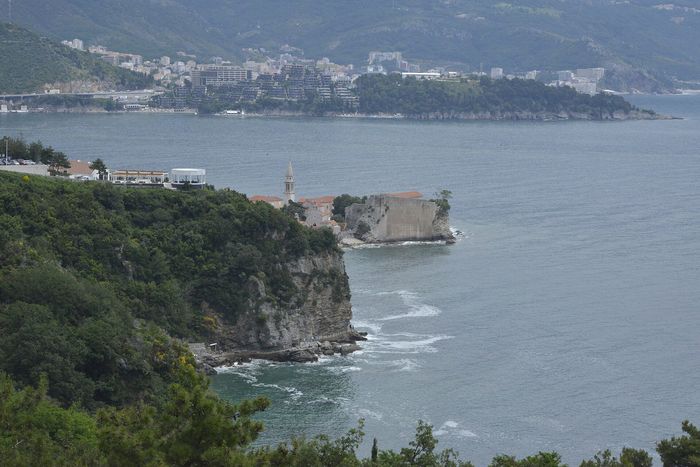
Slovenska beach
Entry is free (free (beach)), like the town's other two beaches, but this is the only one reached straight off the town promenade, without a cliff path or a drive to a campsite. Sunbeds and umbrellas rent separately, by the piece.
free (beach)


Stories from Budva
How it actually was when we were there, and what was worth it.

New Year's Eve in Budva: concerts by the Old Town and a plan B
→New Year's Eve in Budva is a run of concerts on the main square under the Old Town ramparts, with a hotel table as the quieter option. The 2026/27 programme has not been announced, so this page describes the last edition and what it teaches.
Nomadinho scores out of 100, the same ones behind “Where to go”.
If you like Budva
Three places with the closest scores, from any country.


Two things you probably did not know
The 1979 earthquake brought down almost the whole old town. It was rebuilt stone by stone from photographs and surveys made before the quake, so what you walk through today is an exact copy, finished only in 1987.
A Hellenistic necropolis with gold jewellery, Greek vases and silver vessels was dug up below the old town in 1938. The finds are kept in the town museum and are the strongest evidence that a Greek town stood here.
Before you go
Short answers to what people ask most before setting out.
How many days do you need in Budva?
Two to three days for the town itself; more if it is your base. The old town takes fifteen minutes to cross, so a longer stay is better spent on a trip out than on another sight in town.
How do you get from Tivat airport to Budva?
There is no direct bus from the terminal: walk 100 m to the main road, then take an intercity coach, 24–45 min for €3.56–5.53. Inside Budva a short ride is €1.50.
When is the best time to visit Budva?
June and September. In July and August most of Montenegro's tourism arrives at once and waterfront prices jump, while in June and September the sea is just as warm and accommodation is noticeably cheaper.
Ready for Budva?
Within reach from here
Places sorted by straight-line distance from Budva — day trips or weekends.

Montenegro
→The Bay, the riviera or Ulcinj for the sea, Durmitor for July — choose the coast by its beaches and the north by the month

Serbia
→The north an hour or two away by train, the mountains three or four by car — Serbia divides by the time you have

Greece
→The north by road, the Cyclades by ferry, Rhodes by air — pick the region first and the island second
All 292 places we write about sit on one page — narrow them down by continent, country, price or what you are travelling for.
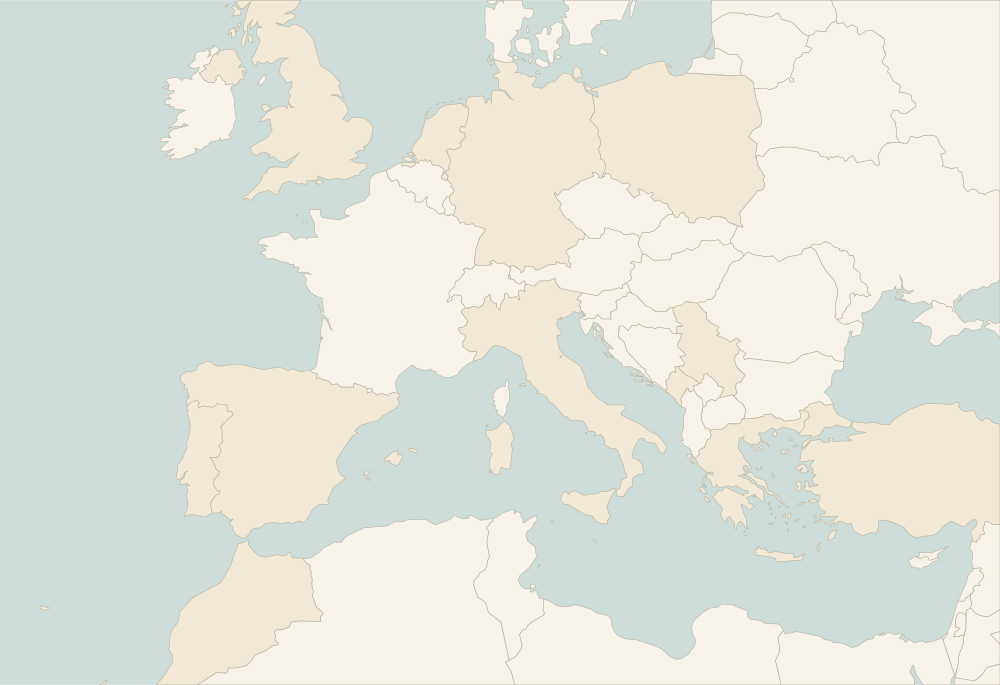
Within reach from here: Sveti Stefan, Cetinje and Kotor
See how much of that actually suits you — or pin Budva if you have been.
Front row for the next trip
Leave your email and we'll let you know when a new destination or story goes up.