

Tunnel of Hope Sarajevo: Tickets, Cash and What You See in Butmir
Twenty-five metres of original tunnel, a hundred metres of rebuilt tube and a ticket office that takes no cards
- Ticket
- €10.23 (20 KM)
- Open
- 1 Apr–31 Oct 8.30–17, 1 Nov–31 Mar 9–16
- Payment
- Cash in marks only
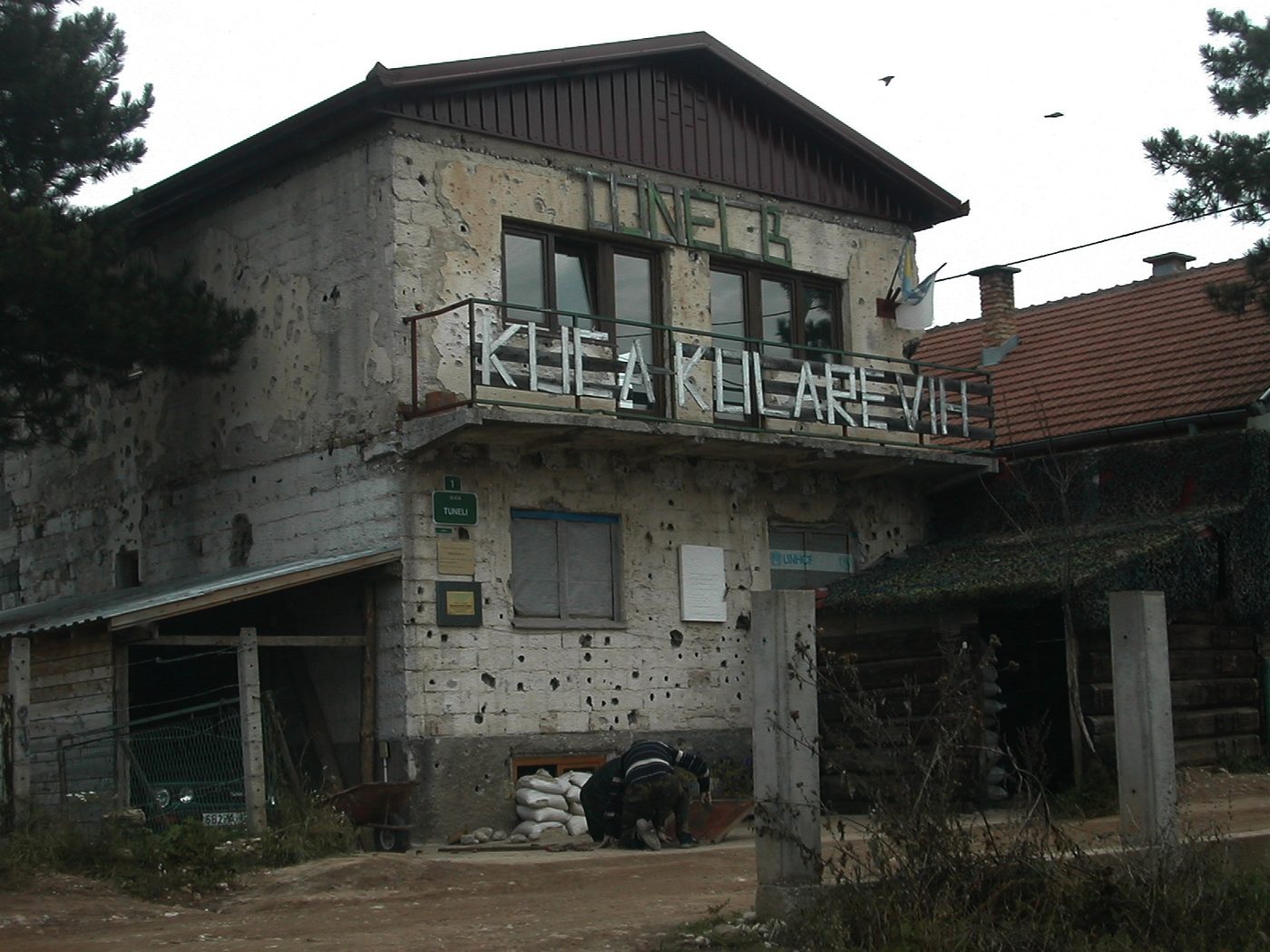
You do not walk through the Tunnel of Hope to the other side. You enter through the house of the Kolar family in Butmir, step into 25 m of original tunnel and 100 m of rebuilt tube, and the ticket desk takes only marks. Plan the morning around those three facts and the visit is simple.
Which ticket for the Tunnel of Hope
There is one ticket that matters, the regular one for adults at €10.23 (20 KM). Pupils and students pay a reduced price with an ID, children under 6 go in free, and the audio guide is €1.53 (3 KM) on top. The site is run by the Sarajevo Memorial Centre, and its own page states the rule that matters most at the desk: no credit cards and no foreign currencies.
So the euros in your pocket will not help, and neither will a phone wallet. Take marks out of a cash machine in the city before you set off, and keep small notes for the audio guide. The audio guide, a few marks on top of the ticket, is the better pick if you would rather move at your own pace than wait for a guided group.
Cards and foreign currencies are not accepted.
Official ticket
- Adult
- €10.23 (20 KM)
- Payment
- cash in marks only
- Audio guide
- €1.53 (3 KM)
- Under 6
- free
Through a partner
- options with a guide or audio guide
- usually costs more than the official ticket
Getting there and when to come
The museum is in Butmir, next to the airport and southwest of the centre. The practical ways to reach it are a taxi or a tour, so decide which one before the morning starts and carry enough cash for the taxi as well, since taxis in the city take cash only. A tour is the easier choice if you would rather not arrange the ride back. Going alone by taxi makes sense if you are happy to settle the return with the driver on the spot.
Opening hours follow the season: 1 Apr–31 Oct 8.30–17, 1 Nov–31 Mar 9–16. The last entry is 30 minutes before closing, so a late arrival on a winter afternoon can cost you the whole visit. Go early in either season, because the exhibition comes first and takes time before you reach the tunnel itself.
What you see in the museum
The exhibition in the house tells the story of the siege on a map of Sarajevo as it was for the Olympic Games of 1984. That backdrop puts the Games of 1984 and the siege that began in 1992 on the same streets. The siege lasted 1,425 days from 5 April 1992, and the Memorial Centre calls it the longest siege of a capital in modern warfare.
Further in come the objects of daily life under the siege, the things that citizens made themselves, and the tins of humanitarian aid that fed them. Another part is about the digging, with the first plans and orders, photographs of the builders and the tools they used. The Sarajevo Memorial Centre has run the site since April 2012.
What it was and how much you see
The digging began on 1 March 1993, the two ends met on 30 June, and the tunnel was in use from 1 July 1993. The Butmir end was in the house of the Kolar family. The tunnel joined Dobrinja and Butmir under the airport runway, and the full length under the runway was 340 m. Between 3,000 and 4,000 people passed through it every day, together with 30 tonnes of goods.
The passage was low and narrow, 1.6 m high on the Dobrinja side and 1.8 m in Butmir, and 0.8 m wide at the top and 1 m at the bottom. The visitor section is a fraction of the original. The other mouth of the tunnel was in a garage of an apartment building in Dobrinja, on the far side of the runway. You walk 25 m of authentic tunnel and 100 m of rebuilt tube, which is a fair taste of the passage and nowhere near a walk under the runway.

When there is no time
With only a short window, protect the tunnel and drop the extras. These choices keep the visit worth the trip:
- Arrive when the doors open, at 8.30 in the season and at 9 in winter.
- See the exhibition first and then the tunnel, in the order the site lays them out.
- Take the audio guide if you do not want to join a tour.
- Come back to the city for the City Hall or the War Childhood Museum if the ride feels too long, and book a tour rather than a taxi if you are not travelling alone.

Where to next
Sarajevo in 3 days
→The bazaar and the City Hall on day one, the cable car and the bobsled track on day two, the National Museum and the Tunnel of Hope on day three, with Monday and Sunday changing the order.

Mostar · 71 km
→The Old Bridge, the cobbles of Kujundžiluk and the Neretva in its gorge, with Blagaj, Počitelj and Kravice within forty kilometres

How well does Sarajevo suit you?
→Six questions: a score for this place and others like it.
Nomadinho scores out of 100, the same ones behind “Where to go”.
If you like Sarajevo
Three places with the closest scores, from any country.


Before you go
Short answers to what people ask most before setting out.
Can you pay by card or in euros at the Tunnel of Hope?
No. The official site says it accepts no credit cards and no foreign currencies, so the ticket must be paid in cash in marks.
How much of the tunnel can you walk?
Visitors can walk 25 m of the original tunnel and 100 m of rebuilt tube. The whole tunnel under the runway is 340 m long.
From what age do children enter free?
Children under 6 go in free. Pupils and students pay a reduced ticket with an ID.
Ready for Sarajevo?
Front row for the next trip
Leave your email and we'll let you know when a new destination or story goes up.