

The Wachau
Thirty-six kilometres of Danube, terraced vineyards and an abbey on the rock above
- When to go
- November 6° · 8 rainy days
- Per day
- ~47 · 77 · 100 €budget · mid · comfort, per person · checked 21 Sep 2026
- How many days
- 1days
- For you
- 6 questions →
- Nearest airport
- 78 km Vienna
- Right now
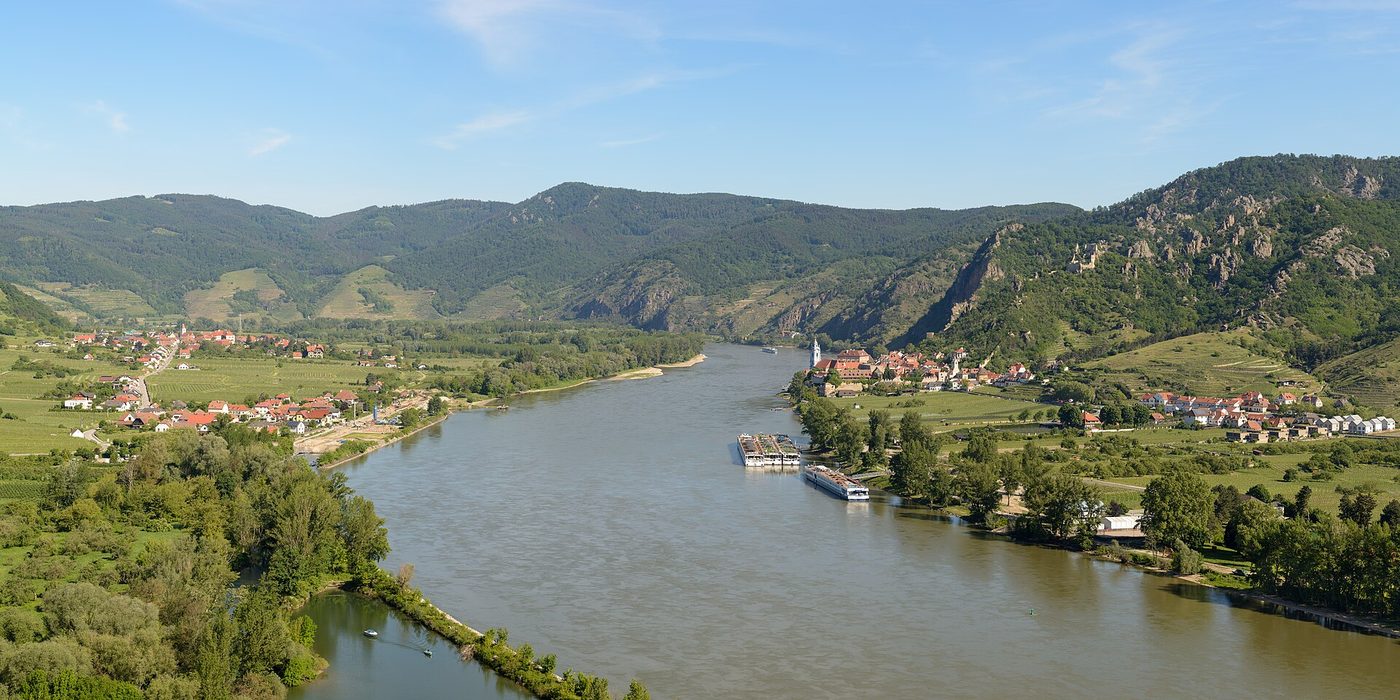
The Wachau is a 36-kilometre stretch of the Danube between Melk and Krems. It is short enough to see in a single day, since both towns are an hour by train from Vienna and the river between them can be covered by boat or by bike. Terraced vineyards, small villages and abbeys line the banks, and together they are the reason UNESCO has listed the valley as a cultural landscape since 2000.
The boat runs from late March to early November, with up to four sailings a day each way in high season. It calls at Dürnstein, Weißenkirchen, Spitz and Emmersdorf along the way. Going downstream from Melk to Krems takes about an hour and 45 minutes, while upstream takes around three hours, so the natural order is a train to Melk, the boat downstream and a train home from Krems. A one-way ticket is €40. For a round trip from one town there is a combined ticket at €57, which pairs the boat in one direction with the local train along the north bank and a bus in the other. The train only runs from Krems to Emmersdorf, and a bus covers the rest of the way to Melk.

The Danube cycle path is flat and signposted along the whole valley, which makes Melk to Krems about half a day's ride with stops in the villages. Public nextbikes are picked up at a station in one village and left in another, and a bike goes aboard the boat for €3, so you can ride one stretch and sail the next.
3-star hotel, double room, per person per night
Both sites fill in your nearest airport for you; change it in one click.
Guides for The Wachau
Shorter, practical pages for one concrete question each — how many days, how much money, where to sleep, where to escape the city.

The Wachau in 1 day
→One loop from Krems to Melk and back: train and bus there, a boat down the Danube on the way home, with the clifftop abbey and two villages along the way.

The best time to visit The Wachau
→Three separate reasons for a date in the Wachau: when the boat runs its full timetable, when the apricots ripen and when the grapes are picked, and the three rarely line up.
What to see in The Wachau
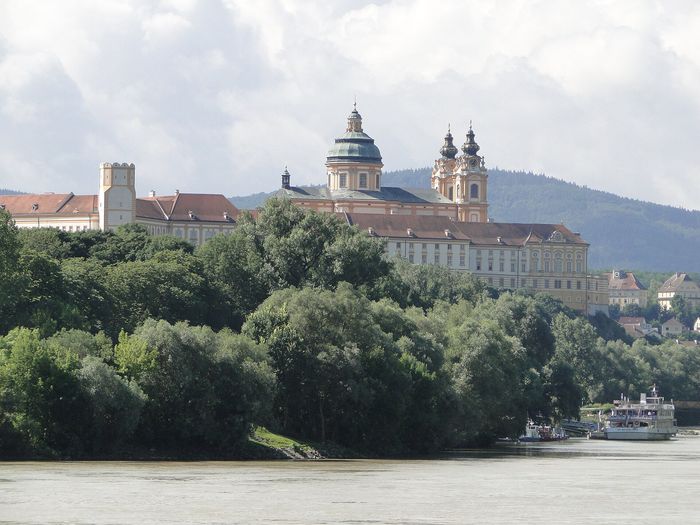
Melk Abbey
A Benedictine abbey on a rock above the Danube, in the baroque form it took in 1702–1736. The tour leads through the museum in the former imperial rooms, the Marble Hall, the terrace over the valley and the library, while the church can be seen on your own. From March to October it opens from 9:00 to 17:30.
€16 · at least 2 h 30
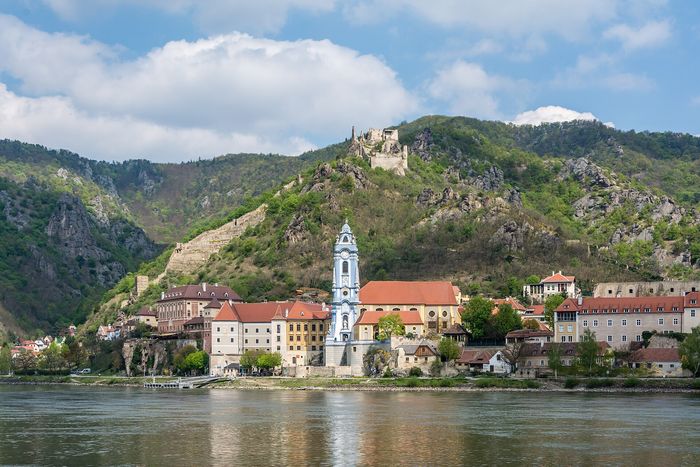
Dürnstein
A village with the blue-and-white tower of its abbey and the castle ruin above, where Richard the Lionheart was held in 1192–1193. The climb to the ruin takes about twenty minutes, and the bend in the river is the view from the top.
free (ruin freely accessible) · 20–30 min (climb to the ruin)
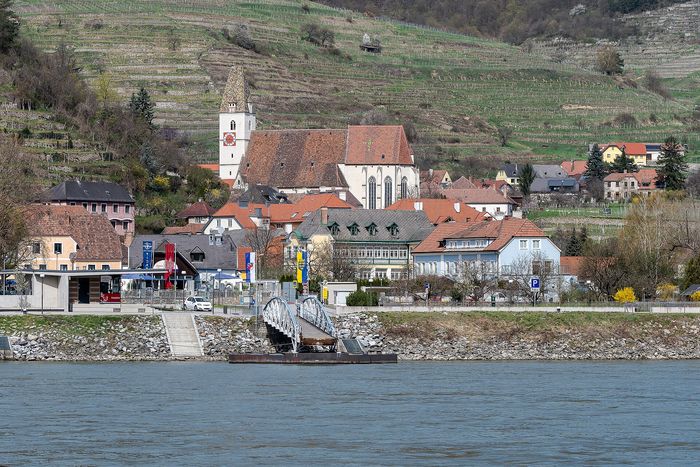
Spitz
A village built around the vineyard hill of the Tausendeimerberg, with vines and apricot trees in the middle of town and a late gothic church from the fifteenth century, and the boat calls at the bank just below it.
free
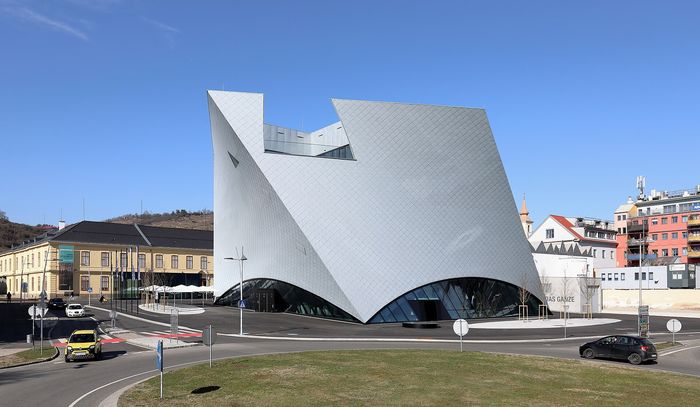
Krems and the Kunstmeile
In the Stein quarter, by the landing stage, stand the Landesgalerie Niederösterreich, the Kunsthalle and the Caricature Museum, which together make an afternoon for a wet day or for the hours after the boat and before the train to Vienna.
€18 (combo ticket) · half a day
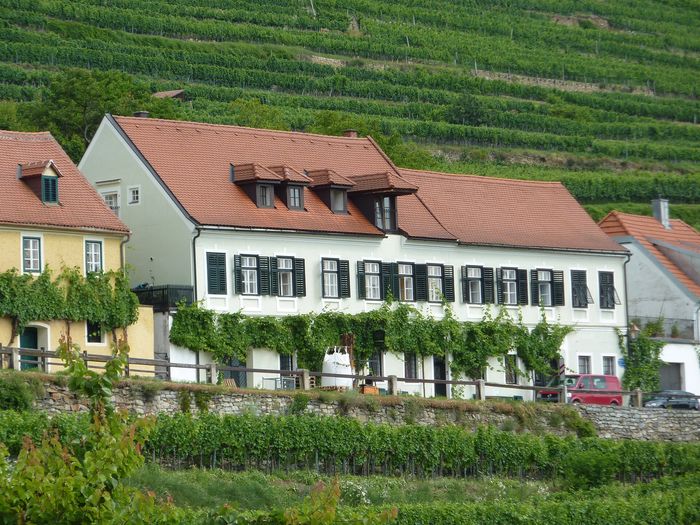
Grüner veltliner and riesling
Wachau labels carry the style of the Vinea Wachau association: Steinfeder is a light wine up to 11.5% alcohol, Federspiel goes up to 12.5%, and Smaragd lies above that, so the label alone lets you choose without a tasting.
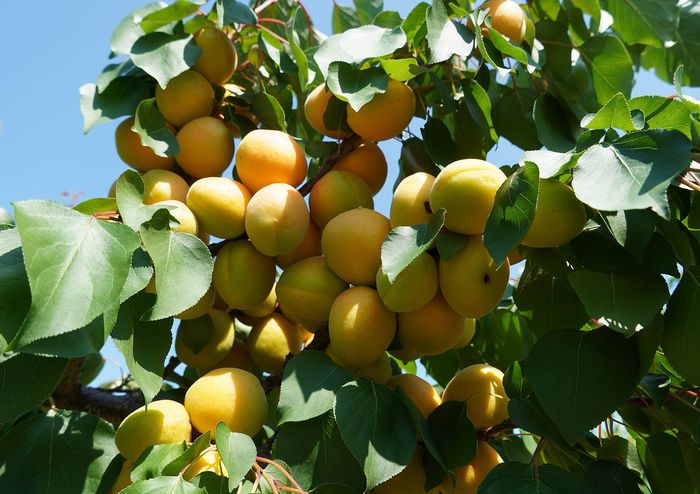
Wachau apricots
The Wachauer Marille has held an EU protected designation of origin since 1996, and its harvest starts around mid-July and lasts three to four weeks, so if apricots are the reason you come, that is the time to be there.


Nomadinho scores out of 100, the same ones behind “Where to go”.
If you like The Wachau
Three places with the closest scores, from any country.


Two things you probably did not know
The Venus of Willendorf, a limestone figurine some thirty thousand years old, was found at Willendorf in the Wachau in 1908. It is now in the Natural History Museum in Vienna and is one of the best known prehistoric finds anywhere.
Wachau apricots have protected origin status and are picked over just three weeks in July. They go into brandy, dumplings and jam, and the blossom in April draws as many people as the harvest.
Before you go
Short answers to what people ask most before setting out.
Can you do the Wachau in a day from Vienna?
Yes. Melk and Krems are each about an hour by train from Vienna, and the boat between them takes about an hour and 45 downstream. The order is train to Melk, boat to Krems, train home.
Does the boat run in winter?
No. It does not run from early November to the end of March, and in the valley you then go by train, bus or bike. In high season it sails up to four times a day each way.
When is the best time to visit the Wachau?
May, June and September, when the boat runs its full timetable. The apricot harvest starts around mid-July and lasts three to four weeks, and October brings the grape harvest.
Ready for The Wachau?
Within reach from here
Places sorted by straight-line distance from The Wachau — day trips or weekends.

Austria
→A country where the train from a Vienna coffee house to a Tyrolean cable car takes just over four hours — so you choose the order, not the country

Germany
→A country with no single centre but a dozen, each convinced it is the main one

Italy
→The cities on the high-speed line are an hour or two apart; the coast, Matera and the Tuscan hills lie off it
All 292 places we write about sit on one page — narrow them down by continent, country, price or what you are travelling for.

Front row for the next trip
Leave your email and we'll let you know when a new destination or story goes up.