

The best time to visit Ljubljana
May and June for walking, July and August for the river and the heat, autumn for rain and fog, winter for the fair and the cafés.
- Best months
- May–June, September
- Warmest month
- July, mean daily maximum 27.3 °C
- Wettest months
- September and October, 147 mm each
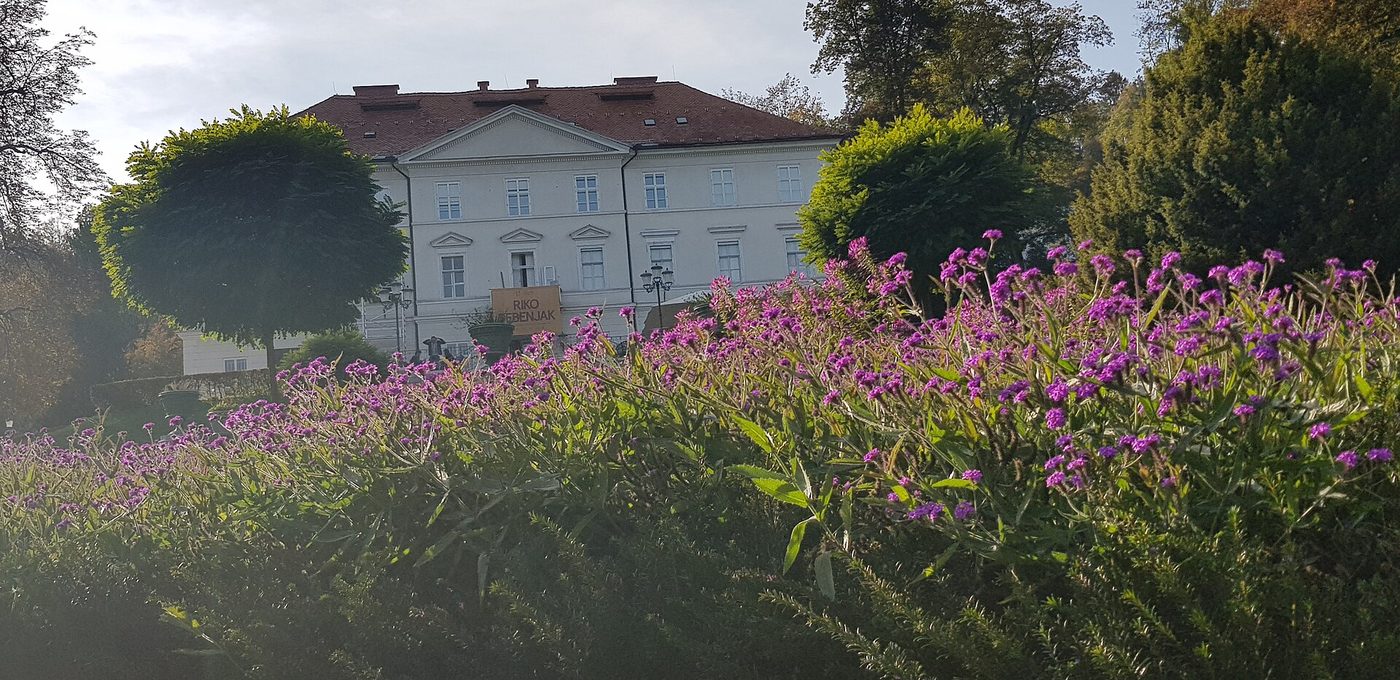
The right month for Ljubljana depends on what you came to do. A walk through the centre wants a dry day, the river wants a warm evening and the Christmas fair wants cold. Every figure on this page comes from the climate normals for 1981 to 2010 at the Ljubljana Bežigrad station, so they describe the typical month and say nothing about the weather of any given year.
Through the year
Heat and the river
July is the warmest month, with a mean daily maximum of 27.3 °C, 23 days above 25 °C and 293 hours of sunshine. That is the month for the riverbank and for an evening on the water. Hot days in the strict sense are fewer than the heat suggests, 19 a year above 30 °C, spread as 4 in June, 8 in July and 7 in August.
Rain does not leave in summer. June brings 144 mm and August 137 mm, mostly as showers, so a summer plan needs a roof for the afternoon. On Fridays until the end of October the Open Kitchen turns Pogačarjev trg into an open-air dining room, which is the best reason to be in town on that day of the week.
hostel, dorm bed, per night

Spring and autumn
May is the safest pick: a mean maximum of 21.4 °C, 235 hours of sunshine and 109 mm of rain. The Open Kitchen starts in the middle of March, so a spring visit already has its Fridays.
September looks like May on the thermometer, at 21.6 °C, and then it rains 147 mm. October has the same 147 mm and a maximum of 15.9 °C, so it is the month to carry an umbrella and to put the Central Market halls and the museums at the centre of the plan. Both months are the wettest of the year.

Snow, the fair and the cafés
January is cold, with a mean maximum of 3.4 °C and a minimum of −2.5 °C, 15 days with snow on the ground and 71 hours of sunshine. December gives only 56 hours of sunshine and 19 overcast days, so the light comes from the city instead. Over a full year snow covers the ground on 50 days, 14 of them in February and 11 in December, and November adds 17 overcast days to the gloom. A winter visit is a plan of cafés, covered halls and the fair, with the outdoors as a bonus. The Christmas and New Year fair and the lights run from 27 November 2026 to 14 January 2027, with food and drink stalls in the historic centre and free concerts.
Holidays change little. The castle is open all 365 days, until 17:00 on 31 December and from 10:00 on 1 January. Plečnik House is closed on 1 November, 25 December and 1 January, and on 24 and 31 December it opens from 10:00 to 14:00. Book its tour before any trip that falls on those dates.


Where to next
Getting around Ljubljana
→By bus from the airport to the station, on foot through the centre, with BicikeLJ and Kavalir, and up to the castle by path or funicular.

Bled · 46 km
→A lake with an island, a castle on a cliff and the Julian Alps behind it all: Bled takes two days, or three with Vintgar and Bohinj

How well does Ljubljana suit you?
→Six questions: a score for this place and others like it.
Nomadinho scores out of 100, the same ones behind “Where to go”.
If you like Ljubljana
Three places with the closest scores, from any country.


Ready for Ljubljana?
Front row for the next trip
Leave your email and we'll let you know when a new destination or story goes up.