

- Published
- 9 November 2026
- Reading
- 8 min read
- Where
- Before you go
- Prices checked
- 5. Nov 2026.
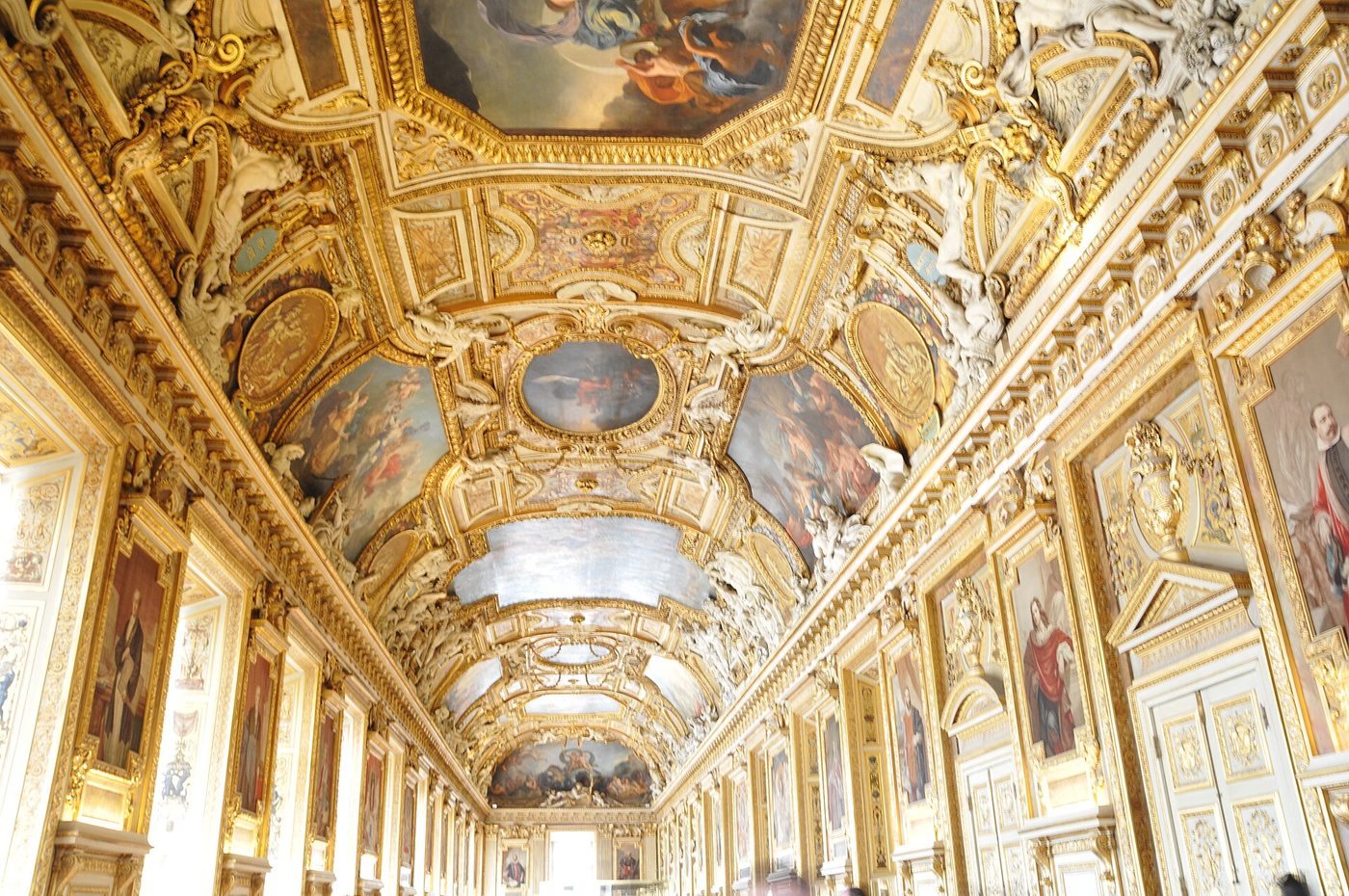
What you pay at Europe’s big sights depends on your age and your paperwork, and in France and Italy also on EU or EEA citizenship or residence. This guide sorts the main sights by the rule each one really applies.
The best under 26 museum discount in Europe, free entry in France and the reduced ticket in Italy, is reserved for EU and EEA citizens or residents, so a traveller with a non-EEA passport usually pays the full price. London, Amsterdam, Vienna, Prague and Lisbon work differently, with discounts tied to age or a student card, and every sight sets its own age range. A student discount at museums in Europe is therefore never one rule, and an ISIC card is judged at each ticket desk.
Two kinds of discount: by age and by status
Almost every offer falls into one of three groups. The first is age, and the limits wander: 13 to 25 at one palace, 16 to 26 at a garden, 18 to 24 at another. The second is a student card, whether ISIC, the Dutch CJP or a national one. The third is citizenship or residence, which is where the EU and EEA rules in France and Italy come in. Bring photo ID in every case, and where residence counts, a residence permit with your name and photograph.
Free under 26, but for the EEA
For the Louvre, free under 26 for non-EU visitors is not on offer. Both the Louvre and Versailles admit everyone under 18 for free, and EEA nationals or residents under 26, while other visitors pay the full ticket: at the Louvre €32 against €22 at the EEA rate, and at Versailles, with the Passport in high season, €35 against €32. The two-tier prices date from 14 January 2026. A student from outside the EEA who holds a residence permit for more than 90 days is treated as an EEA resident at the Louvre, and shows photo ID plus a permit that carries name and photograph.
Official ticket
- EEA
- €22
- Non-EEA
- €32
Through a partner
- options with a guide or audio guide
- usually costs more than the official ticket


Reduced tickets for 18–25, for EU and EEA citizens
The rule at Italian state museums has three steps. Under 18 is free for everyone, ages 18 to 25 get a reduced ticket from €2 for EU and EEA citizens, and the offer stops the day after the 25th birthday. Switzerland and Uruguay are added at the Naples museum and at the Accademia in Florence. Other foreigners can qualify with certain visas, and the museum’s own page lists them, so the current rule is best read there. On the first Sunday of the month entry is free for all at the Colosseum and in Naples.


By age or with a student card
London is where a student discount at museums in Europe gets simpler, because the offers below are tied to age or a student card and the sources behind them do not name a passport. Each sight draws its own line, so read the range before the price. Prices in pounds are converted into euros.


CJP, ISIC and students
CJP is the Dutch card for young people, and several Amsterdam museums name it next to ISIC. The NEMO page also lists the European Youth Card, while Rembrandt House takes ISIC. Anyone who holds none of these should expect to carry a student document or photo ID instead.
A ticket with a chosen time slot, booked ahead.


Vienna, Prague, Budapest, Lisbon, Barcelona, Madrid
In these cities the range depends on the sight: 13 to 25, 16 to 26, 19 to 25, or 19 to 26 with ISIC. The sources behind the prices below do not mention nationality, so they say nothing either way about foreign visitors, and each entry carries its own age band. The Prado is the exception to the pattern: its free slot is open to everyone, at Mon–Sat 6–8 pm, Sun and holidays 5–7 pm.


ISIC and other cards: what sights actually ask for
ISIC is the international student card, and its own site calls it the only internationally accepted student identity card. That does not make it a key to every ticket desk. It never replaces a citizenship rule, so it will not unlock the Louvre or the Italian state museums by itself. Where a sight does not state which cards it accepts, bring a second document such as a student record or photo ID, and ask at the desk.
ID, slot, online ticket
Free entry still needs a booked time slot at the Louvre, so a free ticket is something to reserve, not just show up with. Carry the original ID that matches the ticket, because a photo on a phone is a gamble at a busy gate. Some places sell reduced tickets only at the desk, as with the Colosseum’s first-Sunday entry, and for those an online partner ticket makes no sense. Where full-price tickets can be bought online, the page of the sight itself shows the options.
Before you go
Short answers to what people ask most before setting out.
Is the Louvre free for under 26 if my passport is not from the EU?
Only if you are an EEA national, or an EEA resident with a permit for more than 90 days. Everyone is free under 18. Other visitors pay the full ticket, listed at €32, since the two-tier prices began on 14 January 2026.
Do non-EU students get a discount at museums in Italy?
The 18 to 25 reduced ticket at state museums is for EU and EEA citizens, with Switzerland and Uruguay by reciprocity. Some other foreigners qualify with specific visas, and the museum’s own page lists them. In Naples the one student offer on the museum page is the OPEN MANN annual card.
Does an ISIC card work at museums in Europe?
At some of them, such as Rembrandt House and the Hospital in the Rock, ISIC is named explicitly. It does not replace a citizenship rule, and each sight decides which cards it takes.
What ID do I need for youth tickets?
Photo ID in every case. Where residence decides, as at the Louvre, add a residence permit with your name and photograph. Carry the original, and book the time slot for free entry.
Which sights give a youth or student discount without an EU passport?
In London, Amsterdam, Vienna, Prague, Lisbon, Budapest and Barcelona the offers are tied to age or a student card, and the sources behind them do not name a passport. Each sight reads its own rule, so the age band on the entry is what counts.
Serbia, in brief
What now
If this sounds like your trip, start here.

Serbia
→The north an hour or two away by train, the mountains three or four by car — Serbia divides by the time you have

Travel insurance explained: what it covers and what it leaves out
→Which parts of travel insurance are worth buying for which kind of trip, what a state health card already pays for, what a policy leaves out and what to do on the day something goes wrong.

Travel eSIM, roaming or a local SIM: which one fits your trip
→A travel eSIM, EU roaming and a local SIM card each suit a different kind of trip, and the right pick depends on how long you stay and where your own SIM comes from.

Flight delay compensation and lost luggage: what you can claim
→What a late flight or a missing suitcase gives you depends on the route, the airline and the clock.

Alicante With Kids: Beaches, Castle and Benidorm Parks
→Alicante offers a city beach and a castle, while its three big family parks stand in Benidorm, an hour up the coast by tram.

Prague With Kids: Zoo, Petřín and Aquapalace by Age
→Prague suits families because its three big family days sit on a hill, in a park and in a water world.

Rome With Kids: What to Do by Age and How to Plan a Day
→Rome with kids works best when you choose by age and height, not by a list of monuments.

Amsterdam With Kids: Zoo, Science and a Ship
→Four family stops, ARTIS, Micropia, NEMO and the Maritime Museum, sit in two pairs close together.

London With Kids: What to Do by Age and What Is Free
→A London break with children works best with two stops a day that sit close together.

Barcelona With Kids: Zoo, Aquarium, CosmoCaixa and Beach
→The zoo, the aquarium and a science museum all sit within reach of the metro, and the beach is one stop away.

Vienna With Kids: Zoo, Aquarium, Prater and Museums
→Vienna works for families because each big name has its own age line.

Paris With Kids: Zoo, Aquarium, Science City and Disneyland
→In Paris the age of the child picks the day: a science house for toddlers, the zoo and aquarium for school age, Disney and museums for teenagers.

Car hire in Greece: tolls, ferries and Athens
→Tolls are paid at plazas, the hire contract decides whether a car may board a ferry, and central Athens has an odd-even rule.

Car hire in Spain: tolls, the DGT label and city zones
→No vignette but a few toll motorways, a DGT sticker that decides whether a car may enter Madrid or Barcelona, then Cuenca, Granada and Tenerife, where a hire car earns its keep.

Car hire in Czechia: vignette, winter tyres, Prague parking
→The electronic vignette and its fine, winter tyres by law, Prague's parking zones and P+R lots, then what a car means in Český Krumlov, Kutná Hora and Plzeň.

eSIM for Chile: local SIM, roaming or travel eSIM
→A travel eSIM installed at home suits a short trip, and a registered prepaid SIM suits a long stay.

eSIM for Argentina: local SIM, roaming or travel eSIM
→A travel eSIM installed at home suits a week or two, and an Argentine line registered with your passport suits a longer stay.

Car hire in Austria: vignette, tolls and winter tyres
→A vignette before the motorway, six stretches with a toll of their own and winter tyres by law, then the rules of Hallstatt, Zell am See and Kitzbühel.

Car hire in Montenegro: tolls, ferry and parking
→Montenegro sells no vignette, so a rental car pays at the booth, once for the Sozina tunnel and once on the motorway north of Podgorica.

Car hire in Croatia: tolls, ferries and parking
→Croatia charges motorway tolls at booths, has no vignette and plans to replace the booths with cameras by…

Car hire in France: Crit’Air, tolls and where to drive
→France has low-emission zones that need a Crit’Air sticker and motorways paid by the section, some with no barriers at all.

Car hire in England: driving left, London and villages
→Which side to drive on, what London charges and where a hire car earns its keep.

Car hire in Italy: ZTL, motorway tolls, Tuscany, Dolomites
→Hotel plates for ZTL zones, the colours of the motorway lanes, and the two regions where a rental car earns its fee: Tuscany and the Dolomites.

eSIM for Kenya: roaming, Safaricom or a travel eSIM
→For a week or two a travel eSIM set up at home is the easy route, and a Safaricom line suits a longer stay.

eSIM for Slovakia: Serbian SIM, Orange or travel eSIM
→Slovakia is on the European Commission’s roam-like-at-home list, but Serbia is not.

eSIM for Brazil: local SIM, roaming or travel eSIM
→A travel eSIM installed at home suits a week, and a Brazilian line suits a longer stay.

eSIM for Mauritius: staying online on the island
→Mauritius is an island with hotel Wi-Fi in the lobby and a beach three bays away.

eSIM for Namibia: roaming, local SIM or travel eSIM
→Namibia is a trip of long drives between a few towns and lodges, so the phone needs a data plan from the first day and maps that work offline.

eSIM for Tanzania: local SIM, roaming or travel eSIM
→For Tanzania, a travel eSIM is installed at home, while a local SIM means a passport and a fingerprint at a counter.

eSIM for South Africa: local SIM, roaming or eSIM
→A travel eSIM installed at home suits a week, and a prepaid SIM registered under RICA with your passport suits a longer stay.

eSIM for Romania: Serbian SIM, Romanian SIM or travel eSIM
→A Serbian SIM sits outside Romania’s EU roaming rules.

eSIM for Bulgaria: Yettel eSIM, roaming or travel eSIM
→A Serbian SIM has no European roaming in Bulgaria.

eSIM for China: local SIM, roaming or travel eSIM
→In China the SIM you pick decides which of your everyday apps work.

eSIM for Japan: pocket Wi-Fi, data SIM or travel eSIM
→A pocket Wi-Fi router, a data SIM from an electronics shop or a travel eSIM: how each one works for a visitor from Serbia, and which suits a week in Tokyo or a loop through Kyoto and Osaka.

eSIM for Vietnam: roaming, local SIM or travel eSIM
→Vietnam is a long trip, and one data plan has to last from Hanoi to Ho Chi Minh City.

eSIM for Thailand: passport rules, 60 days and what to buy
→Thailand ties every prepaid SIM to a passport, so the choice is between a queue at an airport counter and a travel eSIM installed at home.

eSIM for Tunisia: roaming, Ooredoo SIM or travel eSIM
→A travel eSIM installed at home covers a short trip to Tunisia, while Ooredoo’s tourist SIM asks for a passport number from the first form.

eSIM for Morocco: which mobile data option to pick
→Morocco is outside both free-roaming zones, so a Serbian SIM runs at your operator’s own tariff.

eSIM for Hungary: local SIM, roaming or travel eSIM
→A travel eSIM installed at home suits a week, and a Telekom Travel SIM bought with an ID suits ten days or a month.

eSIM for Czechia: local SIM, roaming or travel eSIM
→A travel eSIM installed at home suits a week, and a prepaid SIM from a Czech operator suits a month or more.

eSIM for the Netherlands: local SIM, roaming or eSIM
→A travel eSIM installed at home suits a week, and a prepaid SIM from an operator shop suits a month or more.

eSIM for Portugal: local SIM, roaming or travel eSIM
→A travel eSIM installed at home suits a week, and a prepaid SIM with your passport suits a month or more.

eSIM for Egypt: local SIM, roaming or travel eSIM
→A travel eSIM installed at home suits a week, and a prepaid SIM registered with your passport suits a longer stay.

eSIM for Poland: local SIM, roaming or travel eSIM
→A travel eSIM installed at home suits a week, and a prepaid SIM registered with your passport suits a month or more.

eSIM for Croatia: Serbian SIM, local card or travel eSIM
→A travel eSIM installed at home suits a week on the coast, and a local SIM suits a month or more.

eSIM for Montenegro: when a Serbian SIM is enough
→On a Serbian SIM there is usually nothing to buy for Montenegro.

eSIM for Germany: prepaid SIM, roaming or travel eSIM
→A travel eSIM installed at home suits a week, and a prepaid SIM identified with your passport suits a month or more.

eSIM for Austria: local SIM, roaming or travel eSIM
→Vienna, Hallstatt or Innsbruck: a travel eSIM for a short stay, a prepaid SIM from A1, Magenta, Drei or HoT with your passport for a long one.

eSIM for Greece: islands, ferries and Turkish masts
→Data in Greece causes no trouble until your phone joins the wrong mast.

eSIM for Italy: tourist SIM, roaming or travel eSIM
→A travel eSIM installed at home suits a week, and a tourist SIM bought with your passport suits a month or more.

eSIM for Turkey: install it before you fly
→Turkey is the one country where the usual eSIM routine needs a twist: the plan has to be installed before you leave home.

eSIM for Spain: Airalo or a local SIM card
→Spain is inside the EU roaming regime, but a Serbian SIM is not.

Car rental at the airport or in town: what changes
→Collecting at the airport adds a location surcharge but starts the drive at once, while collecting in town skips the surcharge and the parking until the day you leave.

Night trains in Europe: routes from cities we cover
→This guide maps the night trains that leave Vienna, Munich, Brussels, Amsterdam, Budapest and Belgrade for the cities on this site.

Europe in winter with kids: hours, closures and rinks
→Winter with children is planned by the clock, not by the city: daylight is short, outdoor places close early and some parks shut for the season.

Staying near the main station: when it makes sense
→Whether a room by the main station is a smart choice depends on the city.

Flight cancelled or overbooked: refund and compensation
→A cancelled flight and a seat the airline sold twice call for different moves at the desk.

Long layover: leaving the airport for a city visit
→With a Serbian passport, a long layover can become a city visit only in Schengen and Turkey.

Day trips by train in Europe: how to plan one
→A day trip by train rests on three things: how far the destination is, which kind of train runs there and which ticket you hold.

Flying from Budapest when you live in Serbia
→How to reach Budapest Airport from Serbia by bus, car or the train that is still to start, with the last…

Self-transfer flights: the risk and how to cover it
→Two or more separate bookings stitched into one trip make a self-transfer, and the cover you get depends on whether the flights sit on one reservation or on two.

Direct flights from Niš: where you can fly
→Niš airport has ten destinations in its winter timetable for 2026/27, run by Air Serbia and Wizz Air.

Cheap flights from Belgrade: how to search and when to book
→Cheap flights from Belgrade start with search tools that move the date for you and a sum that includes the ride to the airport.

Free walking tour or a paid guide: which one, where
→A free walking tour suits the first morning in a city, and a paid guide earns the fee where entry or the story depends on one.

International driving permit: where Serbian drivers need one
→An IDP from the Serbian motoring association is a short, one-visit purchase, and whether you need it depends on the country you drive in, not on the driver.

City passes in Europe: when the maths works
→A city pass is worth as many of your planned entries as it covers.

Best viewpoints and observation decks in Europe’s cities
→Whether you reach the top by lift or on foot, the ticket price and the hour you go decide how the visit feels.

Christmas markets with kids in Europe: where to go
→The best Christmas markets with kids have a carousel, an ice rink or a workshop, and a few of them run past Christmas Day.

Rainy day in Paris, London, Rome and other big cities
→Three rules decide a rainy day in a museum city: which day the big house is closed, whether you need a time slot, and which sight to pick when you have only an hour.
Museums closed on Monday and Tuesday in Europe, by city
→Monday and Tuesday are the days when some of Europe's best-known museums close: the Louvre on Tuesday, the Orsay and the Uffizi on Monday.

Best aquariums in Europe: which one suits you
→Ten aquariums in Europe are compared in one table, ordered by the adult ticket.

Palaces and castles in Europe worth the ticket
→Seventeen palaces and castles in Europe compared by what the ticket covers, how long the visit takes and whether you need a time slot.

Catacombs and crypts in Europe: which ones to visit
→Paris sends you through a quarry to an ossuary, Palermo shows bodies laid out in corridors, and Naples and Rome keep early Christian burial tunnels.

Booking.com: free cancellation, pay later and the fine print
→Free cancellation, pay at the property and city tax each look settled on a Booking.com page, yet the property writes the rule behind all three.

Theme parks in Europe by price and age
→This guide compares 13 European theme parks by ticket price, the height of your child and the season they open.

Hotel, apartment or hostel: which to book for a city break
→A hostel bed, a hotel room or an apartment: the right one depends on how many of you are travelling, how many nights you stay and which city you pick.

Low-cost airports far from town: Beauvais, Bergamo, Ciampino
→A cheap flight often lands a long way from the city printed on the ticket.

Museums in Europe you have to book ahead
→Only a handful of European museums turn visitors away without a booked time.

Free museum days in Europe, city by city
→Museum entry comes free in three ways: on the first Sunday of the month, in a set hour before closing, or every day.

Europe With Kids: City Breaks That Work for Families
→Europe with kids comes down to the age of the child and the number of days you have.

Weekend trips from Belgrade by plane: 15 cities to pick from
→Fifteen cities with a Nomadinho guide are reachable from Belgrade on Air Serbia, Wizz Air or LOT, listed here from the shortest flight to the longest.

Renting a car in Europe: deposit, excess and borders
→What a rental desk asks for and what you pay afterwards: card, excess, borders, ZTL fines and vignettes.
Are skip-the-line tickets worth it? When to pay extra
→In most places “skip the line” means a ticket with a fixed entry time, and the official ticket already works that way.

Airport to city centre: taxi, train or pre-booked transfer
→Train, taxi or a pre-booked transfer: the right way from the airport depends on the hour, the luggage and how many of you are travelling.

Best zoos in Europe, and how to visit them
→Schönbrunn in Vienna is the oldest zoo in Europe still operating, open since 1752.
If this sounds like you, there is also Belgrade, Novi Sad and The Iron Gates
Before you go has no page of its own yet, but the region does. See which of them suits you, then pin what you have already done.
Front row for the next trip
Leave your email and we'll let you know when a new destination or story goes up.