

Ngorongoro
A twenty-kilometre crater of an extinct volcano with twenty-five thousand animals on its floor — a one-day safari charged per vehicle, and the one place where a black rhino is close to certain
- When to go
- October 20° · 12 rainy days
- Per day
- €€€€€price 5 of 5
- How many days
- 1days
- For you
- 6 questions →
- Right now

Ngorongoro is one day in the crater, and that is enough: descend at six in the morning, six hours driving the floor where everything but the giraffe is seen, out by two. It is charged unlike anything else: seventy dollars per person to enter the conservation area plus €255 per vehicle for the descent — so the vehicle is filled to the last seat, because the price is shared.
The crater is the caldera of a volcano that collapsed two and a half million years ago: twenty kilometres wide, six hundred metres deep, with walls that hold twenty-five thousand large animals on the floor because most never leave. It has the highest density of lions in Africa and some thirty black rhinos, which are seen almost for certain — which is true nowhere else. There are no giraffes, because they cannot manage the slope, and no impala, for reasons nobody knows. From the rim you see the whole floor like a map, and that view from the lookout is a part of the day not to skip.

The price is per vehicle and that changes the arithmetic: on top of seventy dollars per person to enter the conservation area, valid twenty-four hours, the descent into the crater costs €255 per vehicle regardless of passengers, with eighteen percent VAT on all of it. A group of six shares the descent at about fifty dollars a head; a couple pays it whole. A vehicle may stay down only six hours and enters by schedule, so you set off at dawn: first is coolest, emptiest and has the most cats on the track.
Ngorongoro is done on the way to the Serengeti or back, because the road runs along the crater rim; the lodges on the rim are expensive and have the view, the camps in Karatu an hour below are cheap and do not. The conservation area is larger than the crater — the Maasai live in it with their cattle, which is unique among parks — and includes Olduvai, the gorge where the Leakeys found the first hominids, which is on the road and worth an hour for the museum. Anyone with a spare day goes to Empakaai, a smaller crater with a lake, walked down into with a ranger.
What to see in Ngorongoro
- T
The crater floor at dawn
Descend at six, with the first vehicles, down a steep road through forest to a plain with a lake, a swamp and acacias. Lions on the track, hyenas by the lake, elephants with the biggest tusks in the country in the Lerai forest. Six hours, lunch in the vehicle.
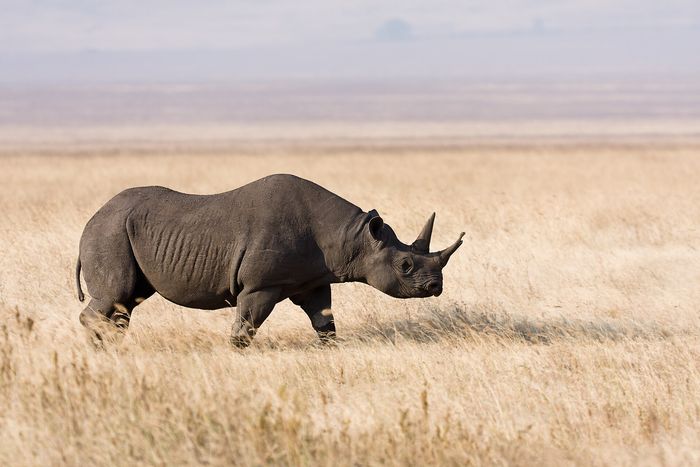
The black rhino
Some thirty animals on the floor, tracked by rangers and found by guides on the radio. The surest place in Africa for a rhino; seen at two hundred metres, with binoculars. This is why the crater is on every tour.
The rim viewpoint
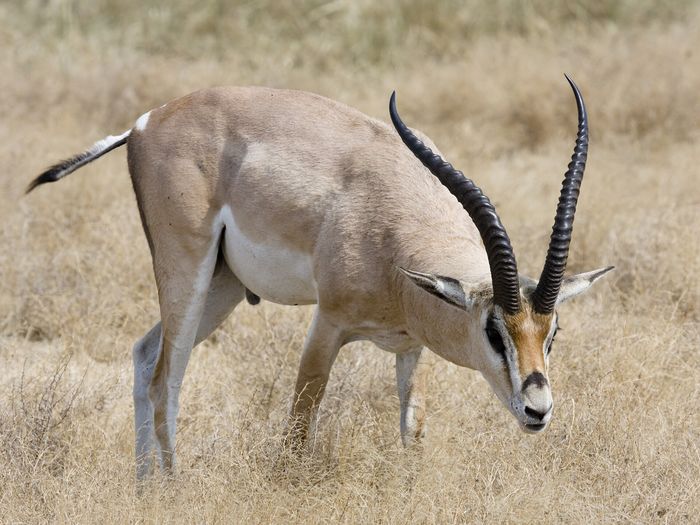
The view from the edge over the whole floor, twenty kilometres wide, with Lake Magadi in the middle and dots that are herds. A stop on the road, half an hour; in the morning there is cloud in the crater, in the afternoon it is clear.
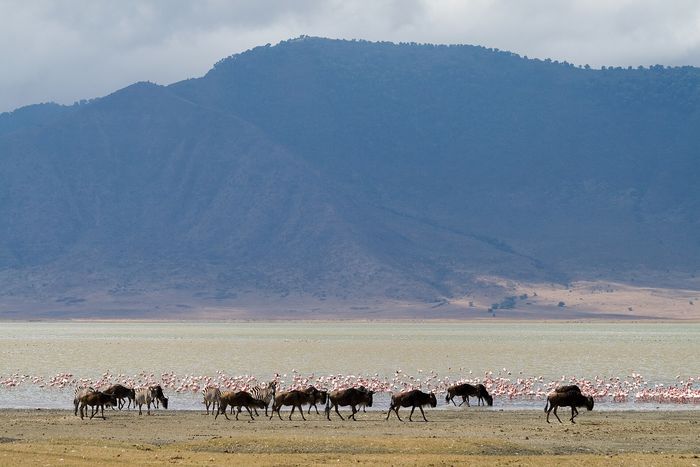
Lake Magadi
A soda lake on the floor with flamingos when there is water, and hippos in the swamp beside it. The Ngoitokitok pool is the one place on the floor where you may leave the vehicle, and where lunch happens — watched by kites that steal sandwiches.
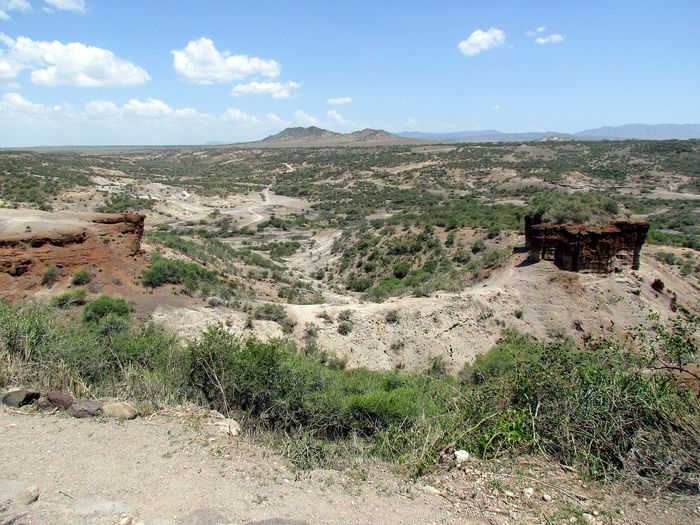
Olduvai Gorge
On the road to the Serengeti, the gorge where hominid remains two million years old were found, with a museum opened in 2017. An hour, between the crater and Naabi gate; the talk on the edge of the gorge is included.
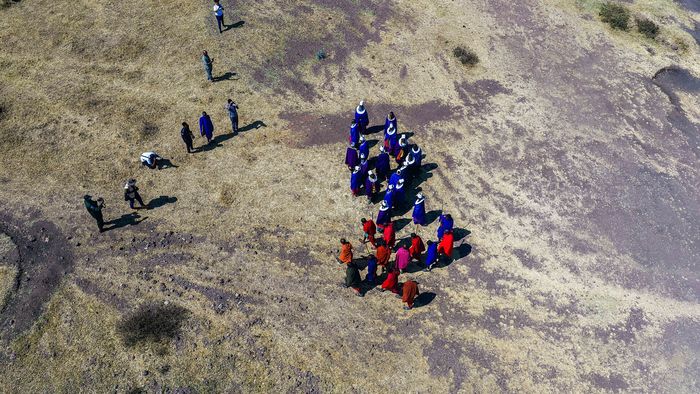
A Maasai village in the conservation area
The Maasai live in Ngorongoro with their cattle, which no other park allows. Villages by the road receive visitors for a fee; it is touristy, but the people are real and live right there. With a guide, half an hour.


Two things you probably did not know
Ngorongoro is the largest unbroken volcanic caldera in the world, twenty kilometres across and six hundred metres deep. It formed when a volcano as tall as Kilimanjaro collapsed into itself.
In the Olduvai gorge, on the edge of the conservation area, Mary and Louis Leakey found tools and fossils almost two million years old in the fifties. Those finds were the first to show that humanity began in Africa.
Ready for Ngorongoro?
Within reach from here
Places sorted by straight-line distance from Ngorongoro — day trips or weekends.

Tanzania
→The Serengeti, Kilimanjaro and Zanzibar in one country — and three different bills: the safari by the day, the mountain by the night, the island by an insurance paid at the door

Kenya
→A safari charged by the day, not by the trip — a reserve whose gate fee doubles in July, while a whole trip costs only half as much more

Mauritius
→An island where you do not choose a hotel but a coast — west for sunsets and calm sea, north for nightlife, east for wind, south for kitesurfing

South Africa
→A country of long distances and reversed seasons, driven on the left throughout
All 277 places we write about sit on one page — narrow them down by continent, country, price or what you are travelling for.
Front row for the next trip
Leave your email and we'll let you know when a new destination or story goes up.