

Kruger
A park the size of Slovenia that you drive yourself, charged by the head and by the day rather than by the car
- When to go
- November 26° · 8 rainy days
- Per day
- €€€price 3 of 5
- How many days
- 3days
- For you
- 6 questions →
- Nearest airport
- 44 km Phalaborwa · 79 km Hoedspruit
- Right now
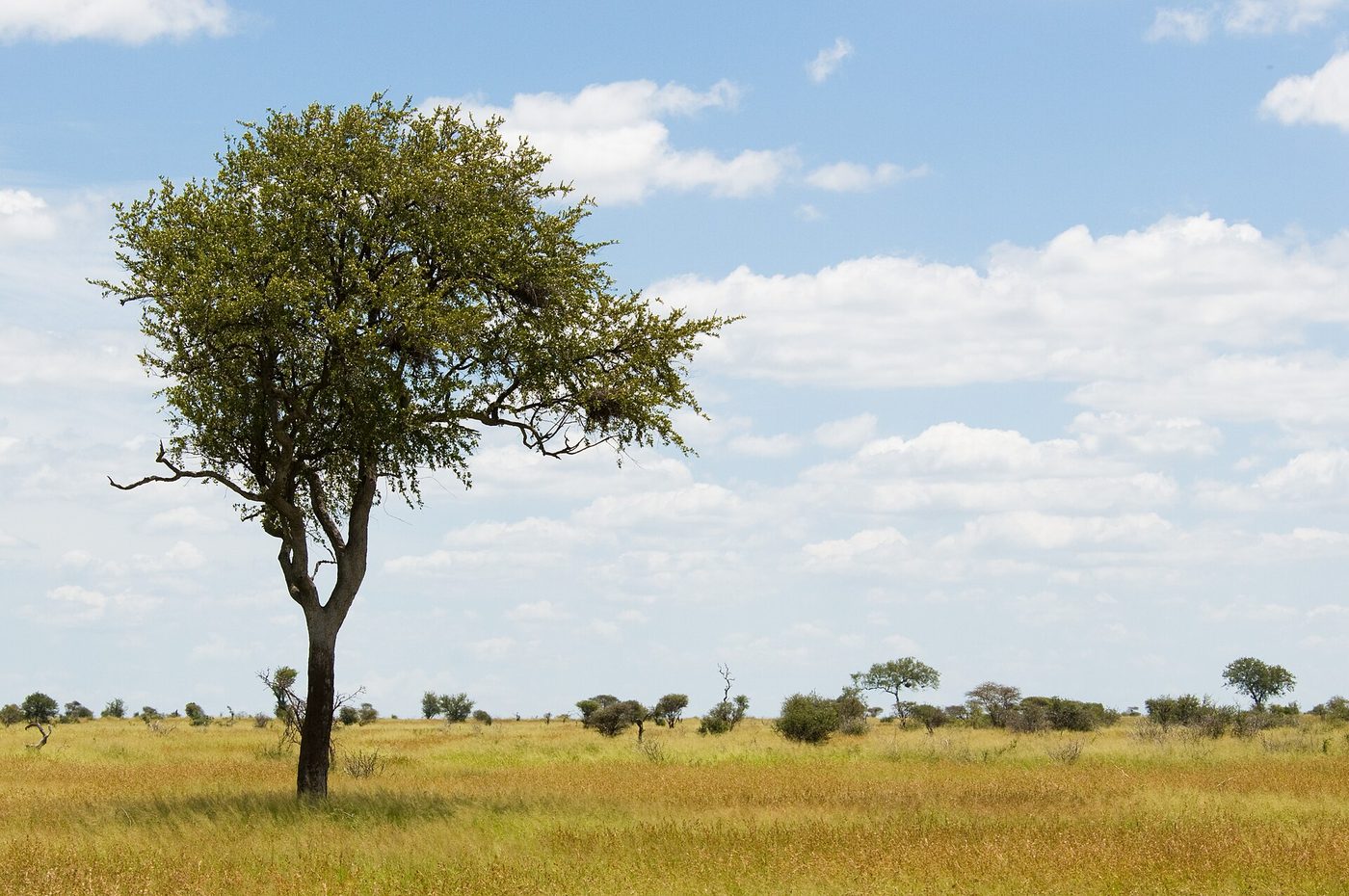
Kruger is a park you drive yourself, in a hire car, on tarred and gravel roads and without a guide, and you sleep in the camps inside the gates. Entry is paid per person for every single day in the park, so the plan is built like a proper trip. It needs a set number of days, the camps you want and the gate you enter by.
The daily fee for a foreign adult is €32 for every day inside, and the gates and receptions take cards only. The annual Wild Card for foreigners costs €250 and covers every national park in the country. For Kruger alone it pays off only from the eighth day, so it is worth pricing when Cape Town, with Table Mountain and the peninsula, is also on the route.

You drive yourself, and the rules are enforced with fines. The limit is 50 km/h on tarred roads and 40 on gravel, with speed traps and regular patrols, and you may leave the car only at marked places. You must be in camp or out through the gate before closing, because arriving late brings a fine and a second offence a permanent ban from SANParks parks. The gates open at dawn and close at dusk, so the hours shift from month to month. An ordinary car is enough for the main road network.
Night drives and bush walks are the only two things you do not do alone here, since both are led by SANParks guides and booked at camp reception. The private reserves along the western boundary, Sabi Sand and Timbavati, have had no fence with Kruger since 1993, so the animals cross freely between them. The real choice is between your own car and a camp, or a private lodge and a guide.
Check the same room on both sites: price and cancellation terms can differ.
Timed-entry tickets and guided tours in one place.
Both sites fill in your nearest airport for you; change it in one click.
Guides for Kruger
Shorter, practical pages for one concrete question each — how many days, how much money, where to sleep, where to escape the city.

What to see in Kruger
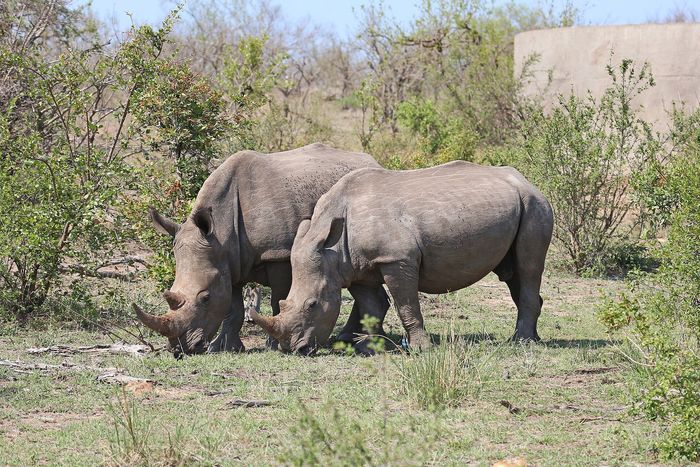
The south, around Skukuza
Skukuza is the largest camp and the park's headquarters, on the Sabie river, with a shop, restaurants, pools, a golf course and an airport, which makes it the simplest base for a first visit.
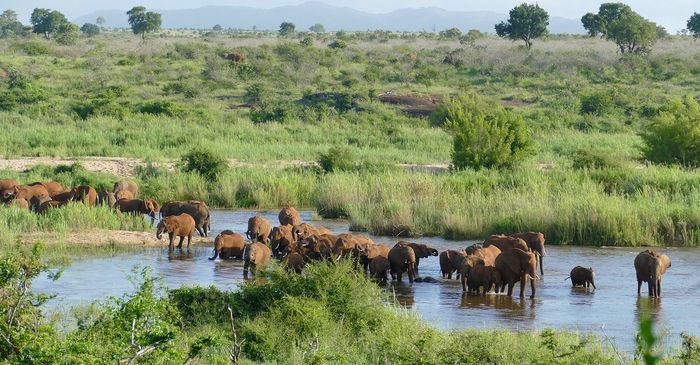
The centre, around Satara
The open basalt plains east of Satara feed big herds of zebra, wildebeest and impala, and the lions follow them, so this is where their density in the park is highest.
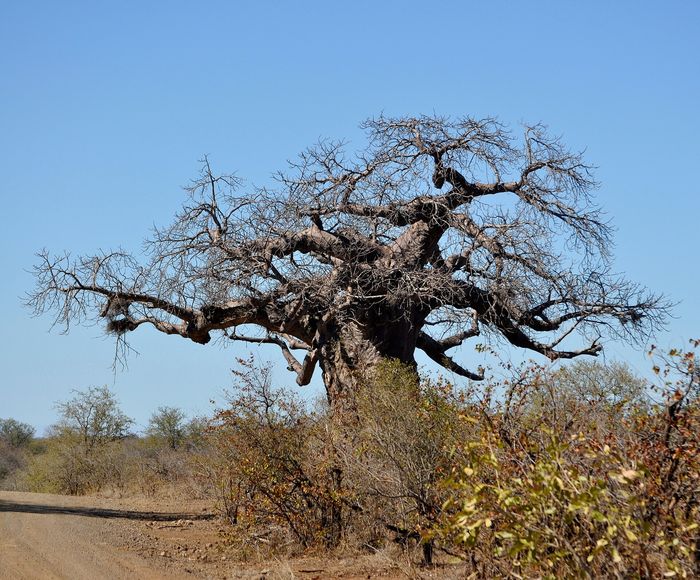
The north, around Punda Maria
The Olifants river splits the park into two ecological zones, and north of it mopane scrub covers almost the entire north-east. You come here once the south has been seen, if the days allow.
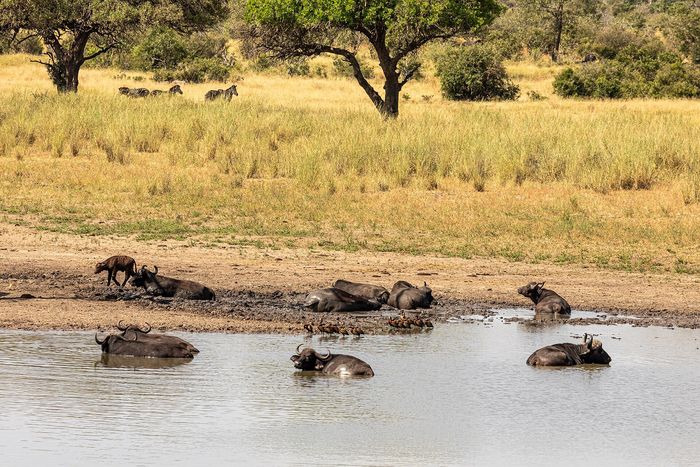
Sabi Sand and Timbavati
Private reserves along the western boundary, unfenced from Kruger since 1993. You sleep in private lodges, and they are the answer when the camps inside the park are full.
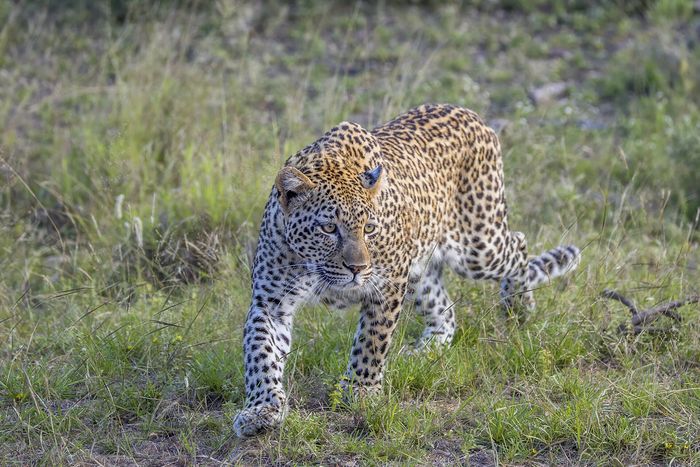
A night drive from camp
Two to three hours after sunset in an open vehicle with a spotlight, and the one way to be out in the park once the gates have closed. It is booked at camp reception.
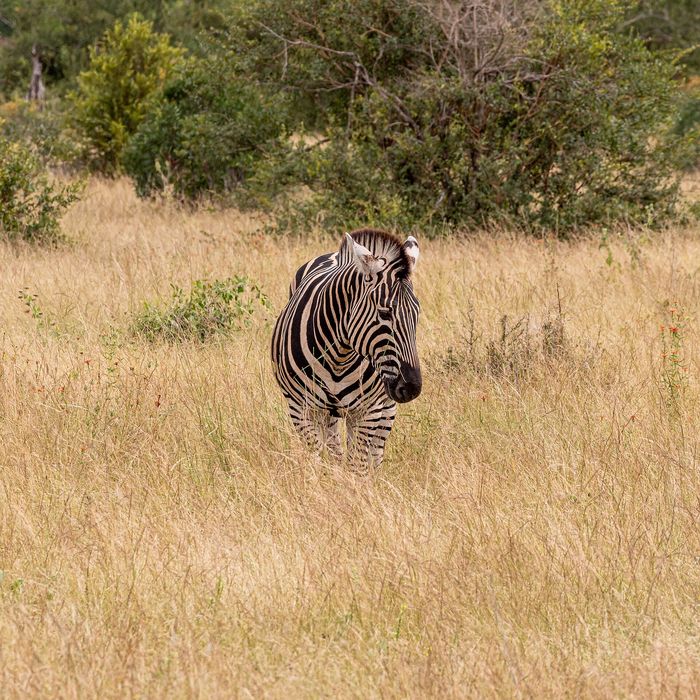
A guided walk
A walk from camp with two armed guides, booked at reception like the night drive, and the only way to be on foot in the park outside a camp fence.


Nomadinho scores out of 100, the same ones behind “Where to go”.
If you like Kruger
Three places with the closest scores, from any country.


Two things you probably did not know
Kruger is about the size of Israel, two million hectares with over seven hundred kilometres of tarred roads. You can drive through it in your own car without a guide, which is rare in Africa.
Around twenty thousand elephants live in the park, and one adult eats up to a hundred and fifty kilograms of plants and drinks two hundred litres of water a day. Their numbers are watched and capped. Too many elephants turn woodland into savannah.
Before you go
Short answers to what people ask most before setting out.
How many days do you need in Kruger?
Three days. With less, a whole day goes on arriving and leaving. Entry is paid per person for every day inside the park, so the number of days is worth settling before you book the camps.
When is the best time to visit Kruger?
The dry winter, June to August, for sightings, and August and September in particular, when the grass is low and animals gather at a few waterholes. Summer, from November to March, is wet and green.
Can you drive yourself around Kruger?
Yes, in an ordinary hire car on the main road network. The limit is 50 km/h on tar and 40 on gravel, and you must be in camp or out of the gate before closing, because lateness brings a fine.
Ready for Kruger?
Within reach from here
Places sorted by straight-line distance from Kruger — day trips or weekends.


All 292 places we write about sit on one page — narrow them down by continent, country, price or what you are travelling for.
Guides that mention it

Within reach from here: Johannesburg, Fish River Canyon and Windhoek
See how much of that actually suits you — or pin Kruger if you have been.
Front row for the next trip
Leave your email and we'll let you know when a new destination or story goes up.