

Auschwitz-Birkenau: Which Ticket, Which Tour and What You See in Order
Entry is free, and the pass is chosen and booked in advance
- Time slot
- Compulsory
- Takes
- 3 h 30 with an educator
- Closed
- 1 Jan, Easter Sunday, 25 Dec
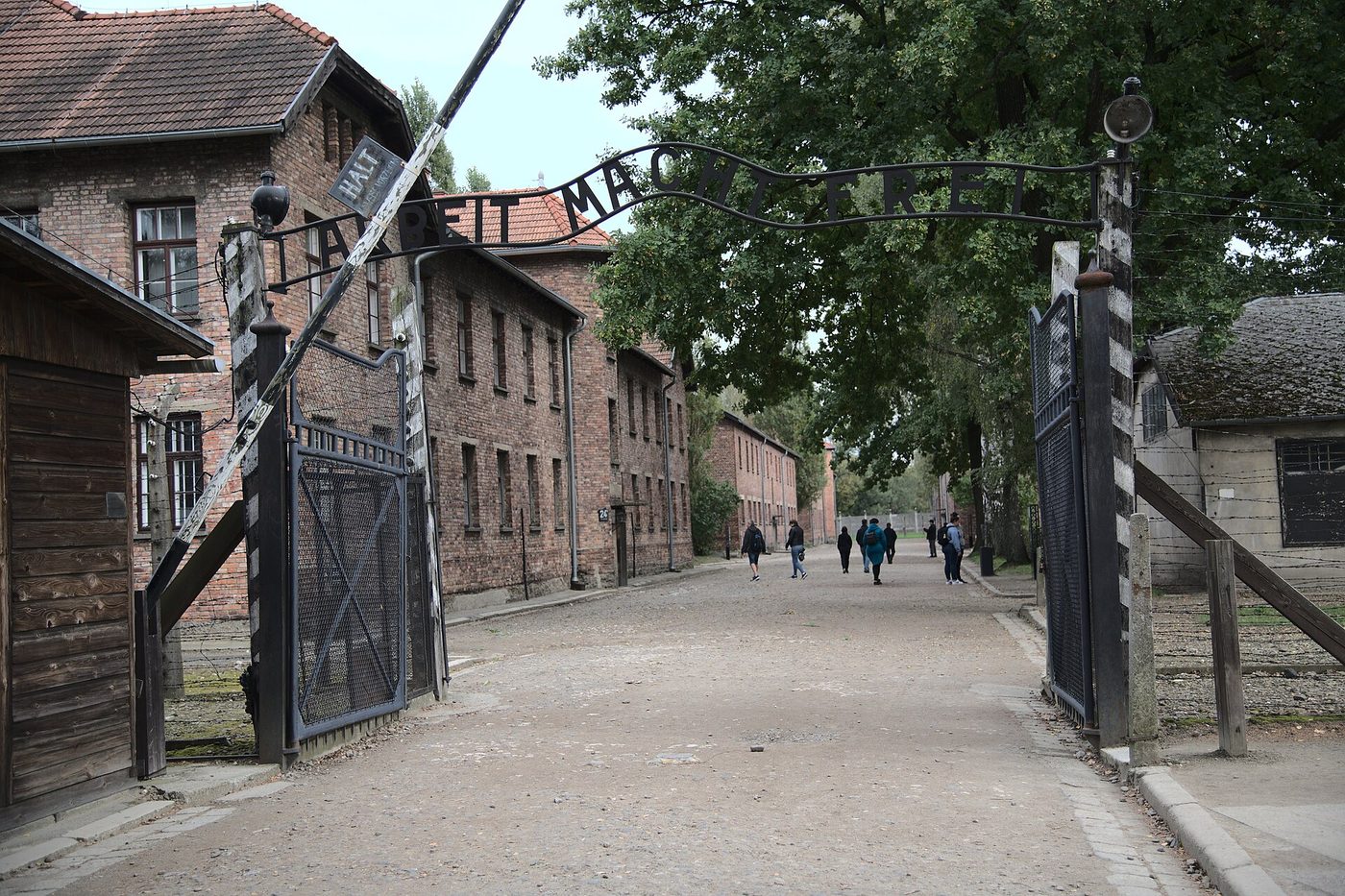
Entry to Auschwitz-Birkenau is free, and the pass is still not optional. It is booked online only, in your name, at visit.auschwitz.org, and none are issued at the gate. The real choice is between that free pass, which admits you only in the afternoon, and a paid tour with an educator, which admits you from the morning.
Which ticket for Auschwitz: the free pass or a tour with an educator
Two different things are called a ticket here, and keeping them apart removes most of the confusion. The pass is free and opens the grounds. A tour is paid, comes with an educator and headsets, and is booked at the same website, where the current price is shown. The general tour of both camps, with the museum shuttle between them, takes about 3 h 30 and costs €34.55. The study tour lasts roughly six hours and costs €43.76, with morning starts at 9:00 in Polish, 9:15 in German and 9:30 in English. Neither the pass nor the museum's own tours are sold by partners. What Tiqets and GetYourGuide sell is a package with transport from Krakow.
The pass without an educator is the free route, and it carries one condition: you enter only after a certain hour, which depends on the month. In the morning the grounds open to educator-led groups alone. Anyone arriving from Krakow with the morning ahead of them therefore takes a tour, and anyone coming later in the day can use the pass. In summer the free pass opens late, and the recommended 90 minutes in each camp then fills the evening, so from spring to autumn the educator is the safer choice. Reduced tour prices exist for pupils and students up to 26, people over 75 and visitors with a disability, with ID.
Entry to the site is free, but the pass is not optional: nobody gets in without one, and none are issued at the gate. Reduced tour prices exist for pupils and students up to 26, people over 75 and visitors with a disability, with ID.
On your own
- Entry
- free, time slot compulsory
- Tour
- with an educator, about 3.5 h
With a guide
- transport arranged
- a guide on site
- costs more than going alone
When to come and how you get in
Arrive at least 30 minutes before your time. Security works like an airport screening. Larger luggage stays in the vehicle or goes to the museum's paid cloakroom, and a bag carried inside may measure no more than 35 × 25 × 15 cm. Take the ID that matches the name on the pass. Booking window: up to 90 days ahead; the slot for the last bookable day is released at noon.
The site admits visitors from early morning, and the last entry moves with the season: entry from 7:30am, last entry 2–7pm. Once inside you may stay 90 more minutes after the last entry. Plan around the closed days: 1 Jan, Easter Sunday, 25 Dec. Some sections are closed at times, and the museum's website lists which ones before you set out.
Auschwitz I, in the order the route runs
The visit begins in Auschwitz I, the brick barracks in Oświęcim that serve as the museum entrance, and the general tour starts here as well. The permanent exhibition runs through the blocks, and one way through them goes like this. Block 4 deals with the destruction, Block 5 shows the evidence left behind, and Blocks 6 and 7 describe the conditions of life. Block 11, the camp prison, comes next, with the Death Wall in its courtyard, which some sources call the Black Wall. The route ends at the first crematorium, which stands in the camp. Exhibitions are rearranged from time to time, so treat this as one order and not an official plan.
The museum recommends at least 90 minutes for Auschwitz I. Each participant on a tour gets a headset, and groups larger than ten must use the headset system. The courtyard of Block 11 is a zone of silence.
The open site and the shuttle
Birkenau lies about 3.5 km from Auschwitz I. The free museum shuttle runs between the two camps and is intended for visitors on guided tours. The museum recommends the same 90 minutes here as in the first camp.
Most of Birkenau is open ground, and the weather decides how the hours feel: wind, rain or sun with very little cover, so dress for the day and not for the city. The railway line ends at the International Monument to the Victims, which stands between the ruins of crematoria II and III. Most of the buildings were left as they were, and the size of the site is what you take in first.

What you can bring and how to behave inside
The rules are short and apply to every visitor, whichever pass or tour you hold.
- Bags: nothing larger than 35 × 25 × 15 cm goes inside; bigger luggage waits in the vehicle or in the paid cloakroom.
- Photography is allowed without flash or tripod, and it is forbidden in Block 4, room 5, and in the basement of Block 11.
- Food, alcohol and smoking are banned, dogs are admitted only as guide dogs, and a drone needs permission.
- The museum does not recommend the visit to children under 14, and the courtyard of Block 11 is kept silent.

Where to next

Wieliczka Salt Mine: Ticket, Getting There From Kraków and the Route
→Twenty minutes by train, 135 metres down and one way back, by lift

Zakopane · 85 km
→The only real mountains Poland has, and the town that lives off them

How well does Kraków suit you?
→Six questions: a score for this place and others like it.
Nomadinho scores out of 100, the same ones behind “Where to go”.
If you like Kraków
Three places with the closest scores, from any country.


Before you go
Short answers to what people ask most before setting out.
If entry is free, why is a pass compulsory?
The pass is how entry is organised. It is tied to a time slot and a name, it is issued online only, and nobody enters without it. The cost sits with the tours, which are paid, while the entry itself costs nothing.
Can you enter Auschwitz without an educator in the morning?
No. Before the afternoon hour the grounds admit only groups with an educator, and the free pass starts later. Hours by month: Jan and Nov from 2 pm, Feb from 3 pm, Mar and Oct from 4 pm, Apr–Sep from 5 pm, Dec from 1 pm.
Is a package from Krakow worth it, or is it better on your own?
A package solves transport and the return trip, not the ticket, because entry is free. Packages with transport take 7 to 9 hours, and the visit alone, if you get there yourself, takes 3.5 to 4 hours. Anyone with a car or a train ticket goes on their own, and a reseller saves nothing at the gate. The package suits those who prefer not to arrange the road from Krakow.
Ready for Kraków?
Front row for the next trip
Leave your email and we'll let you know when a new destination or story goes up.