

Rio de Janeiro
A city whose two great viewpoints look at each other — and you go up whichever one is clear that day
- When to go
- October 23° · 16 rainy days
- Per day
- €€€price 3 of 5
- How many days
- 4days
- For you
- 6 questions →
- Nearest airport
- 2 km Rio de Janeiro · 13 km Rio de Janeiro
- Right now

Rio has two viewpoints that look at each other — Corcovado with the statue, and Sugarloaf — and both share one flaw: in cloud you see nothing and the ticket is not refunded. So both are kept in reserve for a clear morning, and the plan is built around beaches and districts.
The ticket to the statue includes the transport, which is what confuses people about the price: the cog railway from Cosme Velho is €22, the van from Copacabana €22, and the van from Paineiras — reachable by public transport or taxi — €15. Same summit, same photograph, and Paineiras is noticeably cheaper. Sugarloaf has its own cable car, €34 for a foreign visitor, and a different view: from it you see the statue, from the statue you see it.
The metro is clean, safe and covers what a visitor needs: Copacabana, Ipanema, the centre and the Maracanã. A ride is €1.33 and the card is topped up at the station. What the metro does not reach, a ride app does; flagging a taxi in the street is not done here, and the buses are for locals who know the routes.
The beach here is public space rather than a resort, and it has rules. You take nothing to it that would hurt to lose: phone, documents and cards stay in the room, and you carry the cash you need for a chair, a coconut and a beer. Vendors pass every few minutes and that is normal. Loungers and umbrellas are hired from a stand and paid for at the end, not up front.
Guides for Rio de Janeiro
Shorter, practical pages for one concrete question each — how many days, how much money, where to sleep, where to escape the city.

Rio de Janeiro in 3 days
→Three days in which the viewpoints are not booked but waited for — in cloud Corcovado shows you nothing and the ticket…

Day trips from Rio de Janeiro
→Five trips from Rio, from an imperial summer palace in the mountains to a colonial port the tide deliberately floods.

Where to stay in Rio de Janeiro
→Copacabana, Ipanema and Leblon, Santa Teresa or Botafogo — the district changes the price, the quiet, and how often you…

What Rio de Janeiro costs
→Rio is cheap until Carnival — and expensive exactly where you are paying for a view rather than for what you get.
What to see in Rio de Janeiro
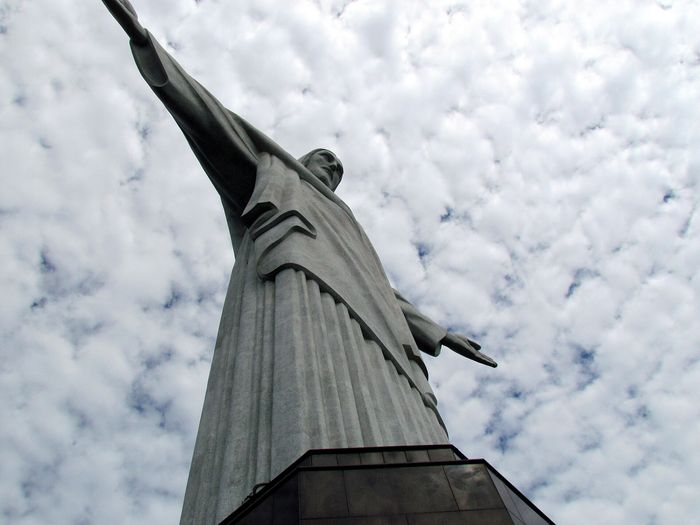
Christ the Redeemer
Thirty metres of statue at 710 metres of altitude, opened in 1931. The ticket includes transport, and the price depends only on where you climb from — the Paineiras van is noticeably cheaper than the train from Cosme Velho or the van from Copacabana.
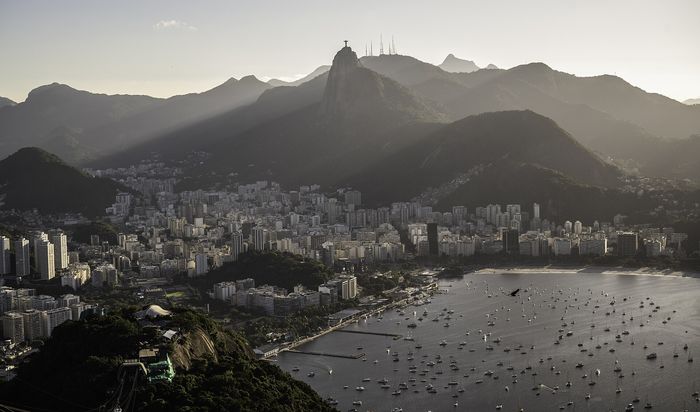
Sugarloaf
Two cable cars and two summits; the first to Morro da Urca, the second to the top. Go before sunset, when one view holds both the day and the lit city. Buy ahead; the queue peaks around five.
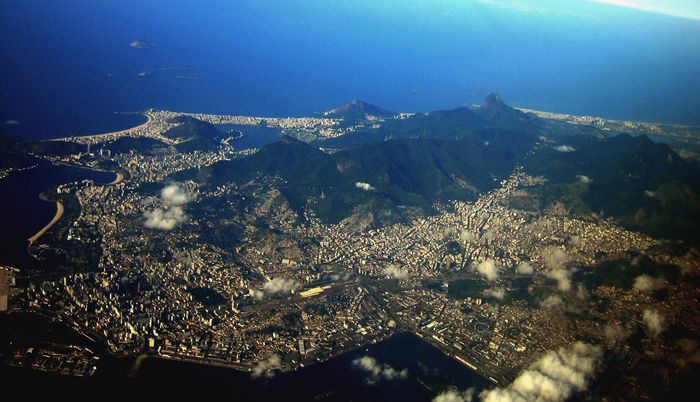
Copacabana and Ipanema
Two beaches, two different cities. Copacabana is longer, louder and busier with vendors; Ipanema is calmer and dearer, and the sunset from the Arpoador rock gets a round of applause from the whole beach. The postos — numbered lifeguard stations — are the local address system.
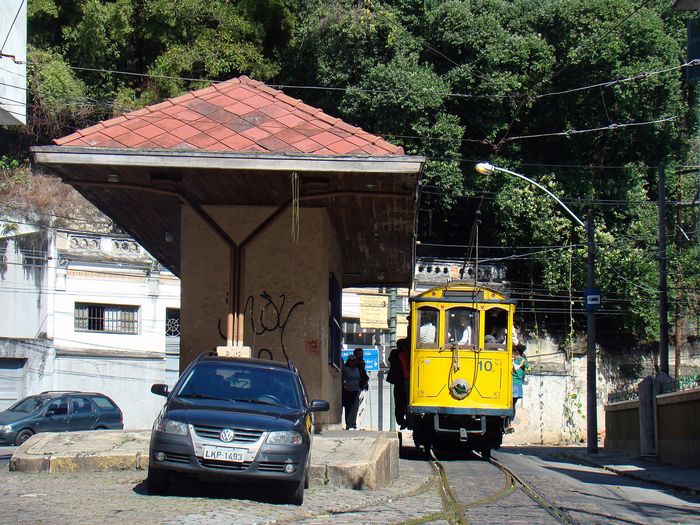
Santa Teresa and Lapa
A hill of colonial houses with a tram that climbs over the Lapa arches, and the quarter beneath it that works after dark. The Escadaria Selarón, a staircase tiled with pieces from sixty countries, sits between them.
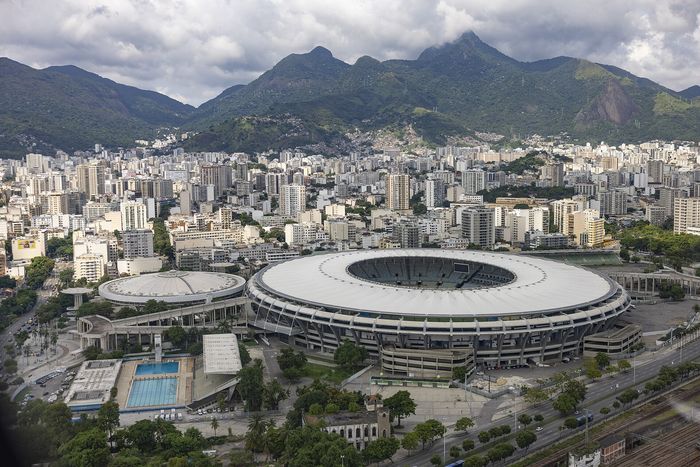
The Maracanã
The stadium that held close to two hundred thousand people for the 1950 World Cup final. It holds sixty-five thousand now. A match beats a tour; Flamengo and Fluminense are the permanent tenants, while Vasco and Botafogo play only their biggest fixtures here and otherwise have their own stadiums.
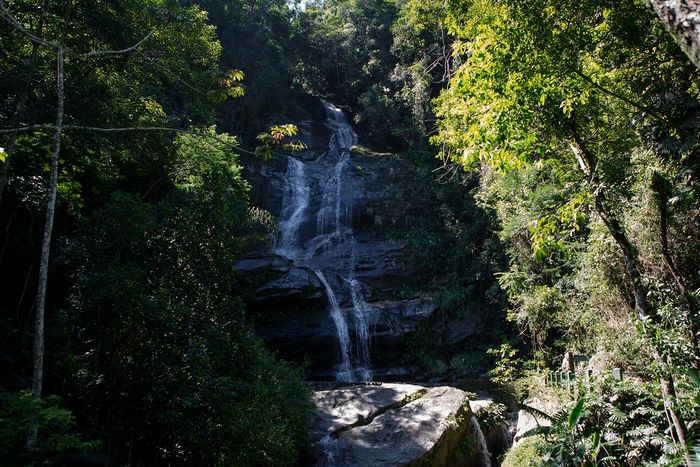
Tijuca
One of the largest urban forests in the world, replanted by hand in the nineteenth century after coffee destroyed the original. Pedra Bonita and Pedra da Gávea are walks that give you what the viewpoints charge for.


Two things you probably did not know
Rio de Janeiro means river of January, and there is no river. The Portuguese sailed into Guanabara Bay in January 1502 and took it for a river mouth. The name stuck even though the mistake was corrected within months.
The Selaron Steps were tiled by the Chilean painter Jorge Selaron over twenty-three years, until his death in 2013. The 215 steps carry tiles from over sixty countries, mostly sent to him by people who had passed by.
Ready for Rio de Janeiro?
Within reach from here
Places sorted by straight-line distance from Rio de Janeiro — day trips or weekends.

Brazil
→A country where the flight between two cities is often cheaper, and always faster, than the overnight coach

Argentina
→A country 3,700 kilometres long, where the far south is seen in December and the whales and the snow in August

Portugal
→A country that spent centuries looking at the ocean instead of the Europe behind it
All 277 places we write about sit on one page — narrow them down by continent, country, price or what you are travelling for.

Within reach from here: São Paulo, Foz do Iguaçu and Salvador
See how much of that actually suits you — or pin Rio de Janeiro if you have been.
Front row for the next trip
Leave your email and we'll let you know when a new destination or story goes up.