

Salvador
Brazil's first capital, split into an upper and a lower city joined by an 1873 lift and a thirty-second ride
- When to go
- October 26° · 16 rainy days
- Per day
- €€price 2 of 5
- How many days
- 3days
- For you
- 6 questions →
- Nearest airport
- 20 km Salvador
- Right now

Salvador was Brazil's capital for two hundred and fifteen years and the main slave port in the Americas, and both facts are still visible on the street. This is where the African half of Brazilian identity sits closest to the surface: in the food, in candomblé, in a capoeira that is not a show.
The city is physically split into two levels seventy metres apart. The upper city is Pelourinho — the colonial core of churches and cobbles, UNESCO-listed since 1985. The lower is the port and the Mercado Modelo. Between them runs the Lacerda, a public lift from 1873 that takes thirty seconds and costs €0.17. It is the fastest way to understand how the city is arranged.

Pelourinho is beautiful and touristy at once, and it is named after the whipping post that stood in its square. A visit does not skip that. Go by day, with a guide if you go deep into the lanes, and stay in the lit squares in the evening where the music is — on Tuesdays it is Terça da Bênção, when the whole quarter comes outside, and that is a local habit rather than a performance for visitors.
The food is why many people stay longer than they planned. Acarajé is a black-eyed pea fritter fried in palm oil, filled with shrimp and chilli, sold by women in white on the corners — a dish that came out of candomblé and onto the street. Moqueca is a fish stew with palm oil and coconut milk, cooked in a clay pot. Neither resembles the rest of Brazilian cooking.
Guides for Salvador
Shorter, practical pages for one concrete question each — how many days, how much money, where to sleep, where to escape the city.

Salvador in 2 days
→Two days by level — Pelourinho above, the port, Bonfim and the coast below — and a plan that works around a church shut…
What to see in Salvador
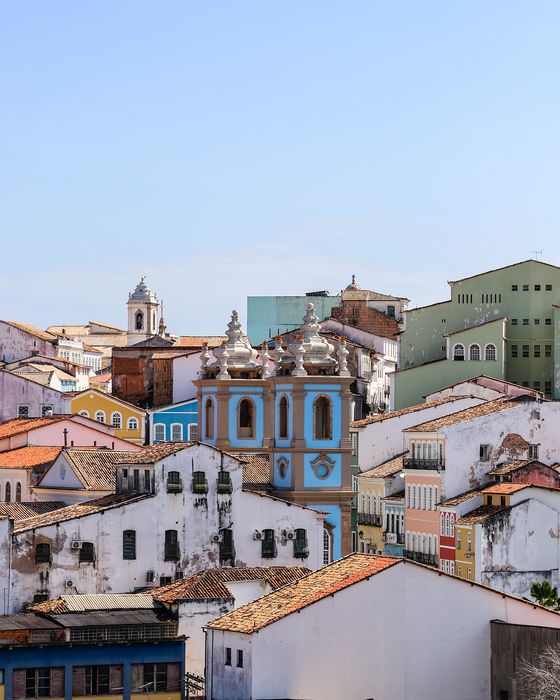
Pelourinho
The colonial core of pastel houses and the oldest streets in the country. It is named after the post where slaves were whipped. Terça da Bênção on Tuesday evenings is the best time to arrive.
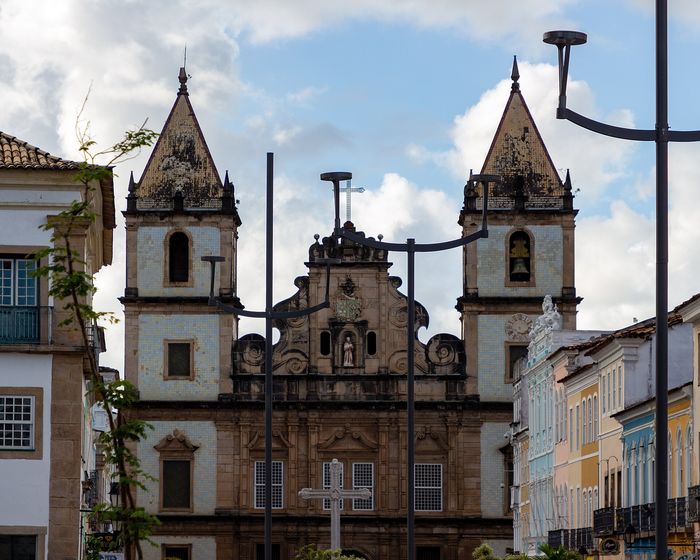
The church of São Francisco
A baroque church whose interior is carved wood covered in gold leaf — an estimated eight hundred kilograms of it. The men who built it were slaves, and they worked details into the carving that the clergy did not read. Closed since February 2025, after part of the ceiling collapsed and killed one person; IPHAN does not expect it to reopen before 2029, so it is seen from the outside.
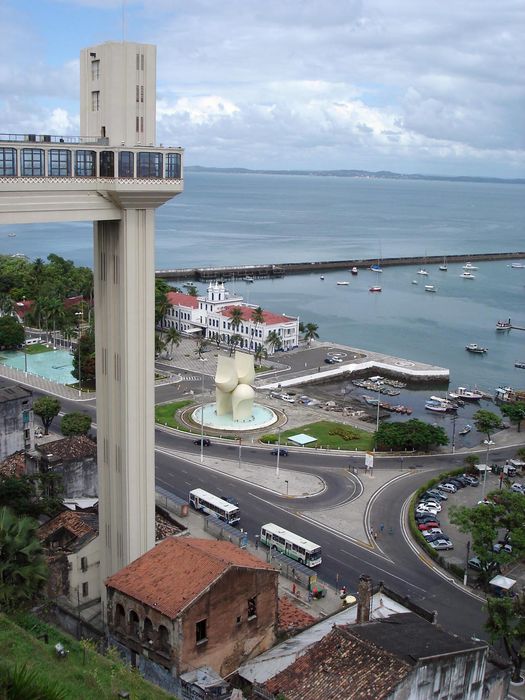
The Lacerda lift
A public lift from 1873, four cabins covering the seventy metres between the upper and lower city in thirty seconds. A ride costs €0.17 and it carries about twenty-eight thousand people a day.
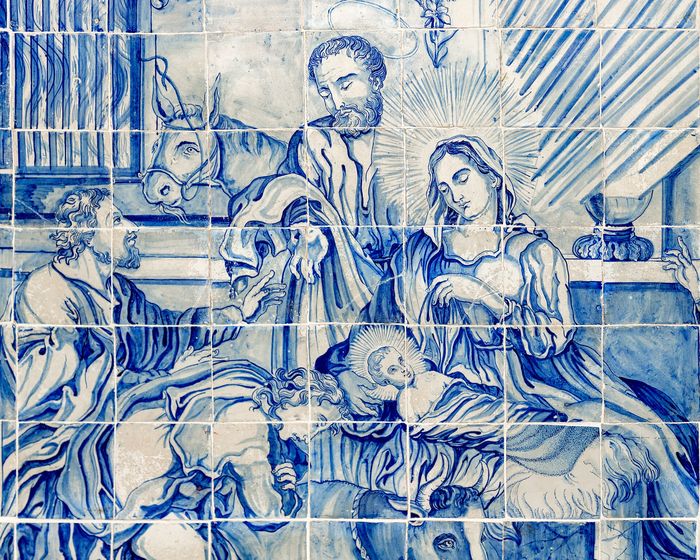
Bonfim
The church where the faithful tie coloured ribbons with three knots and three wishes. You do not cut them off — they have to fall by themselves. This is where Catholicism and candomblé overlap most openly.
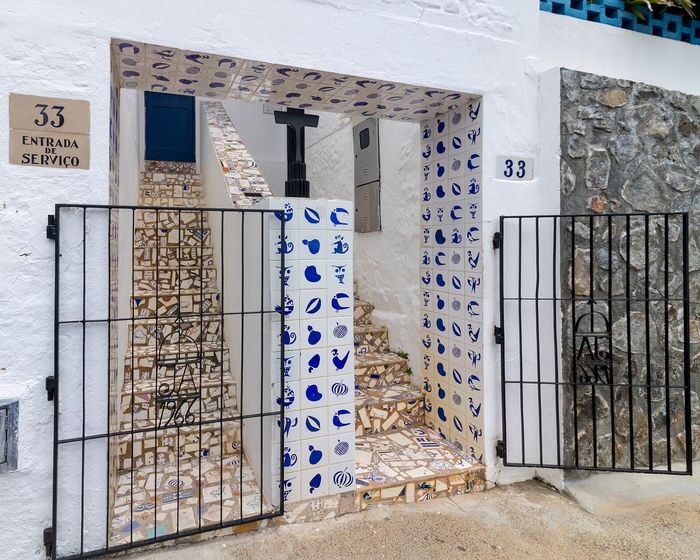
Rio Vermelho
A seafront quarter of pavement bars and the best acarajé stands in the city. This is where the evening goes when Pelourinho closes, and where people from Salvador eat.
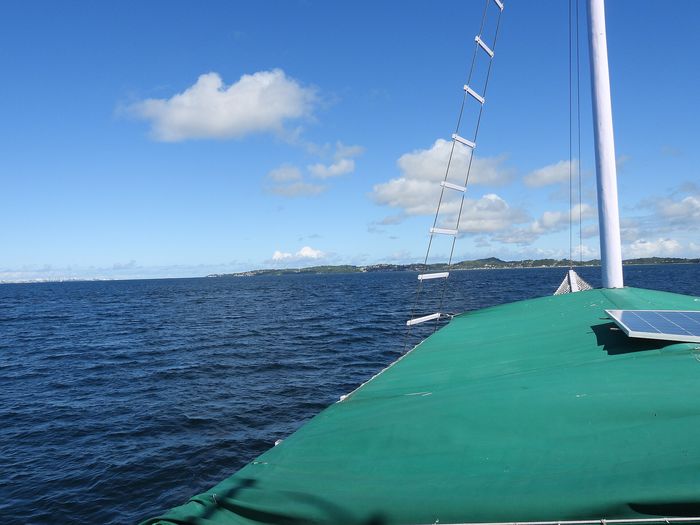
Itaparica and the Bay of All Saints
Brazil's third-largest bay by area, with fifty-six islands. The ferry to Itaparica takes fifty minutes and lands in a different rhythm — villages, beaches and not one hotel from a list.


Two things you probably did not know
The church of St Francis in Salvador is lined inside with woodcarving covered in gold leaf, several hundred kilograms of it. It is one of the most lavish baroque interiors in the Americas.
Capoeira grew among slaves in Bahia as a martial art disguised as a dance, so it could be practised in front of the masters. It was banned until 1940 and is now protected as Brazilian heritage.
Ready for Salvador?
Within reach from here
Places sorted by straight-line distance from Salvador — day trips or weekends.

Brazil
→A country where the flight between two cities is often cheaper, and always faster, than the overnight coach

Argentina
→A country 3,700 kilometres long, where the far south is seen in December and the whales and the snow in August

Portugal
→A country that spent centuries looking at the ocean instead of the Europe behind it
All 277 places we write about sit on one page — narrow them down by continent, country, price or what you are travelling for.
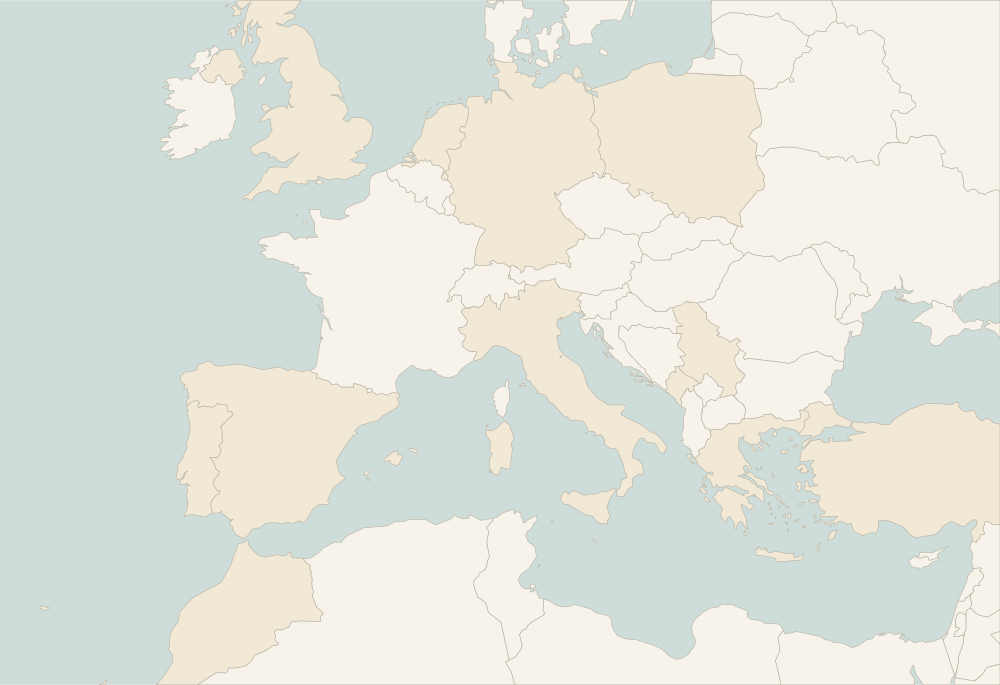
Within reach from here: Rio de Janeiro, São Paulo and Foz do Iguaçu
See how much of that actually suits you — or pin Salvador if you have been.
Front row for the next trip
Leave your email and we'll let you know when a new destination or story goes up.