

Easter in Rome: the Pope's Mass, what's open and the Monday escape
- Published
- 28 October 2026
- Reading
- 5 min read
- Where
- Rome, Italy
- Prices checked
- 28. Oct 2026.
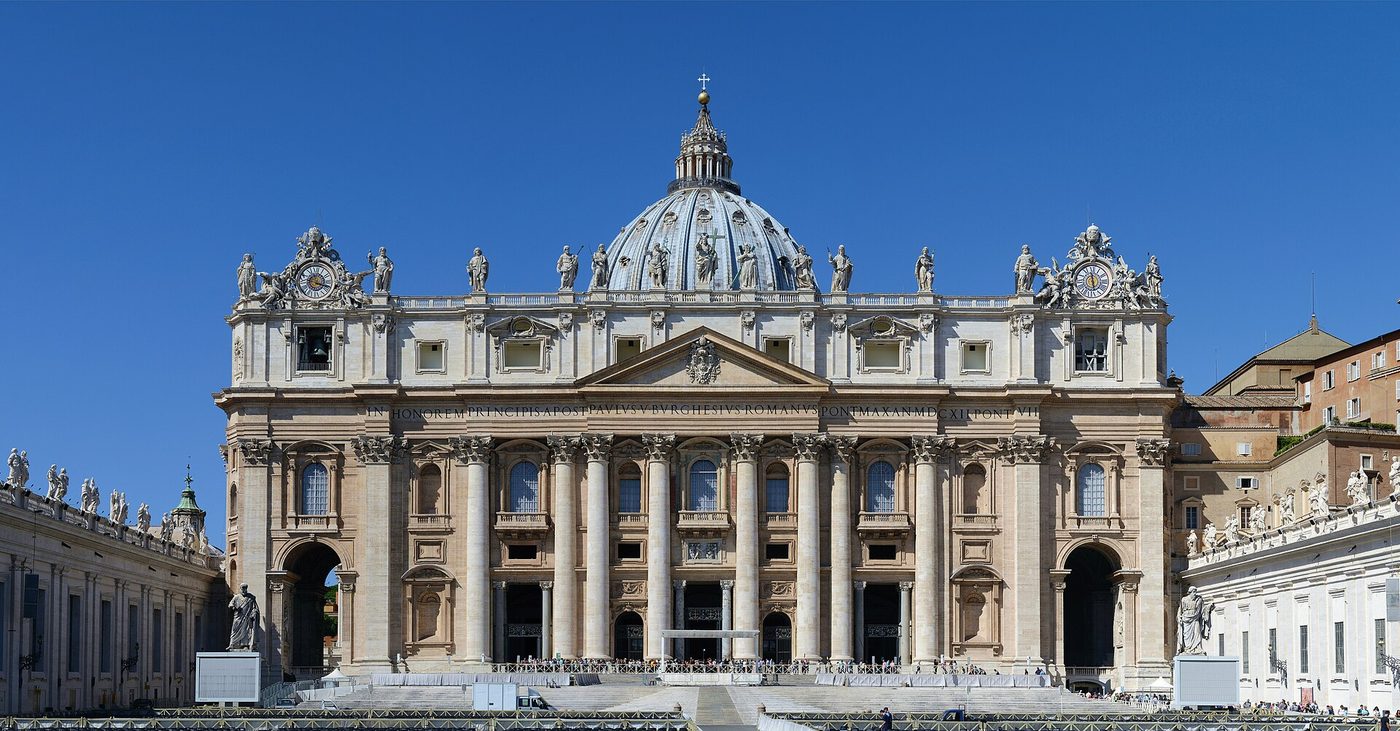
Easter in Rome is crowded rather than closed. This is how Holy Week runs, what the Pope's Mass asks of you, which sights open on Easter Monday and what Romans put on the table.
Rome at Easter is nothing like the empty city of the legend. The streets around the Vatican fill, restaurants take bookings for special menus, and Holy Week in Rome is built around a few big ceremonies that are free but need planning. In 2027 Easter Sunday falls on 28 March by calculation, with Palm Sunday on 21 March and Easter Monday on 29 March. The Vatican had not published the 2027 programme when this was written, so the hours below describe the 2026 edition and show the pattern of the week.
The week day by day
- Palm Sunday in St Peter's Square, starting 10 am, procession around the obelisk (2026 edition)
- Maundy Thursday: the Pope's Mass at the Basilica of St John Lateran in 2026.
- Good Friday, the Way of the Cross at the Colosseum, starting 9.15 pm (2026 edition)
- Holy Saturday, the Easter Vigil in the Basilica of St Peter, starting 9 pm (2026 edition)
- Easter Sunday, Mass in the square, starting 10.15 am (2026 edition) The Pope then gives the Urbi et Orbi blessing from the central balcony of the basilica.
The Pope's Easter Mass: free, but not simple
Tickets for papal Masses are free, requested from the Prefecture of the Papal Household, and the application goes through the Prefecture's own site. Apply there directly and never pay a middleman for something the Vatican gives away. Reports from 2026 say that people without a ticket often stood in the square too, only further back. A ticket does not promise a good place either, since everyone goes through a security check, the capacity is limited, and the square is a standing area. So the plan is to apply early and to arrive early.
Good Friday at the Colosseum
The Way of the Cross, Via Crucis al Colosseo in Italian, is held in the evening and follows 14 stations. In 2026 the Pope carried the cross himself through all of them. It is an event on the street, so expect traffic changes and security around the amphitheatre. Do not plan a visit inside the Colosseum for that day without checking its hours on colosseo.it first.
A ticket with a chosen time slot, booked ahead.
What is open and what is closed
The legend of a shut city comes from the ceremonies, not from the streets. During services the Basilica of St Peter stops receiving tourists, so the schedule on the day decides when the doors open for visitors. For the Vatican Museums, pick a day away from Easter itself, and book it ahead. Easter Monday is easier. In 2026 the Colosseum archaeological park was open, reservation required (2026 edition). The municipal museums were open at usual hours: Capitoline Museums, Ara Pacis, Centrale Montemartini, Palazzo Braschi (2026 edition). If the crowds around the Vatican are too much, the Domus Aurea or the Catacombs of Callixtus are good second plans, because both are away from the Mass.
A ticket with a chosen time slot, booked ahead.
A ticket with a chosen time slot, booked ahead.
What Romans eat at Easter
The Easter table here runs on lamb. Abbacchio a scottadito, grilled baby lamb chops eaten with the fingers, is the dish to look for. Breakfast is a different world, with pizza di Pasqua, a savoury cheese bread, served beside hard-boiled eggs and corallina salami. The sweet side is a colomba from a bakery. Many restaurants prepare a set Easter menu and take bookings for it, so reserve a table for the Sunday meal rather than counting on a walk-in.
The Roman day out
Easter Monday, Pasquetta, is a public holiday on which many Romans leave town for a gita fuori porta, a picnic or a barbecue in the countryside. If you stay in the city, the municipal museums and the Colosseum with a reservation are your options. If you leave with the locals, the day trips from Rome are the next page to read.
Where to sleep
Choose the area by what you came for: the Vatican side for the Mass, the centre for the Colosseum and the museums. The page on areas explains which part of Rome suits which kind of trip.


Apply for the Mass ticket early, spend Easter Monday in the museums or out of town, and book the Vatican Museums for another day.
Check the same room on both sites: price and cancellation terms can differ.
Italy, in brief
What now
If this sounds like your trip, start here.
Rome
→A city far too old to bother trying to impress you

Rome in 3 days
→Ancient Rome, the Vatican and the Baroque centre in three days that never cross paths, Colosseum at 8:30, the Sistine before the crowds.
Day trips from Rome
→Seven day trips from Rome by public transport — from an ancient port on a €1.50 metro-train to Naples in 70 minutes by high-speed rail (and Pompeii half an hour beyond).
Where to stay in Rome
→Six Roman neighbourhoods to sleep in, with the price for two in season and the one drawback listings leave out — plus the €6-a-night city tax on a B&B.

What Rome costs
→What Rome really costs per day in 2026 — from €90 with a hostel and pizza al taglio to €330 with a hotel in the centre — and where that €5 coffee comes from.

Rome off the postcard: a keyhole and a cannon at noon
→Ten things Rome doesn't put on postcards — a keyhole on the Aventine, a cannon at noon, a museum in a power station for €11 and a church with three floors underneath.
What to eat in Rome
→Roman cooking rests on four dishes and one rule — pecorino and guanciale, rarely cream or bacon — plus supplì to eat on the move.
The best time to visit Rome
→Rome has no sea to soften its summer, so July–August runs hot and dry; the best months sit either side of it, when a whole day outdoors is still comfortable.

Getting around Rome
→Rome has three metro lines and all three skirt the Baroque core — so the fastest way between the Pantheon, Navona and Trevi is still your own two feet.

Mistakes everyone makes in Rome
→Six mistakes that wreck more than a mood — from the Colosseum with no booking to sitting on the Spanish Steps.

The neighbourhoods of Rome
→Four Roman neighbourhoods where people work, study and live, so you will not sleep there, but each fills an afternoon.
Museums in Rome
→Of the seven museums on this page, three shut on Mondays, one on Sundays, and only two require a booked time slot rather than just recommend one.

From the airport to Rome
→Rome is entered through two airports some twenty kilometres apart — Fiumicino with a train into the centre and Ciampino with a bus — and each gets you into the city its own way.

Italy
→The cities on the high-speed line are an hour or two apart; the coast, Matera and the Tuscan hills lie off it

The Tuscany everyone photographs isn't in any town
→The Tuscany on the postcard has no name on the map and no entrance gate. It is a view from a road, so the real question is where you can stop the car.

Rome for a weekend: what we spent, and what we would change
→The bill from one October 2025 weekend in Rome, line by line: two people, two days, no luxuries, and the three decisions that would change it next time.

Pompeii and Herculaneum from Naples: what fits into one day
→Pompeii and Herculaneum are a train ride from Naples, while Vesuvius needs a transfer uphill, which is why the day so often gets overpacked.

Rome, Assisi and Val d'Orcia from this story
See which of them suits you, then pin what you have already done.
Front row for the next trip
Leave your email and we'll let you know when a new destination or story goes up.