

Rome for a weekend: what we spent, and what we would change
- Published
- 26 January 2026
- Reading
- 5 min read
- Where
- Rome, Italy
- Prices checked
- 14. Oct 2026.
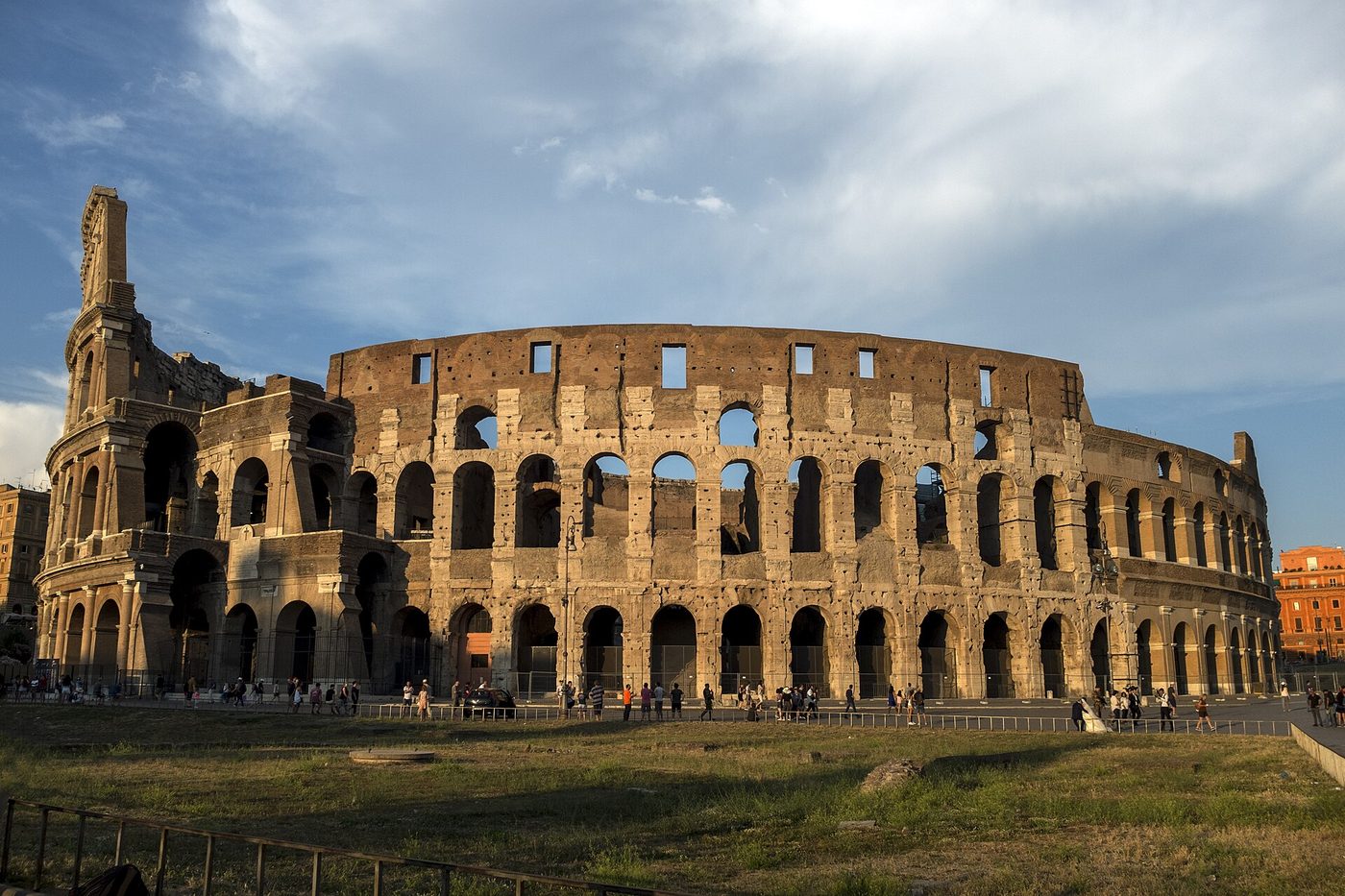
The bill from one October 2025 weekend in Rome, line by line: two people, two days, no luxuries, and the three decisions that would change it next time.
At half past ten on the third evening, on Campo de' Fiori, the weekend was over and the arithmetic began. The record covers a room, food, tickets and transport for two people, and it dates from October 2025, so it is a diary of prices rather than this year's price list. The total, flights excluded, closes the table further down.

Getting to Rome cheaply
The flight is the one line nobody can predict for you, because it depends on the city you leave from and the date you pick. A Friday evening and a Tuesday morning rarely cost the same, so booking early and shifting the trip by a day will save more than any bargain hunted down at the last minute.
Two airports serve the city. Fiumicino is the main one, 24 km from the centre as the crow flies, and Ciampino sits 12 km away by the same measure. From Fiumicino the Leonardo Express runs non-stop to Termini in 32 min and costs €14. The regional FL1 is cheaper at €8, but it never reaches Termini and ends at Trastevere and Ostiense, so it suits a room in Trastevere and few others. From Ciampino a Terravision bus to Termini costs €6 and takes 40 min, while the public bus to Anagnina, where metro line A begins, costs €1.20 and takes 14 min.
„The first day you go to see Rome. The second day you go to eat.“
— note from the road
Train
- Leonardo Express
- about €14, 32 min
- Regional train
- about €8
Private transfer
- a driver meets you at arrivals
- booked ahead, late flights too
- costs more than public transport

What we booked, and what we didn't
Two entries need a date, and both repay the effort. The Colosseum ticket was bought a month ahead at €18. Allow 75 min inside the arena; 2 h+ for the Forum and Palatine. The Vatican Museums were left to chance, and the price was a queue of an hour and a half. They sell timed slots online at €25. Peak days go weeks ahead, and the crowd is thickest from April to October, so an October date offers no shelter. The Pantheon and Trevi need no slot, which leaves day one easy to line up: the Colosseum in the first slot, lunch in Monti, the Pantheon and Trevi in the afternoon, dinner in Trastevere. The Vatican takes the second day, either first thing or after 14:00, when it calms down.
A ticket with a chosen time slot, booked ahead.
Where we slept
The room, two streets from Termini, was cheap and perfect for a late arrival, because the Leonardo Express ends right there. It worked less well for the evenings. Dinner at Da Enzo al 29, on Via dei Vascellari in Trastevere, a trattoria that takes no reservations and rewards the queue with carbonara and fried artichokes, meant about 40 minutes back across town. Termini is busy by day. Late at night it is where pickpockets and scammers look for people with suitcases, though the risk is theft rather than violence. Next time the room goes to Monti for a little more per night, with the Cavour stop of metro line B inside the quarter, the Colosseum about seven minutes on foot and Termini about ten. What the extra money buys is the walk home, past the fountain and the steps of Piazza della Madonna dei Monti.
Check the same room on both sites: price and cancellation terms can differ.

Do you even need a car
Not for Rome itself. The historic centre is made for walking, parking is a puzzle, and the rest is covered by bus, tram and metro. A single ticket valid for 100 minutes costs €1.50, and a 24-hour pass costs €8.50. From Trastevere, tram 8 reaches Largo Argentina in about ten minutes. A taxi from Fiumicino into the city only pays off with a full car: €55 (fixed, up to 4 people).

Our bill for that weekend
Two people, two days, no luxuries. The table lists the figures as they were paid in October 2025, with room, food, tickets and transport, and the flight is left out because it depends on where you start.
Since then three things have moved. Entry to the Pantheon now costs €7, and a visit takes 25–40 min. At the Trevi Fountain the square stays open to everyone, and the pool edge is the part that charges, so the line reads free · basin access €2. A city tax is added per person and night by hotel category, and a three-star adds €6, which belongs on the room line of any new budget.

The crowds at the Colosseum and Trevi are there in every month of the year, so no date buys an empty city. Two days cover about a third of Rome, and that is a fair share to see well, with Santa Prassede and its Byzantine mosaics in Monti as the free reward for the extra walk. The other two thirds are a reason to come back.
Italy, in brief
What now
If this sounds like your trip, start here.
- Buy the flight at least a month ahead and stay flexible with the date by a day or two.
- Book the Colosseum in advance — the rest can wait until you are there.
- From Fiumicino take the regional train (about €8) instead of the Leonardo Express (about €14), if fifteen minutes don't decide your day.

Italy
→The cities on the high-speed line are an hour or two apart; the coast, Matera and the Tuscan hills lie off it

The Tuscany everyone photographs isn't in any town
→The Tuscany on the postcard has no name on the map and no entrance gate. It is a view from a road, so the real question is where you can stop the car.

Pompeii and Herculaneum from Naples: what fits into one day
→Pompeii and Herculaneum are a train ride from Naples, while Vesuvius needs a transfer uphill, which is why the day so often gets overpacked.

A ticket for the Last Supper: how you actually get one
→Getting into the Last Supper comes down to the sales calendar, because tickets are released in waves and mostly sell out.
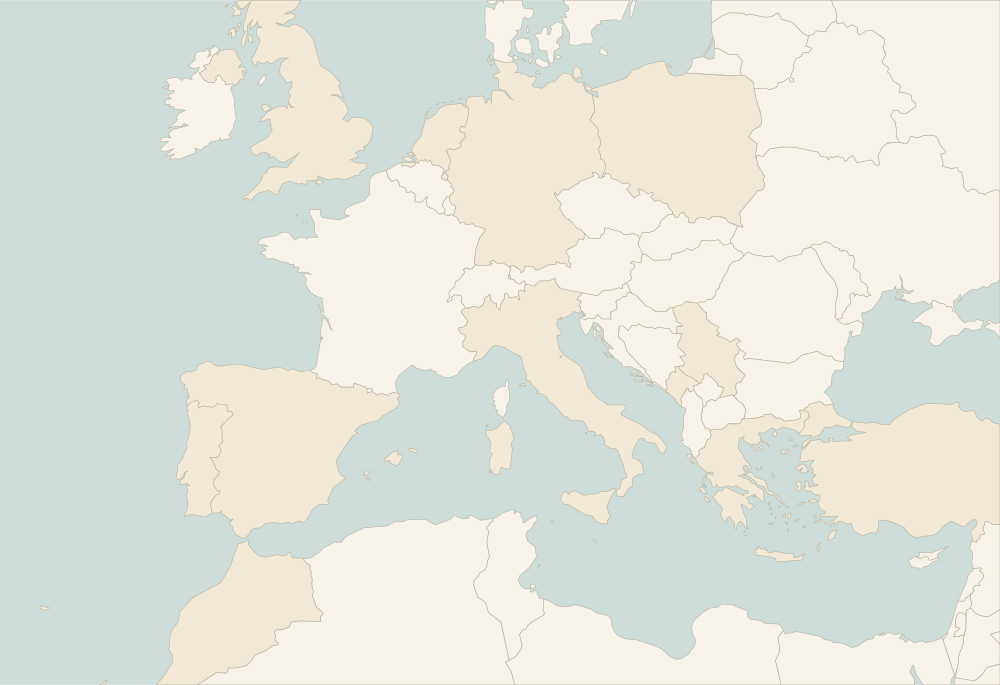
Rome, Assisi and Val d'Orcia from this story
See which of them suits you, then pin what you have already done.
Front row for the next trip
Leave your email and we'll let you know when a new destination or story goes up.