

The best time to visit Valencia
May, June and early September for sightseeing and the sea, August for the heat, March for Fallas, and autumn for the heaviest rain.
- Hottest month
- August, average high 30.6 °C
- Wettest months
- September 70 mm, October 63 mm
- Sunshine
- July 313 hours, December 158 hours
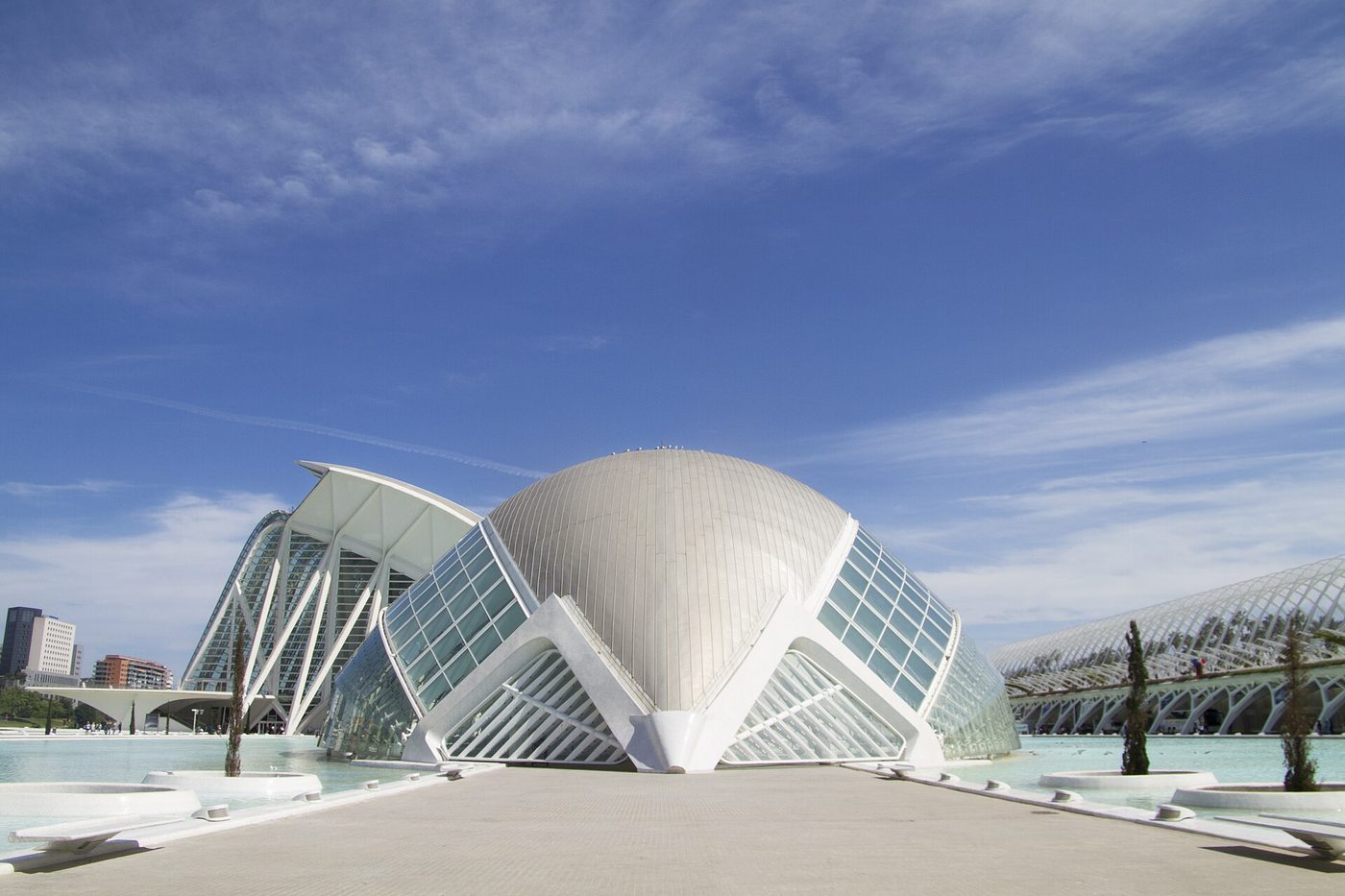
Valencia is chosen by reason for the trip. Walking the old town asks for a cooler day and the sea asks for a warmer one, while March is a different city altogether because of Fallas. The number that frames the choice is the average daily high, 30.6 °C in August against 24.0 °C in May.
Through the year
June is the safest single month. The 1991 to 2020 averages give a high of 27.5 °C, 26 mm of rain and 282 hours of sun, and the sea sits around 22 °C. It falls before the August heat and after Fallas, so museums and the sea both work and neither rain nor heat is at its worst.
From Fallas to May
March belongs to Fallas, with a mascletà every day from 1 to 19 March at 14.00 on the Plaça de l'Ajuntament. The plantà, when the figures go up, falls on 15 and 16 March, the Ofrenda on 17 and 18, and the cremà on 19 March, when the children's figures burn from 20.00, the large ones from 22.00 and the municipal one on the square at 23.00. The Crida opens the festival on the last Sunday of February, and rooms are booked months ahead.
April and May are the quieter spring. Highs reach 21.2 °C and 24.0 °C, rain amounts to 33 and 36 mm, and the sun shines 237 and 267 hours. The sea is about 14 °C in March, 16 in April and 18 in May, which is warm enough for walking and cold for swimming.
Check the same room on both sites: price and cancellation terms can differ.

Heat and the sea
Highs climb from 27.5 °C in June to 29.9 in July and 30.6 in August, and July is both the sunniest month at 313 hours and the driest at 7 mm. The sea warms from about 22 °C in June to 26 in August. The airport recorded 46.8 °C on 10 August 2023.
A red heat alert shows what that means in town. On 19 August 2026 the Serranos and Quart towers closed, Gulliver park in the Turia shut from 13.00, and the Devesa de El Saler in the Albufera park was closed. So the sensible day puts the Oceanogràfic and the museums in the middle hours, and the beach and the Turia at the start or the end.

Warm sea and the heaviest rain
September is still warm, with a high of 28.0 °C and a sea around 24, but it is also the wettest month at 70 mm. October brings 24.6 °C, a sea near 22 and 63 mm, and November 20.2 °C with 52 mm. The 9th of October is a regional holiday.
A cold drop, the DANA, caused the floods that hit the Valencian Community from 29 October 2024. In the city the southern districts took the worst of it: La Torre, Castellar-Oliveral and Horno de Alcedo. From September to November the AEMET warnings are worth following, and the Quart tower closes when it rains.

A mild January and the holidays
January is mild. The high is 16.8 °C, the low 7.5 °C, with 39 mm of rain and 174 hours of sun. The sea is about 13 to 14 °C in February, so there is no swimming, and December has the least sun at 158 hours.
Plan around the closed days: Good Friday and Easter Monday are holidays, and their dates change every year. The marathon runs in early December, starting and finishing beside the City of Arts and Sciences, and its places sell out well before race day. On Sundays and holidays the Lonja and the Serranos towers are free but open only from 10.00 to 14.00, and the Mercat Central is shut on Sundays.


Where to next
Getting around Valencia
→Metro from the airport in about twenty minutes, the old town on foot, the beach by tram and the Albufera lagoon by city bus 25.

Alicante · 126 km
→A city under a medieval castle, with a beach in the middle of town and rice for lunch

How well does Valencia suit you?
→Six questions: a score for this place and others like it.
Nomadinho scores out of 100, the same ones behind “Where to go”.
If you like Valencia
Three places with the closest scores, from any country.


Before you go
Short answers to what people ask most before setting out.
What is the best month to visit Valencia?
June, on the climate averages: a high of 27.5 °C, 26 mm of rain and 282 hours of sun, with the sea around 22 °C. May and early September follow close behind. Winter and March suit those who are not coming for the sea.
Is Fallas a good reason to go in March?
Yes, if you want crowds and noise. There is a mascletà every day from 1 March, the busiest days run from 15 to 19 March, and accommodation is booked months ahead. For a calmer visit choose the second half of April or May.
Can you swim in Valencia in October?
The sea is about 22 °C and the average high is 24.6 °C, but October also brings 63 mm of rain. The weather is not guaranteed, so read the forecast for the days you travel.
Ready for Valencia?
Front row for the next trip
Leave your email and we'll let you know when a new destination or story goes up.