

Évora
A walled town you do not drive in, in the middle of a plain without a single hill
- When to go
- November 14° · 8 rainy days
- Per day
- €€price 2 of 5
- How many days
- 2days
- For you
- 6 questions →
- Right now
Évora is the capital of the Alentejo, a province that covers a third of Portugal and is very thinly populated, a flat plain of cork oaks and empty roads. Summer afternoons regularly top forty degrees there, and the town sits inside its old walls, so you leave the car outside and walk in.
The UNESCO listing rests not on one building but on the fact that the town kept the shape it had in the fifteenth and sixteenth centuries, when the royal court sat here. The streets are narrow, the houses white with yellow trim, and everything fits into a twenty-minute walk.

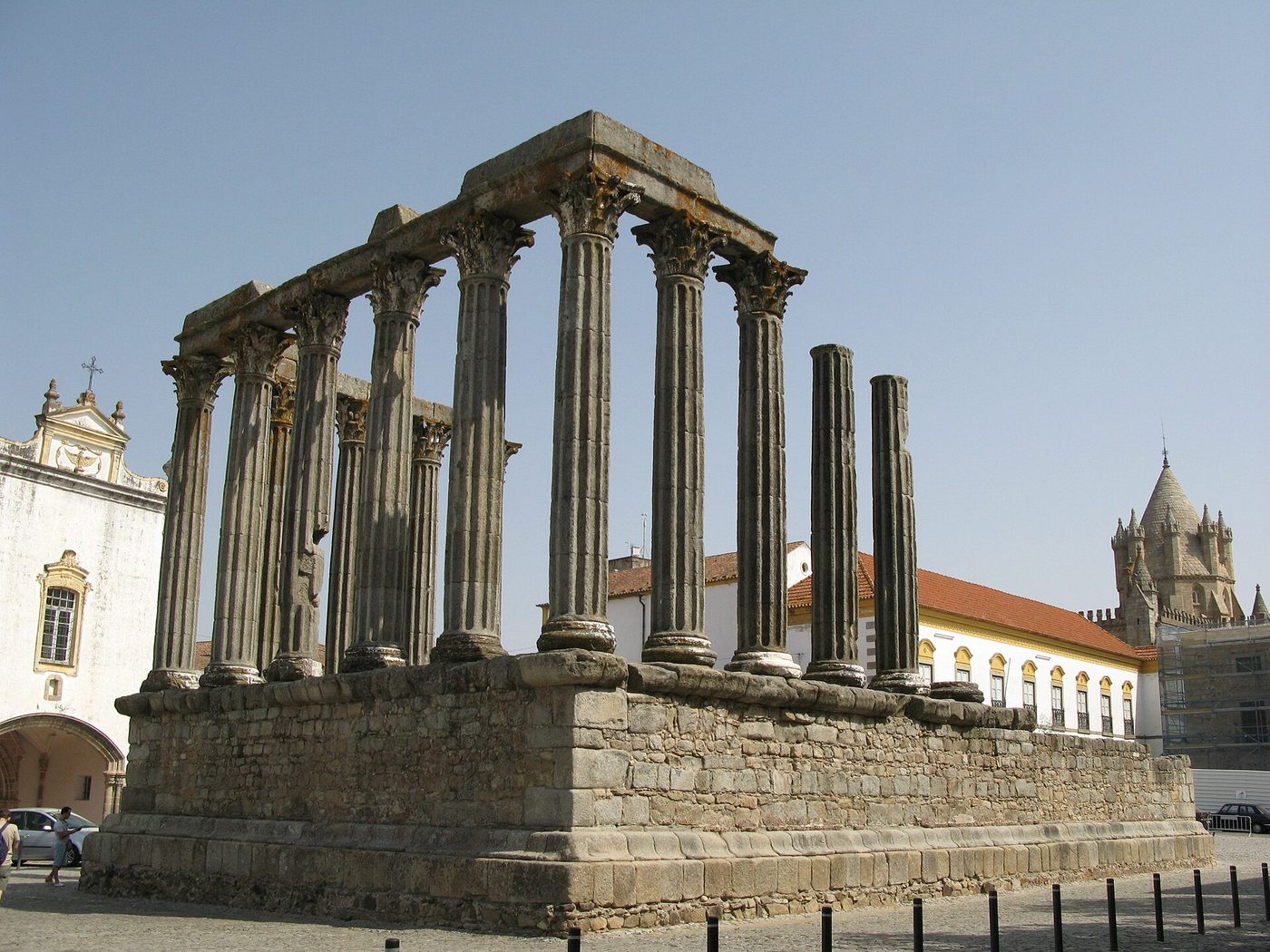
The first-century Roman temple stands on the highest point of the town and survived because it was walled into a butcher's shop for centuries. The walls came down only in the nineteenth century, which is why it has columns but no roof. Go in the evening, when it is lit.
The Alentejo is also a wine region that has come to rival the Douro by volume over the past twenty years, so if you have a second day, you can taste in the town itself or at estates half an hour away.
Check the same room on both sites: price and cancellation terms can differ.
Timed-entry tickets and guided tours in one place.
What to see in Évora
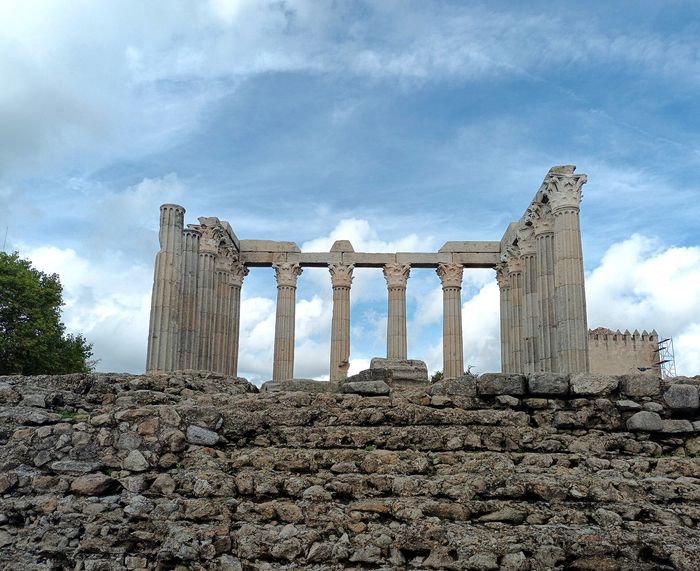
The Roman temple
First century, preserved because it spent centuries walled into a butcher's shop. Lit up in the evening.
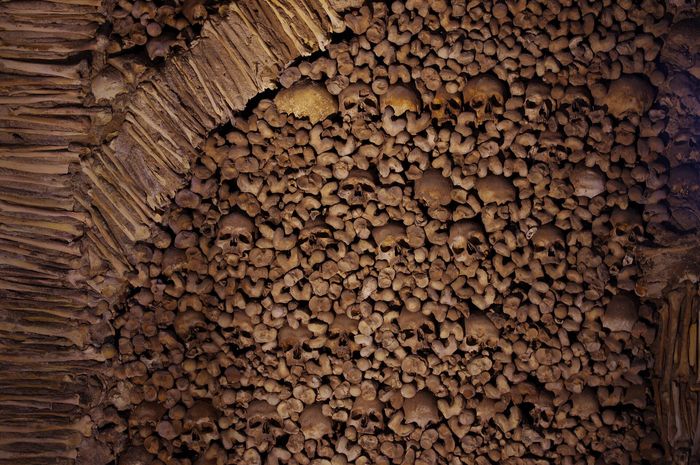
The Chapel of Bones
Walls lined with bones from the town cemeteries, inside the Church of St Francis. The inscription over the door reads: 'We bones that are here, for yours we wait.'
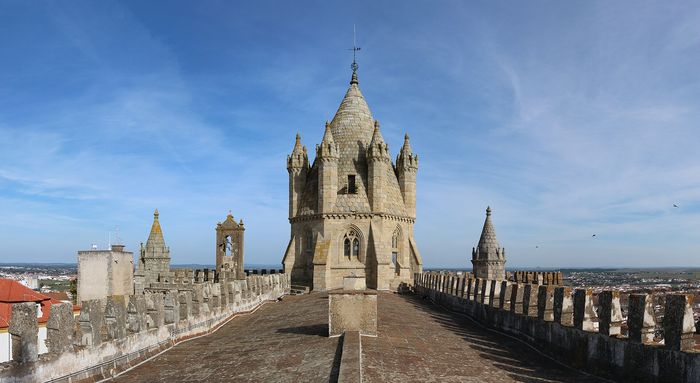
The cathedral roof
A thirteenth-century Gothic cathedral whose roof you can walk out onto, and from up there you see the whole Alentejo plain.
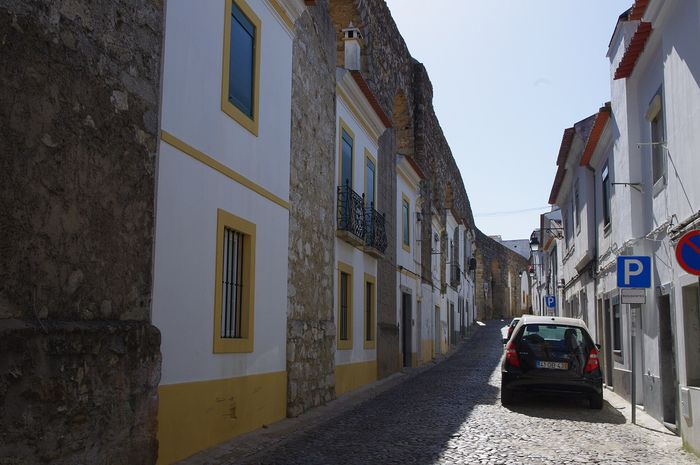
The walls and the aqueduct
A sixteenth-century aqueduct runs into the town and houses have grown into its arches. You walk alongside it.
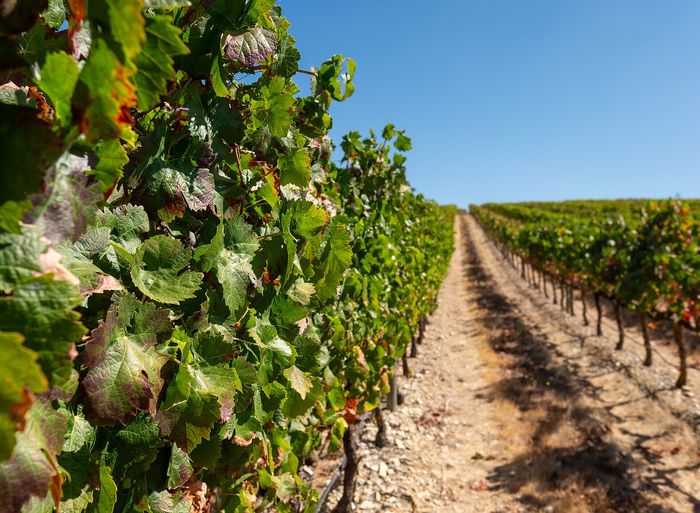
Alentejo wine
The region that now rivals the Douro by volume. Tastings in town or at estates half an hour out.
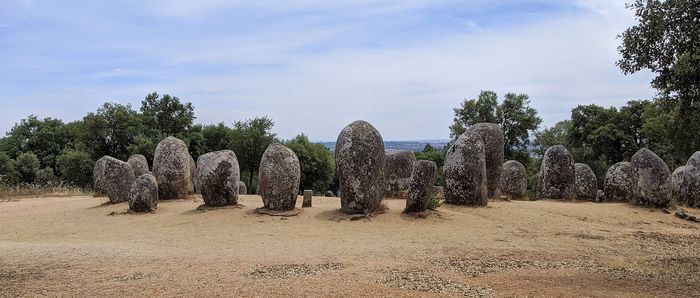
Almendres
A stone circle of almost a hundred menhirs, older than Stonehenge, fifteen kilometres west. No fence and no ticket.


Nomadinho scores out of 100, the same ones behind “Where to go”.
If you like Évora
Three places with the closest scores, from any country.


Two things you probably did not know
The Chapel of Bones in Evora is lined with the bones of around five thousand people, dug up from the city's cemeteries in the sixteenth century. The inscription at the door says the bones inside are waiting for yours.
Around Evora is the largest concentration of megaliths on the Iberian peninsula. The Almendres Cromlech has almost a hundred standing stones and is older than Stonehenge and the Egyptian pyramids.
Before you go
Short answers to what people ask most before setting out.
How many days do you need in Évora?
Two: the town on the first day, the stone circle at Almendres and a winery on the second. The town fits into a circle of twenty minutes on foot.
When is the best time to visit Évora?
March to May and September to October. In July and August midday temperatures regularly top forty degrees, in a province of cork oaks and empty roads.
Can you drive in Évora?
Not inside the walls: the parking is outside them, and that is deliberate. Stay inside the walls and walk, and take a car only for Almendres and the wine estates half an hour away.
Ready for Évora?
Within reach from here
Places sorted by straight-line distance from Évora — day trips or weekends.


All 292 places we write about sit on one page — narrow them down by continent, country, price or what you are travelling for.
Front row for the next trip
Leave your email and we'll let you know when a new destination or story goes up.