

Tokyo
A city with no centre — a dozen districts, each running as a city of its own
- When to go
- October 18° · 12 rainy days
- Per day
- €€€€price 4 of 5
- How many days
- 4days
- For you
- 6 questions →
- Nearest airport
- 18 km Tokyo · 64 km Narita
- Right now

Tokyo has no single centre but a dozen districts that work as separate cities, so the plan is built around districts rather than a list of sights. Try to fit Asakusa and Shibuya into one day and you will spend more time underground than on the street.
The underground is two independent networks — Tokyo Metro and Toei — with JR lines running above them. The 24-hour tourist ticket (¥1,000) covers both subway networks but not JR, so most people pair it with a Suica or Pasmo IC card for everything else. The cheapest metro ride is ¥180, which means the day ticket pays for itself on the sixth journey.

The city is not visited evenly. The east is old Tokyo: Asakusa with the Senso-ji temple, the Ameyoko market, the Sumida river. The west is the one from the postcards: Shibuya, Shinjuku, Harajuku, neon crossings and department stores. The middle is business and imperial — the park around the Imperial Palace is free to walk, the interior is not visited without booking. Those three Tokyos do not mix in one day.
Tokyo has two airports: Haneda (HND) is 18 km from the centre as the crow flies, Narita (NRT) 64 km. Landing at Narita adds another hour into the centre, so Haneda is worth looking for when you pick the flight.
What to see in Tokyo
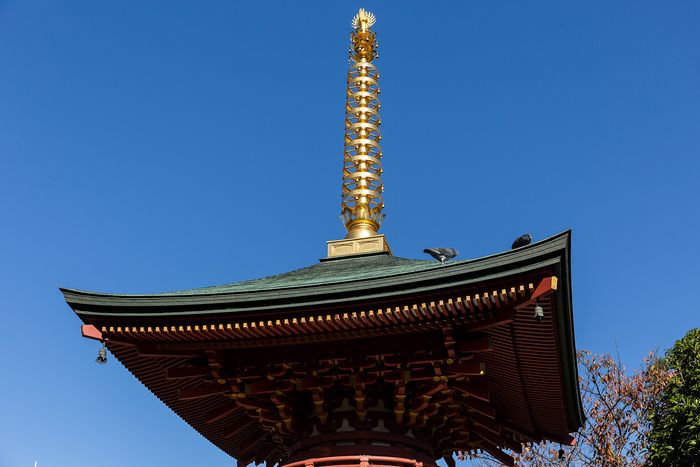
Senso-ji in Asakusa
The oldest temple in the city, with the Kaminarimon gate and the Nakamise shopping street leading to it. Go before eight in the morning or after seven in the evening — in between it is a queue in single file.
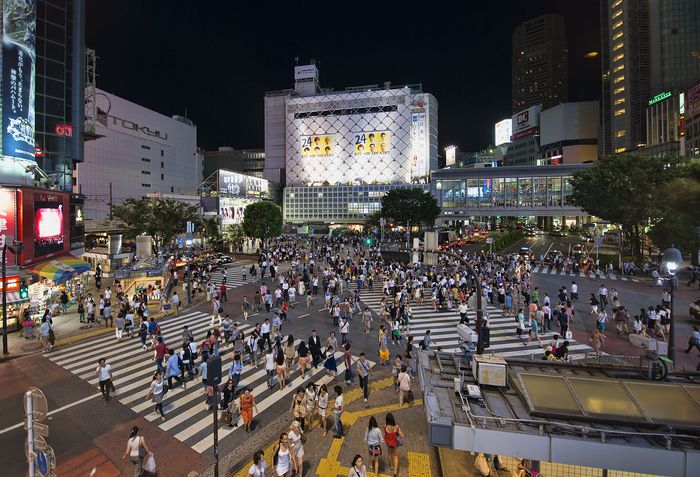
Shibuya crossing
A pedestrian crossing that several thousand people clear on every light change. The best view is free, from the first-floor window of the café in the store opposite the station.
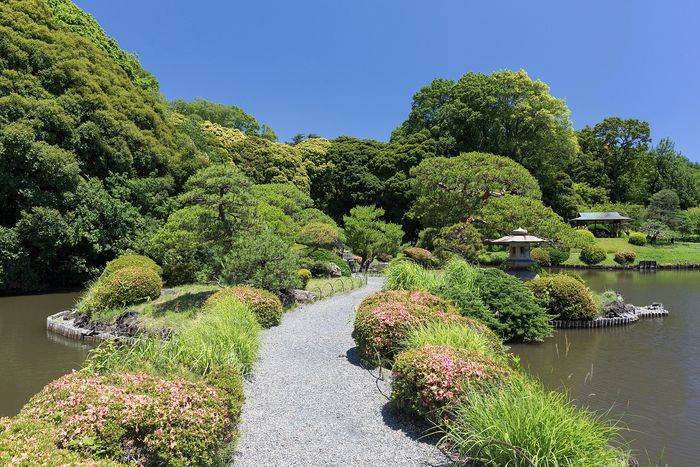
Shinjuku Gyoen
A park that began as an imperial family garden, with Japanese, English and French sections. Entry is about ¥500 and it is the only quiet thing in Shinjuku.
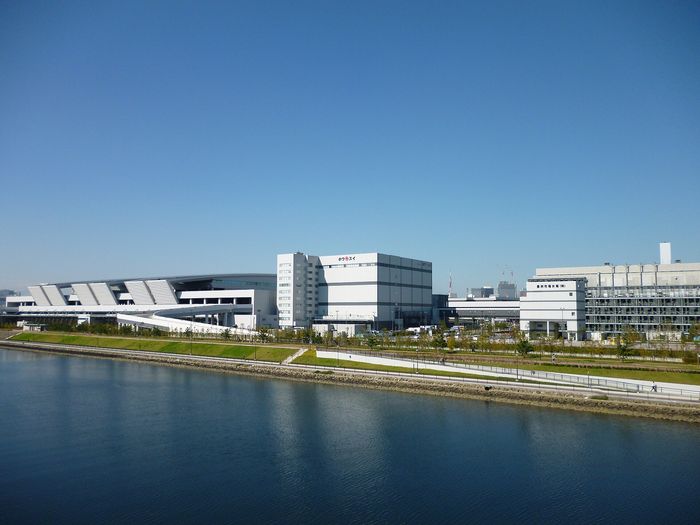
Toyosu fish market and old Tsukiji
The tuna auction now happens at Toyosu and is watched from a gallery, with registration in advance. Old Tsukiji is still a street of kitchens and raw-fish breakfasts, with no registration at all.
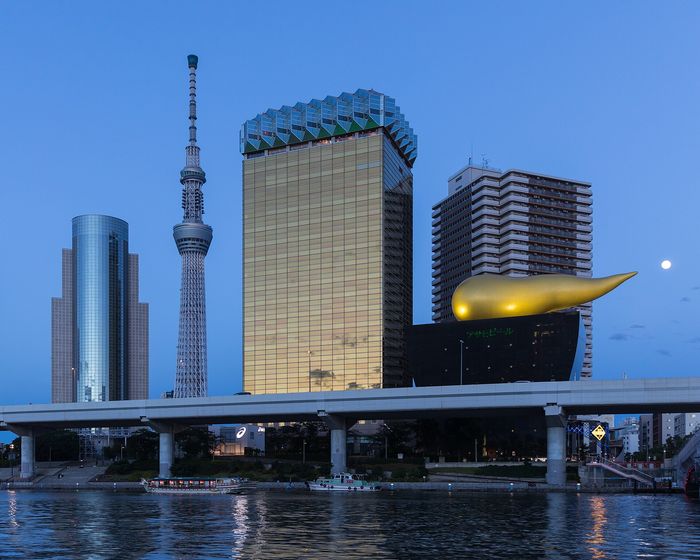
Tokyo Skytree
A 634-metre tower, the tallest in the country. The view beats Tokyo Tower's, but check visibility before you pay — in haze you are spending ¥3,000 on grey.
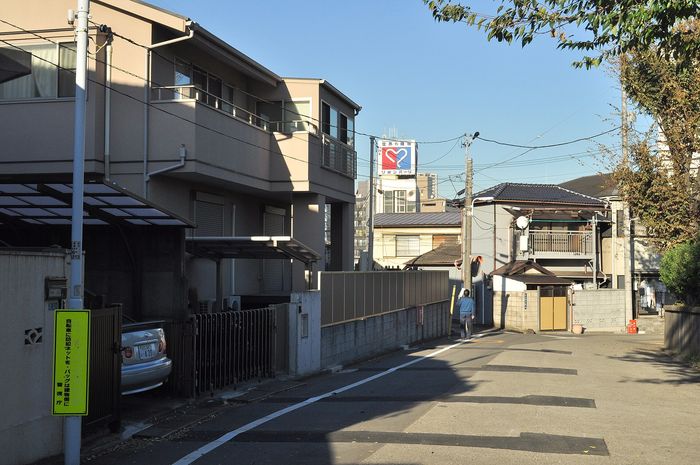
Yanaka
A district that survived both the 1923 earthquake and the 1945 firebombing, so it still has wooden houses that exist nowhere else in the city. A cemetery, cats, and shops that sell one thing.


Two things you probably did not know
Most streets in Tokyo have no names. An address gives the district, the block and the building's number in the order it was built, so two neighbouring houses can have numbers with no relation to each other.
Tokyo was Edo until 1868, and in the eighteenth century, with a million inhabitants, it was the largest city in the world. When the emperor moved the capital from Kyoto the city was renamed Eastern Capital, which is what Tokyo means.
Ready for Tokyo?
Within reach from here
Places sorted by straight-line distance from Tokyo — day trips or weekends.
Japan
→A country where a train five minutes late hands the passenger a written delay certificate

China
→A country the size of a continent, where the hard part is sorted out before you fly: payment, internet and tickets

Thailand
→Two coasts the monsoon never reaches at the same time, and a north seen through smoke in March
All 277 places we write about sit on one page — narrow them down by continent, country, price or what you are travelling for.
Front row for the next trip
Leave your email and we'll let you know when a new destination or story goes up.