

Hiroshima
One day you remember for a museum, and a second that lets it go on an island
- When to go
- October 18° · 7 rainy days
- Per day
- €€€price 3 of 5
- How many days
- 2days
- For you
- 6 questions →
- Nearest airport
- 34 km Iwakuni · 43 km Hiroshima
- Right now

Hiroshima works as two days that deliberately do not mix: the first is the Peace Park and the museum, the second is Miyajima island with its shrine in the water. The museum is not a quick stop, and nothing should be scheduled after it.
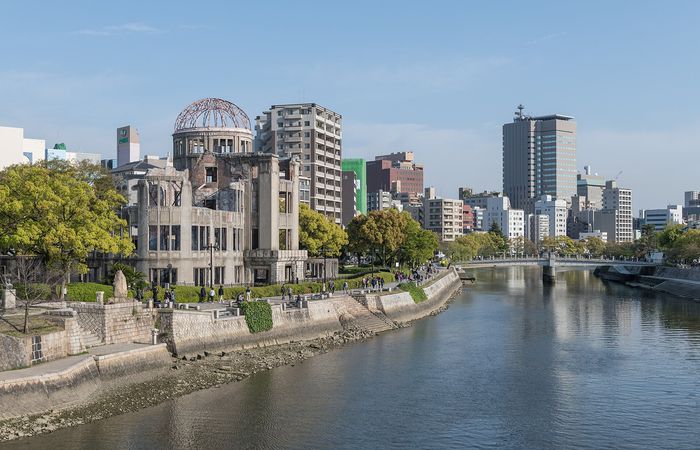
The bomb fell on 6 August 1945 at 8:15. The building now known as the Genbaku Dome was the Prefectural Industrial Promotion Hall and stood almost directly under the point of detonation, which is why its walls stayed upright while everything around it was flattened. It was deliberately left as it was found and joined the UNESCO list in 1996.

The Peace Memorial Museum costs ¥200 for adults, with an audio guide at ¥400 more. The price is symbolic, and that is a decision rather than an oversight. The exhibition was reorganised in 2019 and is harder going than it used to be — go in the morning, allow an hour and a half to two hours, and do not plan lunch straight afterwards.
Miyajima is the second day. The ferry from Miyajimaguchi takes about ten minutes, and since October 2023 arrivals pay a ¥100 visitor tax (an annual pass is ¥500). The great torii stands in the water in front of Itsukushima Shrine and looks entirely different at high and low tide — floating at one, walkable at the other. Check the tide table before you set out, because you cannot see both in the same hour.
What to see in Hiroshima
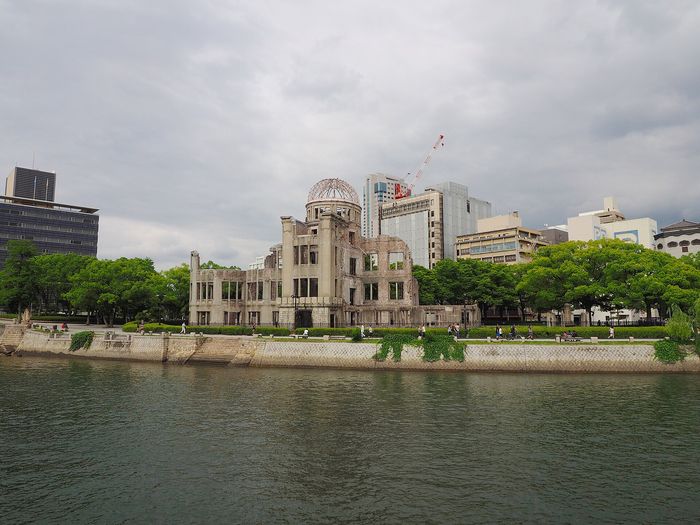
The Genbaku Dome
The shell of the building that stood almost under the detonation point, left deliberately as it was found. UNESCO-listed since 1996; seen from outside, there is no entry.
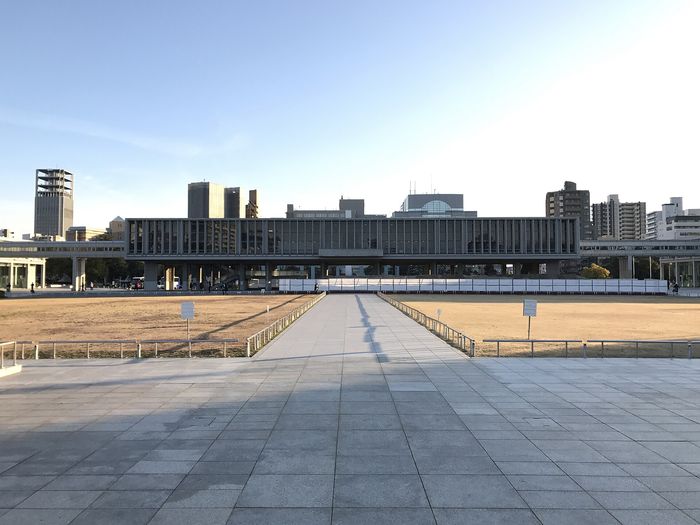
The Peace Memorial Museum
¥200 for adults, ¥400 for the audio guide. An hour and a half to two hours, in the morning, with nothing planned right after.
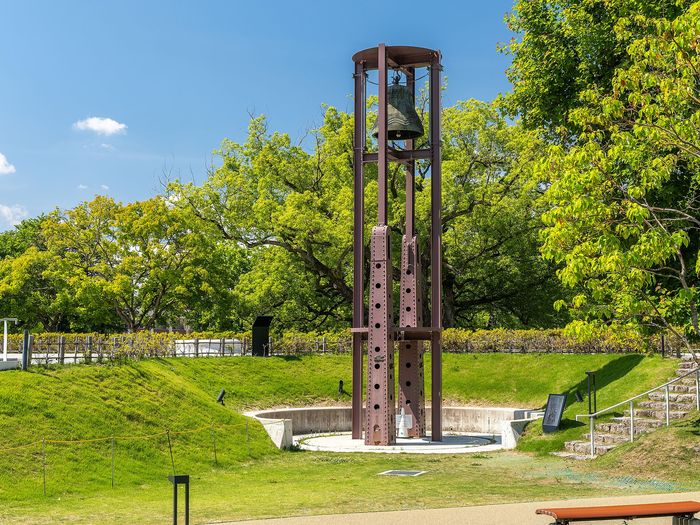
The Peace Park and the bell
The ground between the river and the dome, with memorials and a bell anyone may ring. The children's monument is buried in paper cranes sent by schools worldwide.
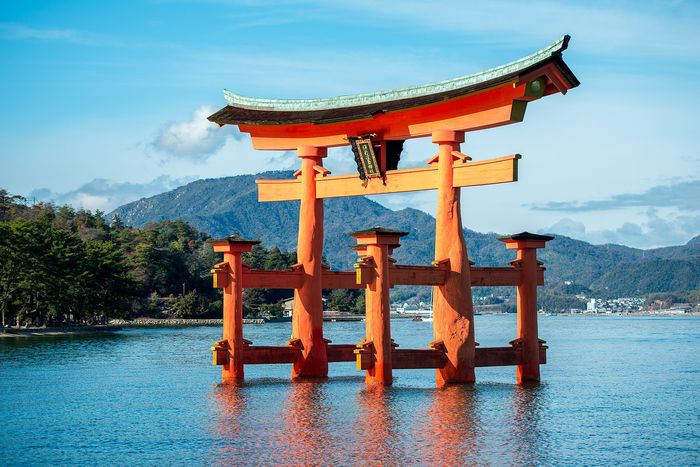
Itsukushima Shrine
A complex on stilts above the sea, with the great torii in front of it. It floats at high tide and is walkable at low — check the tide table before setting out.
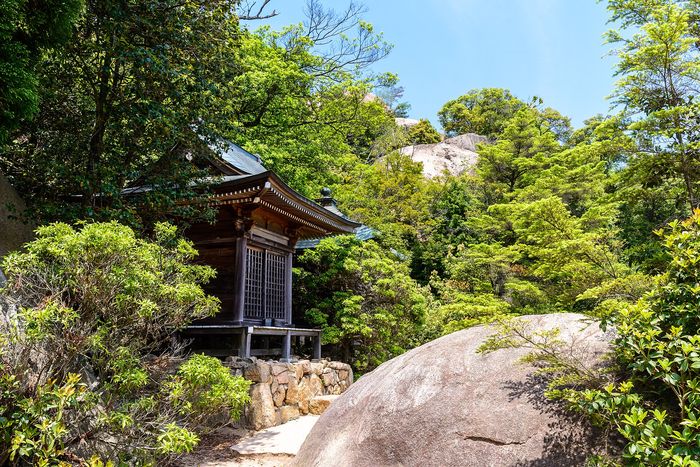
Mount Misen
The peak above Miyajima, 535 metres. The ropeway goes near the top, but the last twenty minutes are on foot; from the summit you see the whole Inland Sea.
Hiroshima-style okonomiyaki
The layered version with noodles underneath, not mixed as in Osaka. Eaten at the counter, with a spatula instead of a fork.


Two things you probably did not know
The Atomic Bomb Dome is the one building left exactly as it was on 6 August 1945. It stood almost directly below the blast. The pressure went straight down and the walls held while everything around was flattened.
A monument in the peace park is covered with thousands of paper cranes sent from all over the world. It is tied to Sadako Sasaki, a girl who fell ill with leukaemia after the bomb and folded cranes believing a thousand would bring recovery.
Ready for Hiroshima?
Within reach from here
Places sorted by straight-line distance from Hiroshima — day trips or weekends.
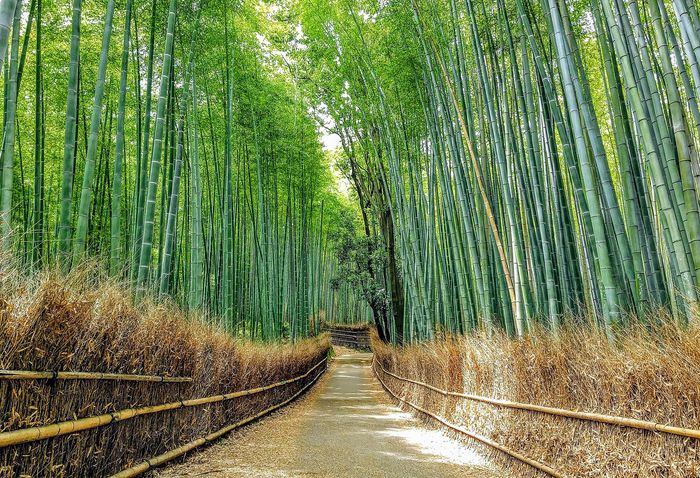
Japan
→A country where a train five minutes late hands the passenger a written delay certificate

China
→A country the size of a continent, where the hard part is sorted out before you fly: payment, internet and tickets

Thailand
→Two coasts the monsoon never reaches at the same time, and a north seen through smoke in March
All 277 places we write about sit on one page — narrow them down by continent, country, price or what you are travelling for.
Front row for the next trip
Leave your email and we'll let you know when a new destination or story goes up.