

Hamburg
A port that turned into a city by accident, a hundred kilometres from open sea
- When to go
- October 12° · 15 rainy days
- Per day
- €€€€price 4 of 5
- How many days
- 2–3days
- For you
- 6 questions →
- Nearest airport
- 9 km Hamburg · 56 km Lübeck
- Right now

Hamburg lies about a hundred kilometres upstream from where the Elbe meets the North Sea, which makes Germany's biggest port a river port. The city was built around working water: the canals, docks and warehouses aren't scenery but machinery, still visible from every bridge in the centre.
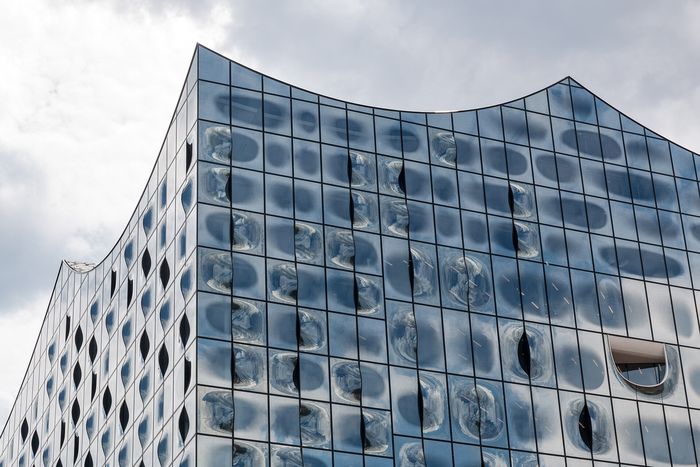
The Elbphilharmonie opened on 11 January 2017, seven years later than planned and at €866 million against an initial estimate of around two hundred. It stands on Kaispeicher A, a warehouse from the 1960s, so the brick below and the glass above are two different buildings fused into one. The Plaza is the terrace between them, thirty-seven metres up, with a view all the way round. An 82-metre escalator takes you up, curved so that you can't see the end until you reach it.

Until October 2026 an on-the-day Plaza ticket was free and existed only to count people. From 5 October it costs €5, €3 reduced, while a concert ticket still gets you onto the Plaza two hours before the performance. The reason is prosaic: over 2.2 million visitors a year and up to seventeen thousand on peak days turned the terrace into a cost the city decided to pass on. You book a specific time slot; the Plaza runs from ten in the morning until midnight, with last admission at half past eleven.
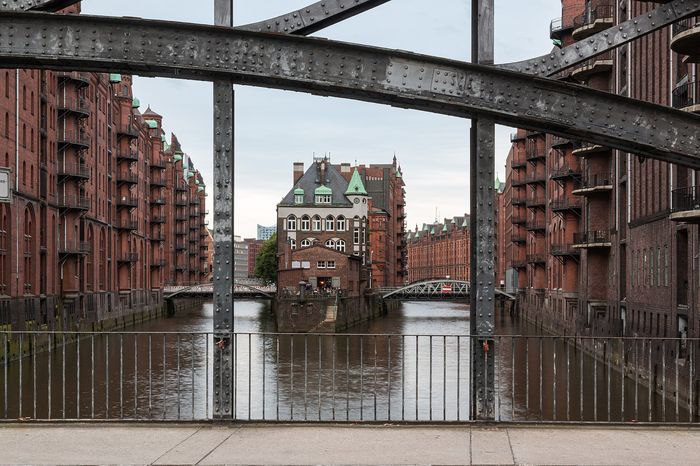
The Speicherstadt has been UNESCO-listed since 2015, together with the neighbouring Kontorhausviertel and the Chilehaus. It is the world's largest warehouse complex on timber piles, red brick throughout, with canals running in between the buildings. From the water it reads completely differently than from a bridge, which is why a barkasse is worth the money — the big harbour tour runs an hour and costs €24–26. The warehouses worked unheated, with external winches on the facades that hauled goods up through the loading doors, and those winches are still in place.
Guides for Hamburg
Shorter, practical pages for one concrete question each — how many days, how much money, where to sleep, where to escape the city.

Hamburg in 2 days
→Two days by the hour: the first on foot from the Speicherstadt to the Reeperbahn, the second down the Elbe to…

What to see in Hamburg
The Elbphilharmonie
Glass on brick, about 110 metres, and a 2,100-seat hall where the audience sits around the orchestra rather than in front of it. Concerts sell out months ahead, and a concert ticket includes the Plaza.
The Speicherstadt
A kilometre and a half of red brick on oak piles, with canals running between the blocks. Once a customs-free zone for coffee, tea and carpets. It looks best in the evening when the floodlights come on, and at high water, when the canals aren't mud.
The harbour by barkasse
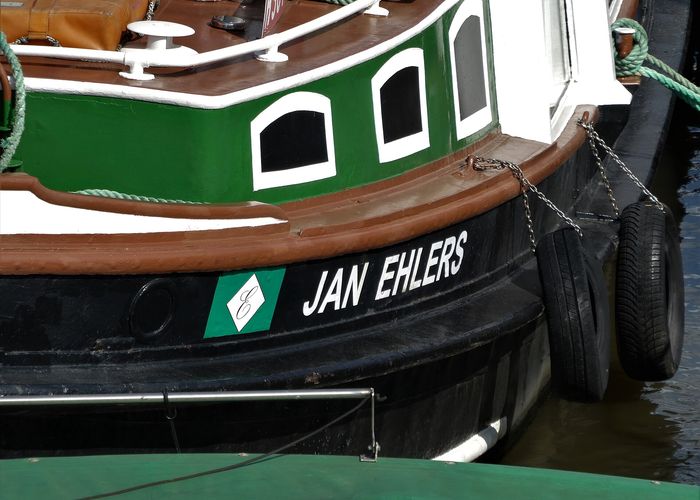
A barkasse is a small low boat that fits under bridges the big ships can't reach. With Barkassen Meyer, departures from the Landungsbrücken run all year, every twenty minutes or so from March to October and every half hour in winter, and the ticket is valid for a year from purchase.
St Pauli and the Reeperbahn
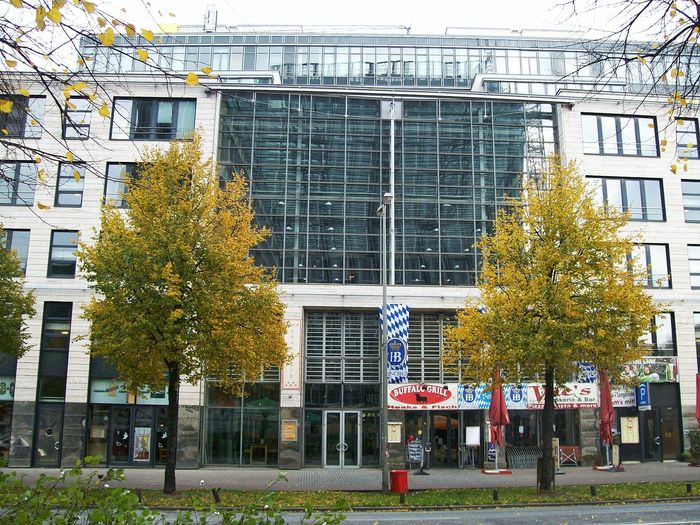
The Reeperbahn is a nine-hundred-and-thirty-metre street named after the ropewalk that once ran along it. Herbertstrasse is closed to women and minors, and a sign says so. The Beatles played here in the early sixties, at the Indra, the Kaiserkeller and the Star-Club.
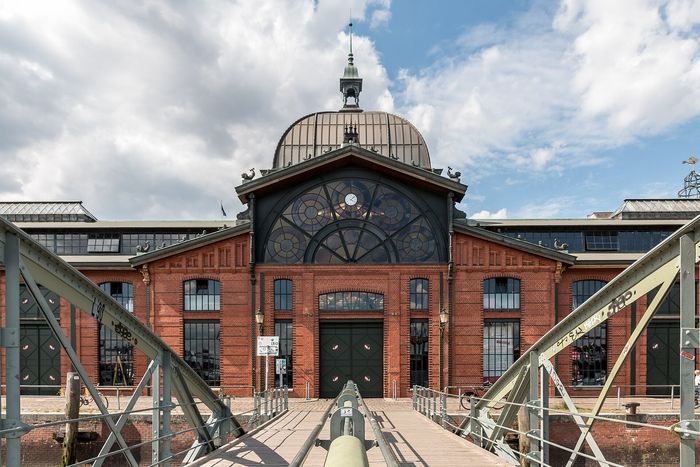
The fish market on Sunday
Sunday mornings only: 5 to 9.30 from April to October, from 7 in winter. It has existed since 1703, and bands play in the neighbouring Fischauktionshalle of 1896 while the fish is sold. You go either very early or straight after a night in St Pauli, which here amounts to the same thing.
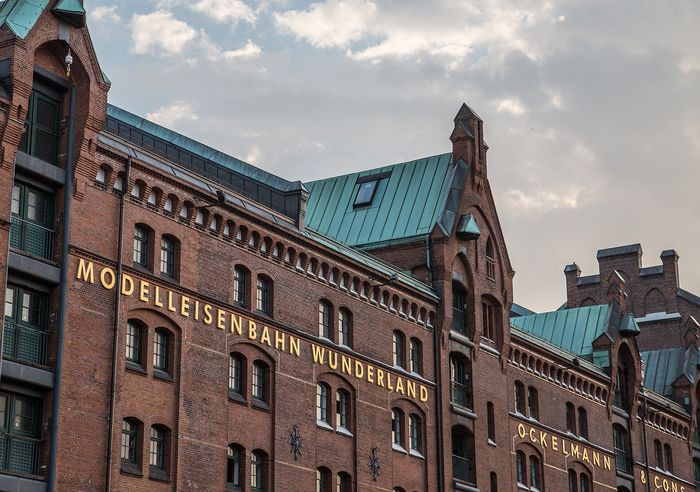
Miniatur Wunderland
The world's largest model railway, inside one of the Speicherstadt warehouses. Tickets are €22 for adults, less for children up to fifteen, and you book a slot online because the queue on the door is real. Allow at least two hours, and it isn't only for children.


Stories from Hamburg
How it actually was when we were there, and what was worth it.

Hamburg with the rain and the tide built into the plan
→A city where you plan by the water rather than the sights: the water that falls, and the water that rises and drops in the port twice a day.
Two things you probably did not know
Hamburg has more bridges than Venice, Amsterdam and London put together, over two thousand. The city sits on the Elbe and a network of canals, and its port is still the third largest in Europe.
The Beatles played over two hundred and fifty shows in Hamburg between 1960 and 1962, often eight hours a day. John Lennon later said they were born in Liverpool but grew up in Hamburg.
Ready for Hamburg?
Within reach from here
Places sorted by straight-line distance from Hamburg — day trips or weekends.


All 277 places we write about sit on one page — narrow them down by continent, country, price or what you are travelling for.
Front row for the next trip
Leave your email and we'll let you know when a new destination or story goes up.