

The Palio in Siena: ninety seconds that stop the city twice
- Published
- 1 January 2026
- Reading
- 5 min read
- Where
- Siena, Italy
- Prices checked
- 29. Sep 2026.
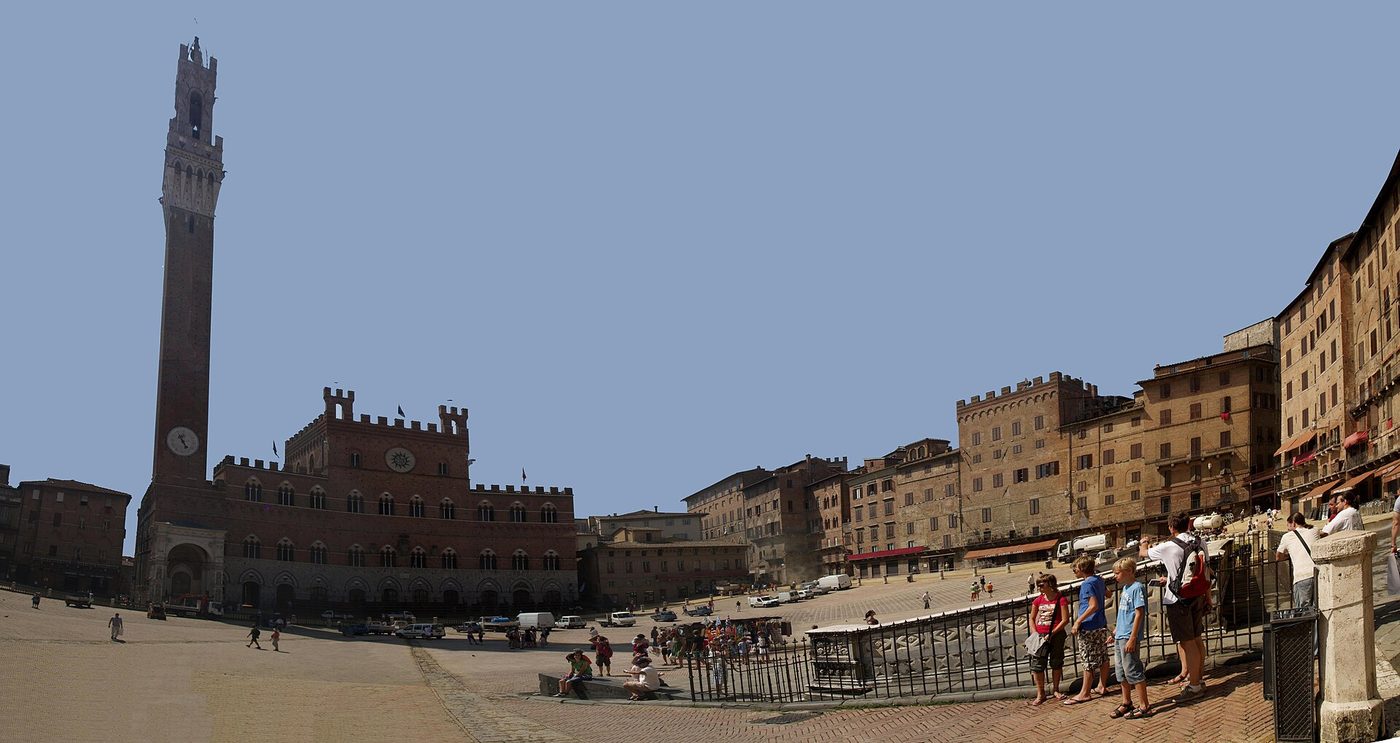
The race lasts less than ninety seconds, and the whole day belongs to it. Arrive unprepared and you stand for hours to see a few seconds badly.
The Palio is over in less than ninety seconds, and the whole of Siena is arranged around those seconds. It is run twice a year, on 2 July and 16 August, and everything else that happens on those days exists to serve the race. That makes the decision simple: either come on exactly those days, knowing what you are signing up for, or pick any other day and meet a different Siena. Pick one.
What race day actually looks like
The race is the end of a four-day programme, and the programme is held hostage by the weather. Horses do not run on wet tufo, the layer of earth laid over the stone of the Campo, so rain pushes the race back. Of the six Palios scheduled from July 2024 to August 2026, rain moved five. Rain is the real organiser. The July race in 2026 was run on 3 July instead of 2 July, and the August one was put back twice, to 18 August, where the start alone took more than an hour, with three false starts and skirmishes between the wards of Lupa and Istrice and of Oca and Torre. Patience is part of the ticket.
So whoever comes only for the race should not book a flight for the next morning. The spare day is part of the plan.
If the track is wet — the race is put back, sometimes more than once
Seventeen wards, ten places
Siena is divided into 17 contrade, and each one has its own coat of arms, colours, church, museum, fountain and baptismal font. Only ten run in any one Palio: seven by right, because they sat out the same race the year before, and three drawn by lot. Rivalry is between neighbours, which is the oldest and loudest kind. When Nicchio won on 18 August 2026, it was the ward's first victory in 28 years, and you could have guessed that from the noise alone. A visitor is a passer-through at somebody else's holiday, and the wise ones behave like guests at a family dinner. Keep the scarf opinions to yourself.

How to watch it for free
Free is possible. Watching for free means standing in the middle of the Campo, where most of the crowd ends up. You go in during the morning, and once the ceremony begins the police close the approaches. Nobody comes and goes. Plan for several hours on your feet, with the race at the very end of them and no chair in sight.
Grandstands, windows and balconies cost money and sell out long before the event, with the owners of the flats setting the prices. If you travel with small children or dislike crowds, skip these days. The Palio is a fine thing to read about and a hard thing to stand in.

Where to sleep on those days
Rooms in the city go months ahead, so sleep outside Siena. The 131R bus from Florence takes an hour and a quarter and stops at the edge of the old town, at Via Tozzi beside Piazza Gramsci, and a return ticket costs €19.80. Work out the last bus back before you commit, because the race is run in the early evening. Driving is the worse option. The centre and its approaches are closed, and parking is a long walk from the walls.
Siena for the rest of the year
The marble floor of the cathedral is uncovered only from 27 June to 31 July and from 18 August to 15 November, and the cathedral's Opera publishes the periods separately every year. Palio dates never move, so anyone who wants both race and floor compares the two calendars before booking. The Torre del Mangia needs no reservation, but it lets in 25 people per 45 minutes, so buy the ticket as soon as you arrive in town.


Choose your Siena first. The date follows. For the Palio, come for two days with a spare for the rain, go in early and accept that you will see only part of the race. For the cathedral, the floor and the tower, come on any day except the four around the race.
Official ticket
- Marble floor
- 27 Jun–31 Jul, 18 Aug–15 Nov
- Torre del Mangia
- no booking
Through a partner
- options with a guide or audio guide
- usually costs more than the official ticket
Check the same room on both sites: price and cancellation terms can differ.
Italy, in brief
What now
If this sounds like your trip, start here.
- Decide in advance: either go for the Palio (2 July and 16 August) or deliberately avoid those days — there is no middle.
- If you go, stay several days: the race is the end of a four-day programme, not one afternoon.
- Don't book a flight home for the next morning — the July 2026 race was moved by rain.
Siena
→A shell-shaped square where horses race twice a year

Siena in 1 day
→The cathedral at 10 on a pass that takes about 2 h, the Palazzo Pubblico and the tower after lunch, and the other way round on Sundays, when the Duomo opens at 1.30.

Day trips from Siena
→Monteriggioni is twenty-odd minutes by bus, San Gimignano a full day with no changes, Montepulciano a train plus a connection, and the three Val d'Orcia villages only by car.

Where to stay in Siena
→Siena has no neighbourhoods in the way larger cities do, only three terzi that meet at the Campo, and what separates them is the climb, not the distance.

Siena beyond the Campo: a saint's head, a fortress and a city full of students
→A saint's head brought without permission, a house turned into a shrine, a fortress built to guard the city…

What to eat in Siena
→Siena's cooking is peasant food and that is the point: eggless pasta, game instead of steak, and a cake made since the thirteenth century.

The best time to visit Siena
→A 30°C summer with two Palios, an autumn wetter than the winter, and a cathedral floor uncovered on a calendar of its own.

Getting around Siena
→By tram and the 131R bus from Florence airport, on foot from the bus station, and cars are left outside the walls.

Italy
→The cities on the high-speed line are an hour or two apart; the coast, Matera and the Tuscan hills lie off it

The Tuscany everyone photographs isn't in any town
→The Tuscany on the postcard has no name on the map and no entrance gate. It is a view from a road, so the real question is where you can stop the car.

Rome for a weekend: what we spent, and what we would change
→The bill from one October 2025 weekend in Rome, line by line: two people, two days, no luxuries, and the three decisions that would change it next time.

Pompeii and Herculaneum from Naples: what fits into one day
→Pompeii and Herculaneum are a train ride from Naples, while Vesuvius needs a transfer uphill, which is why the day so often gets overpacked.
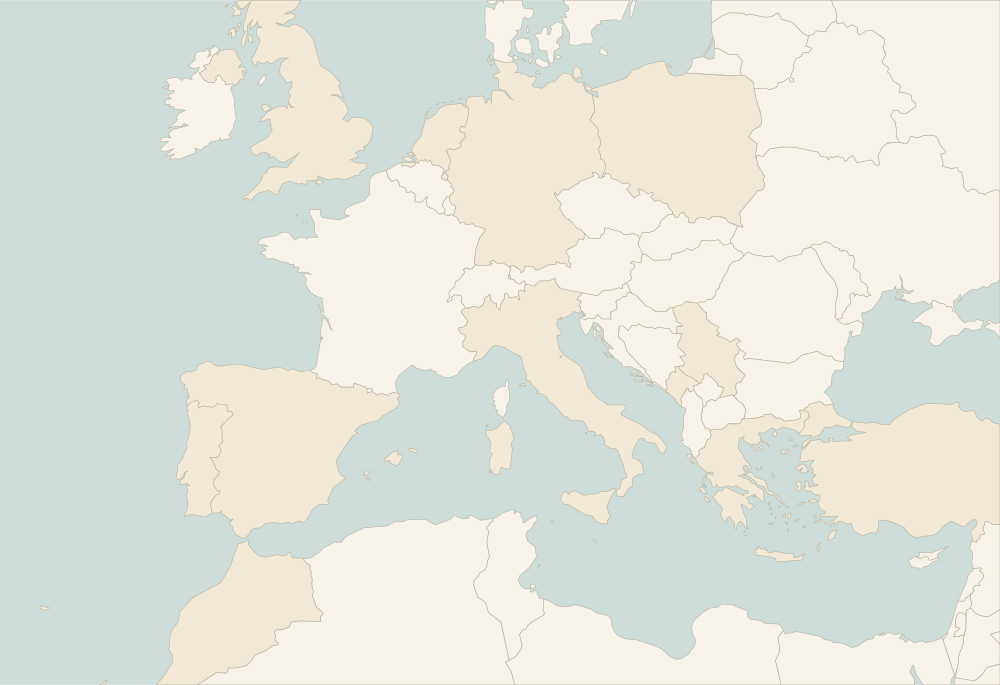
Siena, San Gimignano and Val d'Orcia from this story
See which of them suits you, then pin what you have already done.
Front row for the next trip
Leave your email and we'll let you know when a new destination or story goes up.