

- Published
- 19 August 2026
- Reading
- 4 min read
- Where
- London, England
- Prices checked
- 15. Sep 2026.
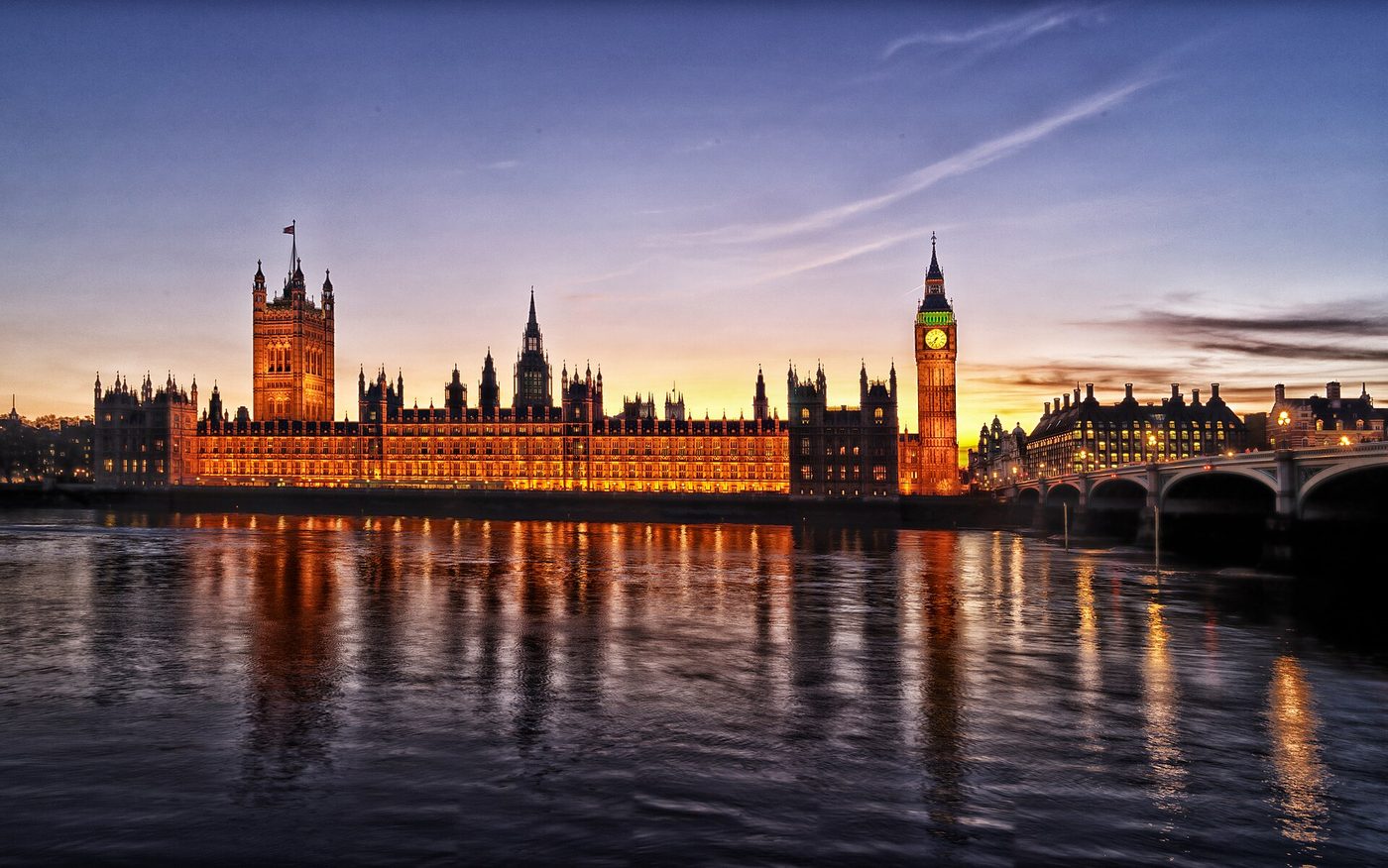
What a London weekend costs is settled before you leave, on the entry, the flight and the room. Inside the city almost everything has a ceiling.
A London weekend costs what you pay before you leave. The city itself is built with ceilings: transport stops charging after a daily cap, the big museums charge nothing and the theatre keeps a cheaper queue. The three lines with no ceiling are all settled at home. Entry comes first, and depending on your passport it means an ETA at €23 per person or a Standard Visitor visa at €157 per person, which is not refunded. Then come the flight, which climbs as the date nears, and the room, which is the biggest line of all. Anything after landing is easier to predict than any of them.
The first line, and the one not refunded
Which of the two you need depends on your passport, and GOV.UK settles it before you book anything else. Citizens of many countries need only an ETA, at €23 per person. Others need a Standard Visitor visa at €157 per person, applied for online, with fingerprints and a photograph taken at a visa centre. A decision usually arrives within three weeks. The fee is not returned if the application is refused or the visa turns out shorter than you wanted, and two travellers pay it twice.
The lines with no ceiling
A flight is caught early, never predicted, so pick the date that suits you and book when a fare fits. Direct flights from Belgrade reach both Heathrow and Luton, and the choice matters beyond the fare. Heathrow is in zone 6, outside the zone 1–2 caps, so the Elizabeth line to Paddington costs €18 and the Heathrow Express €30 on top of your plan. From Luton the Luton Airport Express runs to St Pancras, and Thameslink runs all night to London Bridge, Blackfriars, Farringdon and St Pancras. The room is the biggest line, and the neighbourhood moves its price more than the dates do. Choose the neighbourhood before you pay for the flight, since the room is the one line you cannot adjust once you land.

A ceiling per day
Pay with a contactless card, or with a phone or watch on Apple or Google Pay, and touch the yellow reader on the way in. On the tube and trains you touch out as well, while on buses only the entry counts. The zone 1–2 daily cap is €10, buses and trams stop at €6.10, and the weekly cap of €52 runs Monday to Sunday, so a weekend never reaches it. Every device counts as its own card: one person on a card and another on a phone each get their own cap, while two cards close to a reader can leave a journey incomplete. Keep one in the wallet. Oyster has the same prices and caps as contactless, plus a card fee that is not returned, so it saves nothing. A bank that charges per touch abroad is the real leak, and a card without that fee is worth the switch.

The ceiling is zero
Five of the big museums charge nothing for their permanent collections: the British Museum, the National Gallery, Tate Modern, the Natural History Museum and the V&A. Temporary exhibitions are paid, and the British Museum asks you to reserve a free ticket, because without one entry depends on capacity. On 29 September 2026 the government decided against charging overseas visitors, so the ceiling stays at zero for you too. The only paid ticket in this plan is the Tower of London at €43 per person, and you can see its outside for nothing. Tower Bridge is free to cross on foot, with St Katharine Docks five minutes to the east for a better angle. Lunch at Borough Market, then the South Bank on foot past Tate Modern, makes a good first day.
Official ticket
- Price
- €43 a head
Through a partner
- options with a guide or audio guide
- usually costs more than the official ticket

A ceiling for those who wait
The same show has no single price. The official TKTS booth in the Clocktower building, on the south side of Leicester Square, sells tickets for the same day, and the same tickets go online at the same price from 00:01. If you know the show you want, you pay full price. If you are flexible, you choose from whatever is left. The booth is open every day, and its hours change with the season, so the official London Theatre site is the place to read them before you queue.
Official ticket
- Online
- from 00:01
Through a partner
- options with a guide or audio guide
- usually costs more than the official ticket
Three lines with no ceiling
No ceiling — entry, flight and room — all before you leave. Food and a show are left out: they depend on choice, not on the city.
Someone who already holds a visa deletes the first line, and someone who needs only an ETA shrinks it. The smaller bill sits in the date of the flight and the neighbourhood of the room, because the ceilings inside the city are already set. For a cheap lunch, Carnaby and Chinatown do the job, and on Sundays Camden has its markets.


Check the same room on both sites: price and cancellation terms can differ.
England, in brief
What now
If this sounds like your trip, start here.
- Paperwork first, ticket second: some passports need the £20 ETA, others the £135 Standard Visitor visa, which is not refunded if the answer is no.
- If you need a visa, don't buy the flight until it is in the passport — otherwise you risk losing twice instead of once.
- The ETA is not open to every passport; check on GOV.UK which of the two applies to yours before you apply.

London
→Five world-class museums with no ticket, and one room that eats half the budget
London in 3 days
→Three days in which you pay for exactly two tickets — the Tower and the Greenwich observatory — while all five great museums let you walk in free.

Day trips from London
→Six day trips from London that fit into a single day — with the departure station, journey time, admission, and the one that isn't worth rushing.
Where to stay in London
→Six London neighbourhoods to sleep in, with the price for two a night, the zone, the station name and the drawback the listing leaves out.
What London costs
→What London really costs a day — from €63–76 with a hostel and a meal deal to €339 with a hotel in zone 1 — and where that 12.5% vanishes off the bill.

London free and empty: a 35th-floor glasshouse and a sarcophagus
→Ten things London doesn't put on postcards — a glasshouse on the 35th floor with no ticket, an architect's house with a sarcophagus in the basement, and a park that remembers ordinary people.

What to eat in London
→London is eaten through four things: fish and chips, the East End's pie and mash, a Sunday roast in a pub and a curry on Brick Lane, with a market in between where you eat standing up.

The best time to visit London
→The best month for the weather is not always the best for the ticket

Getting around London
→London is paid for with a bank card tapped at both ends of the journey, and from then on the system does the sums: the daily cap, the one-hour bus hop and the cheaper night fare.

Mistakes everyone makes in London
→Eight decisions that cost an hour, a ticket or a whole day

Museums in London
→Entry is free; what you pay in is the queue and the wrong day

From the airport to London
→Six airports, and trains that are not interchangeable

England
→The museums charge nothing; the train charges you for booking late

Why London's museums charge nothing, and what you still pay for
→Behind the words 'free entry' stand one tax clause and one political decision.

Oxford or Cambridge for one day from London, without regrets
→Oxford and Cambridge both sit about an hour from London, and for a single day the real difference is what your money opens.

Bath and the Cotswolds with no car: trains, buses and villages
→The Cotswold villages tie themselves to the towns on the edge of the region, and hardly at all to one another.
Front row for the next trip
Leave your email and we'll let you know when a new destination or story goes up.