

Where to stay in London
Six London neighbourhoods to sleep in, with the price for two a night, the zone, the station name and the drawback the listing leaves out.
- First visit
- Southwark and Waterloo
- Museums and trains
- King's Cross and Bloomsbury
- Going out
- Shoreditch
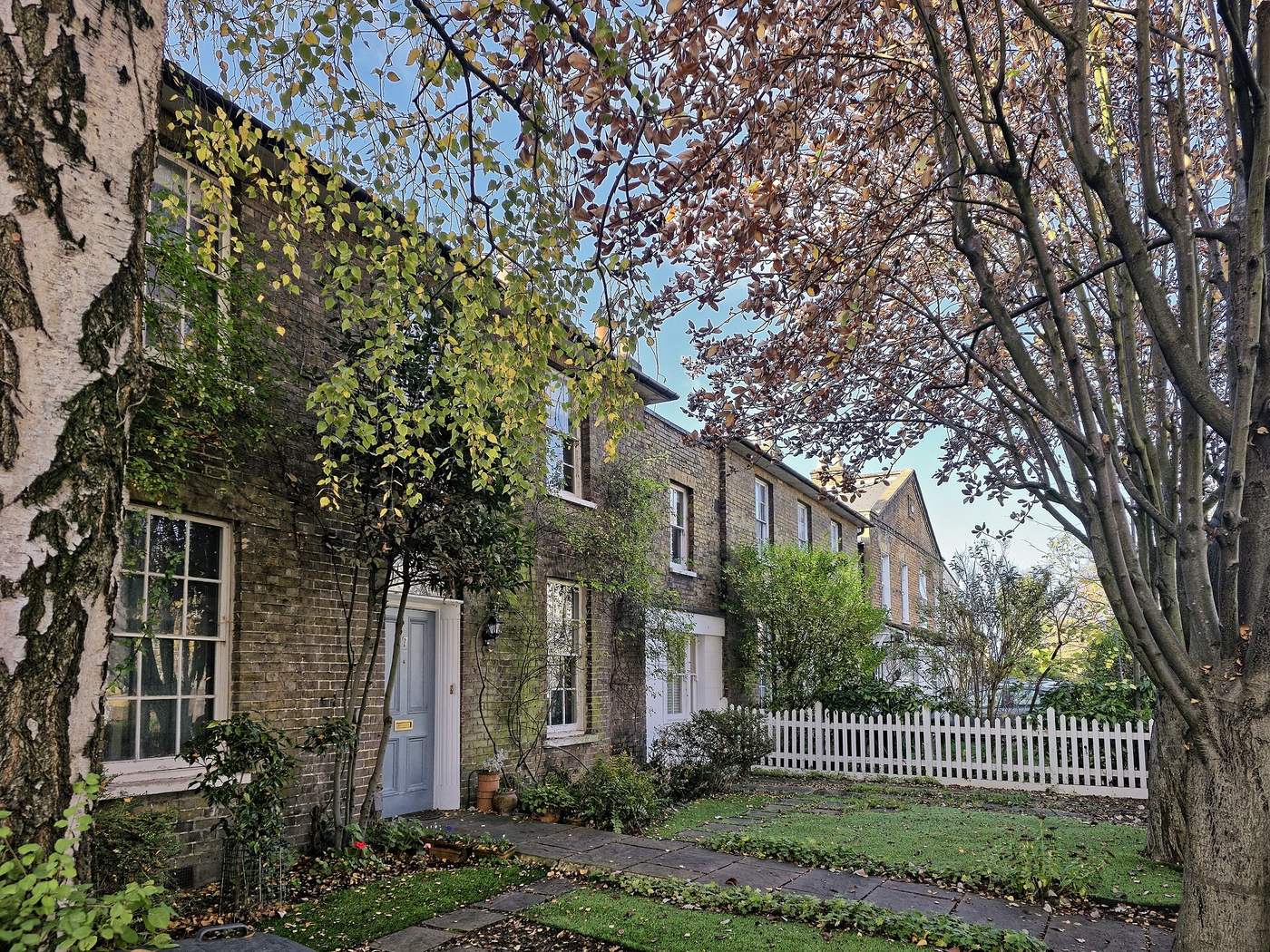
In London you don't choose a neighbourhood, you choose a station. The difference between a good stay and a bad one is five minutes to the Tube and which line it is — from the wrong side of town every day starts with a change. Prices drop the moment you leave zone 1, but only if you stay on a good line.
The city has no tourist tax, so the price you see when booking is what you pay; the 20% VAT is already inside it. What isn't inside it is transport: a room £30 cheaper in zone 3 gives the saving back in two days if every morning costs a higher cap and forty minutes on a train.
Prices below are for two, per night, in season (May–June and September–October), in a three-star hotel or a decent flat; in January and February count on 25–40% less, and around Christmas or during a big conference up to 50% more. There is no tourist tax in London.
Southwark and Waterloo — for a first visit
The south bank between Tate Modern and London Bridge: Borough Market, Shakespeare's Globe, the Shard overhead and a riverside walk that runs all the way to Westminster. Who it suits: a first stay, when you want half the plan on foot and an evening that needs no Tube. Price for two: about £170–280. Transport: zone 1, Waterloo (four lines), London Bridge (two) and Southwark; fifteen minutes to the British Museum. The drawback: the streets around Waterloo are windswept and empty at night, and hotels beside the viaduct hear trains until midnight.

King's Cross and Bloomsbury — for museums and early trains
Bloomsbury is a district of plane-shaded squares behind the British Museum; King's Cross used to be an industrial hole and is now a square with fountains, a library and Coal Drops Yard. Who it suits: travellers catching a train to Cambridge, York or the Eurostar from St Pancras, and anyone with a museum on the plan every day. Price for two: about £150–260, with more mid-range hotels per square kilometre than anywhere else in the city. Transport: zone 1, six Tube lines at King's Cross St Pancras. The drawback: north of the station, towards Caledonian Road, the neighbourhood turns unwelcoming after dark.

Shoreditch and Hoxton — for people who go out
East London north of the City: brick, murals, the Brick Lane market on Sundays, Spitalfields every day and the highest density of bars in the city. Who it suits: travellers under thirty-five, second visits, and anyone whose evening is the point of the trip. Price for two: about £130–230, the best value this close to zone 1. Transport: Old Street (Northern) and Shoreditch High Street (Overground), Liverpool Street ten minutes on foot. The drawback: noise. On Friday and Saturday people shout on Kingsland Road and around Old Street until two in the morning, and a room facing the street suits nobody who sleeps lightly.
Kensington and Earl's Court — for families and quiet
West London: white stucco and columns, Hyde Park and Kensington Gardens on one side, three big free museums on the other. Who it suits: families with children (the V&A, the Natural History Museum and the Science Museum are five minutes apart), older travellers, and anyone who wants a quiet street at night. Price for two: about £140–240 in Earl's Court and Gloucester Road, noticeably more in South Kensington itself. Transport: zone 1, the District, Circle and Piccadilly lines — the last one runs straight to Heathrow. The drawback: the City and Shoreditch are forty minutes away, so the evening is either local or long.

Greenwich — for a budget, without feeling like the suburbs
The south-east, on the other bank: the maritime museum, a park with a hill, a covered market and a quiet old town centre with eighteenth-century pubs. Who it suits: travellers who care more about square metres than a postcode, second visits and families — a room for four here costs what a double costs in zone 1. Price for two: about £110–180, the lowest of any district on this list. Transport: zone 2/3, DLR to Bank in 25 minutes, or the boat to Westminster. The drawback: there is no Tube in the usual sense, so after midnight you are on night buses.

Paddington and Bayswater — for the airport and a front row on the park
North of Hyde Park, around the big railway station: terraces of nineteenth-century white houses, the canal behind the station and Little Venice ten minutes away. Who it suits: short stays, anyone landing late or flying early, and travellers who want a park under the window without Kensington prices. Price for two: about £120–200. Transport: zone 1, the Elizabeth line straight to Heathrow and to the City without a change, plus the Bakerloo, Circle and District. The drawback: many hotels are converted houses, so rooms are narrow, and windowless basement units get sold as 'garden view'.
What to avoid
- 'Near the Tube' with no station named. London has over 270 Tube stations and as many rail ones; if the listing doesn't name the station and the line, assume fifteen minutes on foot and check the map.
- Hotels at the airport itself. Heathrow and Gatwick are thirty pounds cheaper and an hour of travel more expensive every day; they make sense only for the night before a six a.m. flight.
- Zone 3 and beyond on lines with no night service. The Northern, Central, Victoria, Jubilee and Piccadilly run all night on Fridays and Saturdays; the rest don't, so after midnight it is a night bus or a thirty-pound cab.
- Flats with no address and no reviews. A private London flat may legally be let for at most ninety nights a year under a 2015 act, so part of the supply operates around the rules — no address before payment, no key at midnight.
- Rooms above a pub on a Friday. They're cheap for a reason: the music runs to eleven and the people under the window to one.

Rough prices by neighbourhood
For two per night, 2026 season, VAT included — ≈
No city tax goes on top of these — London is cheaper than Rome, Paris or Lisbon on that count, and the price on the site is the final one. What does get added is breakfast (£12–20 a head in the hotel, half that in the café opposite) and, in some hotels, a 'city levy' that is not a legal tax but a house charge; if you see it in a booking, that is the hotel, not the state.


Before you go
Short answers to what people ask most before setting out.
Which neighbourhood is best for a first stay?
Southwark and Waterloo: the river, Borough Market and Tate Modern on foot, Westminster fifteen minutes along the bank, and four Tube lines at Waterloo. For two, count on about £170–280 a night in season.
Does London have a tourist tax?
No. The price you see when booking is final and the 20% VAT is inside it. If a hotel shows a 'city levy' on the bill, that is its own charge rather than a city tax, and it can be questioned.
Is it worth sleeping in zone 3 to save money?
Only if you're on a line that reaches the centre without a change and runs at night. Thirty pounds a night disappears into a higher daily cap and forty minutes each way.
Ready for London?
Where to next
What London costs
→What London really costs a day — from €63–76 with a hostel and a meal deal to €339 with a hotel in zone 1…

Brighton · 76 km
→A seaside you look at rather than swim in, and a city that's better for it
How well does London suit you?
→Six questions: a score for this place and others like it.
Front row for the next trip
Leave your email and we'll let you know when a new destination or story goes up.