

- Published
- 9 November 2026
- Reading
- 8 min read
- Where
- Before you go
- Prices checked
- 9. Nov 2026.
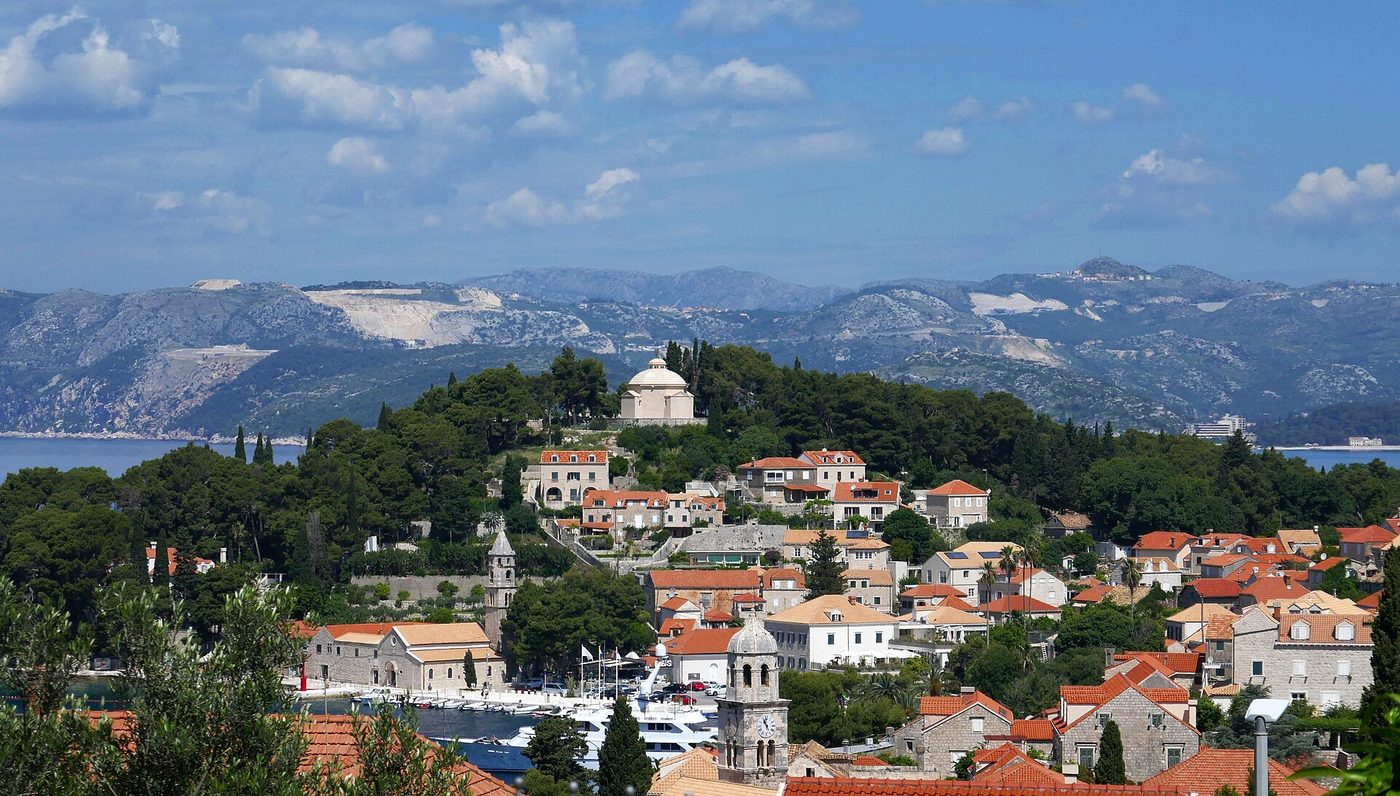
A hire car can leave its home country only with the written approval of the rental company, and that approval decides everything else on the trip. The green card and the insurance change from one country to the next, with North Macedonia, Albania and Kosovo the ones that need the most attention.
Rental car across borders in the Balkans? Without the company's written permission the car stays where it was collected, and crossing anyway breaks the contract. The fee depends on the branch, the green card depends on the country, and Croatian crossings now take extra time because of the EES. Kosovo sits outside the system altogether, so it gets its own rules below.
The company's permission
Tell the company before the car leaves the country, and get the approval in writing. Enterprise in Zagreb East and in Podgorica both say that unauthorised cross-border travel breaches the contract (2026). The general rule and the Zagreb example are covered in Renting a car in Europe, so this guide goes straight on to the Balkans.
The new detail is that one company can run two different systems. At Enterprise in Podgorica the countries are split into zones, and zone 1 (Albania, Kosovo, North Macedonia, Serbia, Bosnia and Herzegovina and Croatia) costs €60.50 per rental, VAT included. Greece, Italy and other countries fall into further zones that cost more. In Zagreb, Croatia is the home country, while Bosnia and Herzegovina, Montenegro, Albania, Serbia, North Macedonia and Kosovo form a single group outside the EU. Same company, two branches: the same country can mean a different price and a different group, depending on where the car is collected.
Border police also want proof that the person driving is entitled to the car. Croatian police may ask for the owner's notarised authorisation in Croatian or English, and North Macedonia expects the same from anyone who does not own the vehicle. Alongside it goes the original registration document, ideally with the authorisation in two languages. For a hire car this is the paper the company issues with its approval and the green card, so look for it with the contract, and do not assume every company uses the same form.
- the list of countries, by name, that the contract allows
- the cross-border fee per rental, and whether VAT is included
- whether the green card comes in the package, and which countries it names
- the ferry, since Enterprise in Zagreb East asks for approval for ferry crossings too
The green card, country by country
The green card is international proof of third-party liability insurance. For a hire car, ask whether the company provides one and which countries it lists, because a vehicle insured in one country does not automatically cover its neighbour. Do not assume one card covers every country, so the list matters more than the promise.
Montenegro is the one place where sources disagree. The Serbian foreign ministry says the card is not asked for and national compulsory insurance is recognised, while a border-crossing guide for Croatia to Montenegro says a valid green card is required. The practical answer is to ask the company, and to take the card if it is in the package.
Crossings and the EES
The EU's Entry/Exit System has been fully operational since 10 April 2026. Travellers from outside the EU have fingerprints and a facial photo taken on first entry, while EU citizens go through an ordinary check. Croatia: Schengen; EES live; ETIAS delayed. Citizens of Serbia can enter Montenegro on an ID card, but returning to Croatia needs a passport.
For anyone renting a car to drive from Dubrovnik to the Montenegrin coast, the main crossing is Karasovići on the Croatian side and Debeli Brijeg on the Montenegrin side. Vitaljina (Croatia) to Kobila (Montenegro) is a smaller alternative, used mostly by passenger cars. On peak summer days the queue is usually two to three hours (Motorrad & Reisen 2026, a-transfers-croatia 2026), and which crossing moves faster depends on the day. An early start helps more than choosing a crossing.

Neum is the other quirk. Southern Dalmatia is cut by a short stretch of Bosnia and Herzegovina, about 9 km on the D8 between the Croatian crossings of Klek and Zaton Doli (2026). Anyone driving from Split to Dubrovnik along this coast crosses the EU's external border twice. The Pelješac Bridge, 2.4 km long and opened on 26 July 2022, runs from Komarna to the Pelješac peninsula without touching Bosnia and Herzegovina. Because Bosnia and Herzegovina is on the lists of countries with a fee, ask the company how it treats Neum.
- Montenegro to Albania: Božaj-Hani and Hotit on the Podgorica to Shkodër road, and Sukobin-Muriqan.
- Albania to North Macedonia: at Sveti Naum the border lies 1.2 km from the monastery, no scheduled transport crosses it, and the driver needs a green card that names Albania.

Insurance at the border
The green card gives no cover in Kosovo. Foreign vehicles buy border third-party insurance on entry (Swiss National Bureau, 2025; Generali Switzerland, 2026), because Kosovo is not a UN member and so not part of the Council of Bureaux. Comprehensive or partial damage cover still applies in Kosovo if the policy includes it.
The company matters here too. Both Enterprise branches named above list Kosovo among the fee countries, but some firms exclude it. Before booking, find out if Kosovo is on the list.
Pickup in Dubrovnik, on to the Bay of Kotor
Dubrovnik is the natural starting point when the Bay of Kotor is the first or only foreign stop, and this stretch really does need a car. Karasovići is close, and what remains is to have Montenegro written into the contract, so tell the company before the pickup. Across the bay near Herceg Novi, cars cross by the Kamenari to Lepetane ferry, €5 one way.


For the Konavle valley and Ston, Dubrovnik's day trips page says a car clearly beats the bus, while the Elaphiti Islands and Cavtat do not need one.
Tolls on the other side
Payment changes from country to country, and in the Balkans it means a barrier or a motorway section rather than a vignette. The amounts live on each country's page.
- Croatia: toll booths on motorways
- Montenegro: toll booths (Sozina tunnel, Bar–Boljare motorway)
- Bosnia and Herzegovina: tolls by motorway section
- Serbia: toll booths on motorways
- Albania: toll on the A1 (Milot–Morinë)
- North Macedonia: toll per motorway section
The countries on the route
Entry rules, money and driving conditions are covered on each country's own page.
Before you go
Short answers to what people ask most before setting out.
Can I take a rental car from Croatia to Montenegro?
Yes, if the company approves it before pickup and writes Montenegro into the contract. The price varies by branch, since Zagreb East treats Montenegro as part of a group outside the EU, while in Podgorica zone 1 costs €60.50. The usual route runs through Karasovići, with Vitaljina to Kobila as the smaller alternative, and peak summer days bring queues of two to three hours.
Do I need a green card for a rental car in the Balkans?
It depends on the country. North Macedonia makes it compulsory, Albania wants border insurance or home insurance that lists Albania, and Serbia and Bosnia and Herzegovina fall under the multilateral agreement. For Montenegro the sources disagree. Ask the company which countries its card names.
Can I take a rental car to Albania?
That depends on the company. Enterprise in Podgorica allows it within zone 1, which costs €60.50, while some firms exclude Albania altogether. The driver also needs a green card that names Albania, or Albanian border insurance.
Can I drive a rental car to Kosovo?
Possibly, but the green card does not apply there, so border insurance is bought on entry. Comprehensive cover still holds if the policy has it. Whether Kosovo is on the company's list varies, since Enterprise includes it and others do not.
How do I avoid the Neum corridor between Split and Dubrovnik?
Take the Pelješac Bridge, which opened on 26 July 2022 and runs from Komarna to Pelješac without touching Bosnia and Herzegovina. The Neum corridor is about 9 km of the D8 between Klek and Zaton Doli and means two external border crossings for travellers from outside the EU. Ask the company how it treats Neum before setting off.
Croatia, in brief
What now
If this sounds like your trip, start here.

Croatia
→A thousand islands and one road that looks down on all of them

Travel insurance explained: what it covers and what it leaves out
→Which parts of travel insurance are worth buying for which kind of trip, what a state health card already pays for, what a policy leaves out and what to do on the day something goes wrong.

Travel eSIM, roaming or a local SIM: which one fits your trip
→A travel eSIM, EU roaming and a local SIM card each suit a different kind of trip, and the right pick depends on how long you stay and where your own SIM comes from.

Flight delay compensation and lost luggage: what you can claim
→What a late flight or a missing suitcase gives you depends on the route, the airline and the clock.

Alicante With Kids: Beaches, Castle and Benidorm Parks
→Alicante offers a city beach and a castle, while its three big family parks stand in Benidorm, an hour up the coast by tram.

Prague With Kids: Zoo, Petřín and Aquapalace by Age
→Prague suits families because its three big family days sit on a hill, in a park and in a water world.

Rome With Kids: What to Do by Age and How to Plan a Day
→Rome with kids works best when you choose by age and height, not by a list of monuments.

Amsterdam With Kids: Zoo, Science and a Ship
→Four family stops, ARTIS, Micropia, NEMO and the Maritime Museum, sit in two pairs close together.

London With Kids: What to Do by Age and What Is Free
→A London break with children works best with two stops a day that sit close together.

Barcelona With Kids: Zoo, Aquarium, CosmoCaixa and Beach
→The zoo, the aquarium and a science museum all sit within reach of the metro, and the beach is one stop away.

Vienna With Kids: Zoo, Aquarium, Prater and Museums
→Vienna works for families because each big name has its own age line.

Paris With Kids: Zoo, Aquarium, Science City and Disneyland
→In Paris the age of the child picks the day: a science house for toddlers, the zoo and aquarium for school age, Disney and museums for teenagers.

Car hire in Greece: tolls, ferries and Athens
→Tolls are paid at plazas, the hire contract decides whether a car may board a ferry, and central Athens has an odd-even rule.

Car hire in Spain: tolls, the DGT label and city zones
→No vignette but a few toll motorways, a DGT sticker that decides whether a car may enter Madrid or Barcelona, then Cuenca, Granada and Tenerife, where a hire car earns its keep.

Car hire in Czechia: vignette, winter tyres, Prague parking
→The electronic vignette and its fine, winter tyres by law, Prague's parking zones and P+R lots, then what a car means in Český Krumlov, Kutná Hora and Plzeň.

eSIM for Chile: local SIM, roaming or travel eSIM
→A travel eSIM installed at home suits a short trip, and a registered prepaid SIM suits a long stay.

eSIM for Argentina: local SIM, roaming or travel eSIM
→A travel eSIM installed at home suits a week or two, and an Argentine line registered with your passport suits a longer stay.

Car hire in Austria: vignette, tolls and winter tyres
→A vignette before the motorway, six stretches with a toll of their own and winter tyres by law, then the rules of Hallstatt, Zell am See and Kitzbühel.
Car hire in Montenegro: tolls, ferry and parking
→Montenegro sells no vignette, so a rental car pays at the booth, once for the Sozina tunnel and once on the motorway north of Podgorica.

Car hire in Croatia: tolls, ferries and parking
→Croatia charges motorway tolls at booths, has no vignette and plans to replace the booths with cameras by…

Car hire in France: Crit’Air, tolls and where to drive
→France has low-emission zones that need a Crit’Air sticker and motorways paid by the section, some with no barriers at all.

Car hire in England: driving left, London and villages
→Which side to drive on, what London charges and where a hire car earns its keep.

Car hire in Italy: ZTL, motorway tolls, Tuscany, Dolomites
→Hotel plates for ZTL zones, the colours of the motorway lanes, and the two regions where a rental car earns its fee: Tuscany and the Dolomites.

eSIM for Kenya: roaming, Safaricom or a travel eSIM
→For a week or two a travel eSIM set up at home is the easy route, and a Safaricom line suits a longer stay.

eSIM for Slovakia: Serbian SIM, Orange or travel eSIM
→Slovakia is on the European Commission’s roam-like-at-home list, but Serbia is not.

eSIM for Brazil: local SIM, roaming or travel eSIM
→A travel eSIM installed at home suits a week, and a Brazilian line suits a longer stay.

eSIM for Mauritius: staying online on the island
→Mauritius is an island with hotel Wi-Fi in the lobby and a beach three bays away.

eSIM for Namibia: roaming, local SIM or travel eSIM
→Namibia is a trip of long drives between a few towns and lodges, so the phone needs a data plan from the first day and maps that work offline.

eSIM for Tanzania: local SIM, roaming or travel eSIM
→For Tanzania, a travel eSIM is installed at home, while a local SIM means a passport and a fingerprint at a counter.

eSIM for South Africa: local SIM, roaming or eSIM
→A travel eSIM installed at home suits a week, and a prepaid SIM registered under RICA with your passport suits a longer stay.

eSIM for Romania: Serbian SIM, Romanian SIM or travel eSIM
→A Serbian SIM sits outside Romania’s EU roaming rules.

eSIM for Bulgaria: Yettel eSIM, roaming or travel eSIM
→A Serbian SIM has no European roaming in Bulgaria.

eSIM for China: local SIM, roaming or travel eSIM
→In China the SIM you pick decides which of your everyday apps work.

eSIM for Japan: pocket Wi-Fi, data SIM or travel eSIM
→A pocket Wi-Fi router, a data SIM from an electronics shop or a travel eSIM: how each one works for a visitor from Serbia, and which suits a week in Tokyo or a loop through Kyoto and Osaka.

eSIM for Vietnam: roaming, local SIM or travel eSIM
→Vietnam is a long trip, and one data plan has to last from Hanoi to Ho Chi Minh City.

eSIM for Thailand: passport rules, 60 days and what to buy
→Thailand ties every prepaid SIM to a passport, so the choice is between a queue at an airport counter and a travel eSIM installed at home.

eSIM for Tunisia: roaming, Ooredoo SIM or travel eSIM
→A travel eSIM installed at home covers a short trip to Tunisia, while Ooredoo’s tourist SIM asks for a passport number from the first form.

eSIM for Morocco: which mobile data option to pick
→Morocco is outside both free-roaming zones, so a Serbian SIM runs at your operator’s own tariff.

eSIM for Hungary: local SIM, roaming or travel eSIM
→A travel eSIM installed at home suits a week, and a Telekom Travel SIM bought with an ID suits ten days or a month.

eSIM for Czechia: local SIM, roaming or travel eSIM
→A travel eSIM installed at home suits a week, and a prepaid SIM from a Czech operator suits a month or more.

eSIM for the Netherlands: local SIM, roaming or eSIM
→A travel eSIM installed at home suits a week, and a prepaid SIM from an operator shop suits a month or more.

eSIM for Portugal: local SIM, roaming or travel eSIM
→A travel eSIM installed at home suits a week, and a prepaid SIM with your passport suits a month or more.

eSIM for Egypt: local SIM, roaming or travel eSIM
→A travel eSIM installed at home suits a week, and a prepaid SIM registered with your passport suits a longer stay.

eSIM for Poland: local SIM, roaming or travel eSIM
→A travel eSIM installed at home suits a week, and a prepaid SIM registered with your passport suits a month or more.

eSIM for Croatia: Serbian SIM, local card or travel eSIM
→A travel eSIM installed at home suits a week on the coast, and a local SIM suits a month or more.

eSIM for Montenegro: when a Serbian SIM is enough
→On a Serbian SIM there is usually nothing to buy for Montenegro.

eSIM for Germany: prepaid SIM, roaming or travel eSIM
→A travel eSIM installed at home suits a week, and a prepaid SIM identified with your passport suits a month or more.

eSIM for Austria: local SIM, roaming or travel eSIM
→Vienna, Hallstatt or Innsbruck: a travel eSIM for a short stay, a prepaid SIM from A1, Magenta, Drei or HoT with your passport for a long one.

eSIM for Greece: islands, ferries and Turkish masts
→Data in Greece causes no trouble until your phone joins the wrong mast.

eSIM for Italy: tourist SIM, roaming or travel eSIM
→A travel eSIM installed at home suits a week, and a tourist SIM bought with your passport suits a month or more.

eSIM for Turkey: install it before you fly
→Turkey is the one country where the usual eSIM routine needs a twist: the plan has to be installed before you leave home.

eSIM for Spain: Airalo or a local SIM card
→Spain is inside the EU roaming regime, but a Serbian SIM is not.

Car rental at the airport or in town: what changes
→Collecting at the airport adds a location surcharge but starts the drive at once, while collecting in town skips the surcharge and the parking until the day you leave.

Night trains in Europe: routes from cities we cover
→This guide maps the night trains that leave Vienna, Munich, Brussels, Amsterdam, Budapest and Belgrade for the cities on this site.

Europe in winter with kids: hours, closures and rinks
→Winter with children is planned by the clock, not by the city: daylight is short, outdoor places close early and some parks shut for the season.

Staying near the main station: when it makes sense
→Whether a room by the main station is a smart choice depends on the city.

Flight cancelled or overbooked: refund and compensation
→A cancelled flight and a seat the airline sold twice call for different moves at the desk.

Long layover: leaving the airport for a city visit
→With a Serbian passport, a long layover can become a city visit only in Schengen and Turkey.

Day trips by train in Europe: how to plan one
→A day trip by train rests on three things: how far the destination is, which kind of train runs there and which ticket you hold.

Flying from Budapest when you live in Serbia
→How to reach Budapest Airport from Serbia by bus, car or the train that is still to start, with the last…

Self-transfer flights: the risk and how to cover it
→Two or more separate bookings stitched into one trip make a self-transfer, and the cover you get depends on whether the flights sit on one reservation or on two.

Direct flights from Niš: where you can fly
→Niš airport has ten destinations in its winter timetable for 2026/27, run by Air Serbia and Wizz Air.

Cheap flights from Belgrade: how to search and when to book
→Cheap flights from Belgrade start with search tools that move the date for you and a sum that includes the ride to the airport.

Free walking tour or a paid guide: which one, where
→A free walking tour suits the first morning in a city, and a paid guide earns the fee where entry or the story depends on one.

International driving permit: where Serbian drivers need one
→An IDP from the Serbian motoring association is a short, one-visit purchase, and whether you need it depends on the country you drive in, not on the driver.

City passes in Europe: when the maths works
→A city pass is worth as many of your planned entries as it covers.

Best viewpoints and observation decks in Europe’s cities
→Whether you reach the top by lift or on foot, the ticket price and the hour you go decide how the visit feels.

Christmas markets with kids in Europe: where to go
→The best Christmas markets with kids have a carousel, an ice rink or a workshop, and a few of them run past Christmas Day.

Rainy day in Paris, London, Rome and other big cities
→Three rules decide a rainy day in a museum city: which day the big house is closed, whether you need a time slot, and which sight to pick when you have only an hour.

Museums closed on Monday and Tuesday in Europe, by city
→Monday and Tuesday are the days when some of Europe's best-known museums close: the Louvre on Tuesday, the Orsay and the Uffizi on Monday.

Best aquariums in Europe: which one suits you
→Ten aquariums in Europe are compared in one table, ordered by the adult ticket.

Palaces and castles in Europe worth the ticket
→Seventeen palaces and castles in Europe compared by what the ticket covers, how long the visit takes and whether you need a time slot.

Catacombs and crypts in Europe: which ones to visit
→Paris sends you through a quarry to an ossuary, Palermo shows bodies laid out in corridors, and Naples and Rome keep early Christian burial tunnels.

Booking.com: free cancellation, pay later and the fine print
→Free cancellation, pay at the property and city tax each look settled on a Booking.com page, yet the property writes the rule behind all three.

Theme parks in Europe by price and age
→This guide compares 13 European theme parks by ticket price, the height of your child and the season they open.

Hotel, apartment or hostel: which to book for a city break
→A hostel bed, a hotel room or an apartment: the right one depends on how many of you are travelling, how many nights you stay and which city you pick.

Low-cost airports far from town: Beauvais, Bergamo, Ciampino
→A cheap flight often lands a long way from the city printed on the ticket.

Museums in Europe you have to book ahead
→Only a handful of European museums turn visitors away without a booked time.

Free museum days in Europe, city by city
→Museum entry comes free in three ways: on the first Sunday of the month, in a set hour before closing, or every day.

Europe With Kids: City Breaks That Work for Families
→Europe with kids comes down to the age of the child and the number of days you have.

Weekend trips from Belgrade by plane: 15 cities to pick from
→Fifteen cities with a Nomadinho guide are reachable from Belgrade on Air Serbia, Wizz Air or LOT, listed here from the shortest flight to the longest.

Renting a car in Europe: deposit, excess and borders
→What a rental desk asks for and what you pay afterwards: card, excess, borders, ZTL fines and vignettes.

Are skip-the-line tickets worth it? When to pay extra
→In most places “skip the line” means a ticket with a fixed entry time, and the official ticket already works that way.

Airport to city centre: taxi, train or pre-booked transfer
→Train, taxi or a pre-booked transfer: the right way from the airport depends on the hour, the luggage and how many of you are travelling.

Best zoos in Europe, and how to visit them
→Schönbrunn in Vienna is the oldest zoo in Europe still operating, open since 1752.
Front row for the next trip
Leave your email and we'll let you know when a new destination or story goes up.