

Amsterdam
A city where the bike is transport, not recreation — which is why pedestrians have to look
- When to go
- November 8° · 17 rainy days
- Per day
- €€€€€price 5 of 5
- How many days
- 2–3days
- For you
- 6 questions →
- Nearest airport
- 11 km Amsterdam · 56 km Rotterdam
- Right now
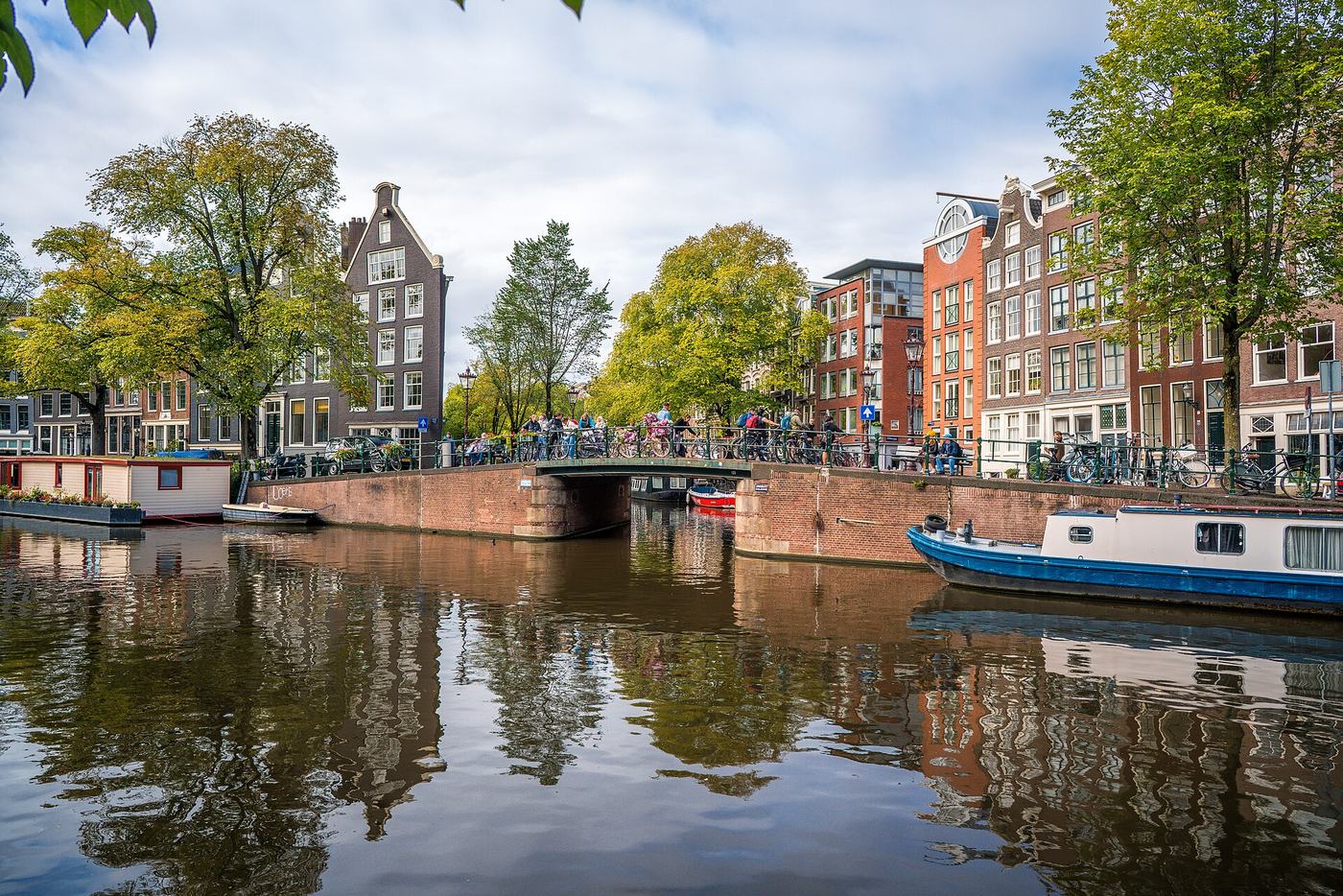
Amsterdam's canals are a seventeenth-century city plan, since three great rings were dug at once, to a design, so that merchant ships could reach the old warehouses that are still standing, now full of flats. That is why the centre looks drawn rather than grown: it was drawn.
The museums are why most people come, and they demand careful planning more than money. The Rijksmuseum costs €25 and the Van Gogh Museum €25, and under-18s go free but still need a ticket with an exact entry time. The Van Gogh Museum sells online only, while the Rijksmuseum requires a time slot and sells a limited number of tickets at the door while they last. The strictest of the three is the Anne Frank House, so book it first and fit the other two around it.
The bicycle in Amsterdam is everyday traffic, not an attraction, and a pedestrian who misses that spends the whole day dodging. Red asphalt is a cycle lane with its own lights and right of way, so you don't stop on it to take a picture. The rule is simple: look left, look right, look left again before you step, because a quiet bike will not brake for you, and the trams have priority too and are just as silent.
Sleeping is the expensive part of the trip. Amsterdam's tourist tax is 12.5 per cent of the overnight rate before VAT, and since 1 January 2026 VAT on accommodation has gone from 9 to 21 per cent, with the tax itself often charged separately, at reception. That is why many people sleep in smaller Haarlem, about fifteen minutes away by train, or in Zaandam, nearer still, and come into the busy centre in the morning.
Check the same room on both sites: price and cancellation terms can differ.
Timed-entry tickets and guided tours in one place.
Both sites fill in your nearest airport for you; change it in one click.
Guides for Amsterdam
Shorter, practical pages for one concrete question each — how many days, how much money, where to sleep, where to escape the city.
Amsterdam in 2 days
→The Rijks, Van Gogh and the canals in two days — with one booking made six weeks earlier.

Day trips from Amsterdam
→From Zaandam to Delft every trip out of Amsterdam fits in one day, and only two ask you to check the date before you go: the flowers and the cheese market.

Where to stay in Amsterdam
→The room tax is charged on top, so in Amsterdam the quarter is chosen by arithmetic as much as by taste.

What Amsterdam costs
→The money goes on the room and the museums, and the city is small enough for a bike and a one-hour ticket to cover most trips.

Amsterdam behind the gates: courtyards and an attic church
→Courtyards behind gates, a church in an attic and a windmill with a brewery, seven things the canal cruise does not show.

What to eat in Amsterdam
→Amsterdam is eaten standing up, at a market stall or a brown café: herring from the hand, bitterballen with beer and a stroopwafel warm from the iron, and for a real meal there is the Indonesian rijsttafel.

The best time to visit Amsterdam
→Tulips in April, the longest days in June, a calmer city in September, and canal lights and emptier museums in winter.

Getting around Amsterdam
→The train from Schiphol runs into Centraal in about seventeen minutes, and from there one contactless card pays for every tram, metro and bus, so a short stay needs no ticket at all.
What to see in Amsterdam
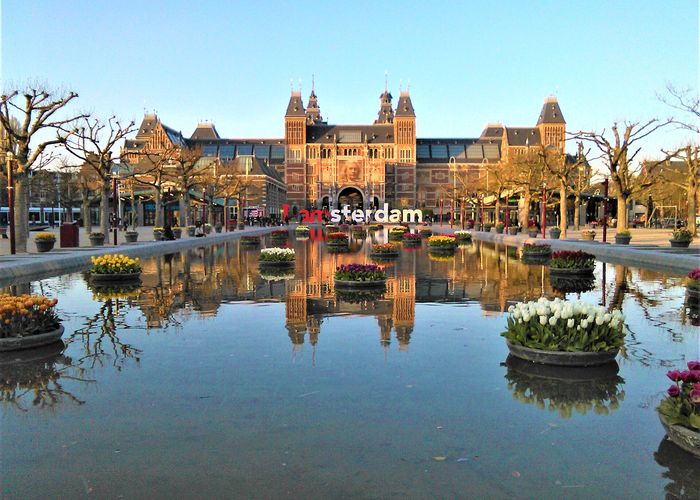
The Rijksmuseum
The national collection in an 1885 building, with Rembrandt's Night Watch at the end of the Gallery of Honour and Vermeer's Milkmaid a few rooms away. The museum opens at nine, and since that first slot is your best chance to stand still in front of the great canvas, it is the one to book.
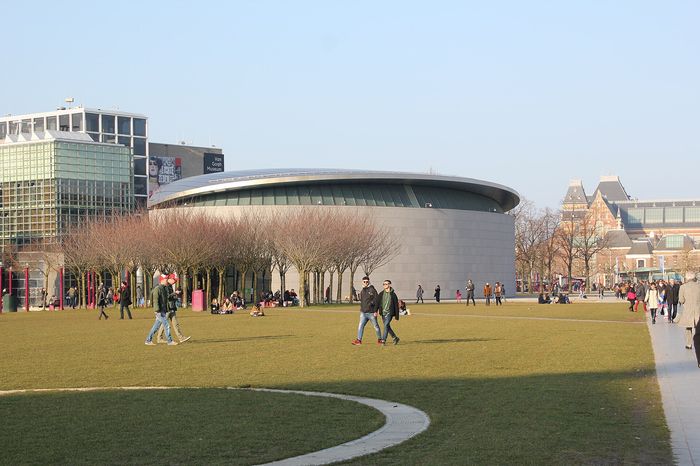
The Van Gogh Museum
The largest collection of Van Gogh anywhere, hung chronologically, so you watch the palette shift from brown to yellow as you move through the rooms, and the ticket for the permanent collection also covers whatever exhibition is on, so there is nothing extra to pay.
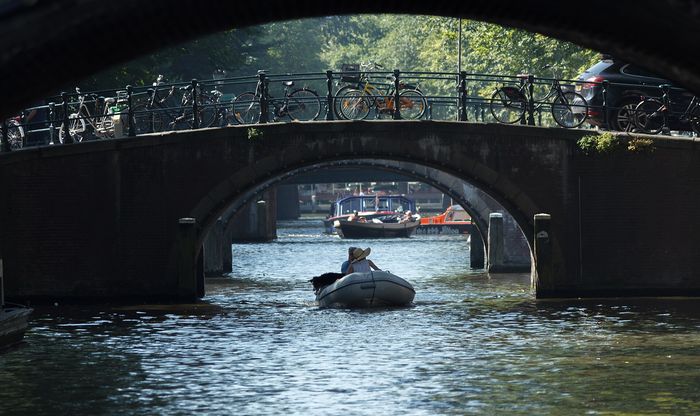
The canals from the water
The canal ring has been UNESCO-listed since 2010 and looks nothing from a boat like it does from the quay: the bridges are low, the houses read from below, and the hoisting hooks under the gables suddenly make sense. The trip takes an hour on the water and is loveliest at dusk, when the bridge lights come on.
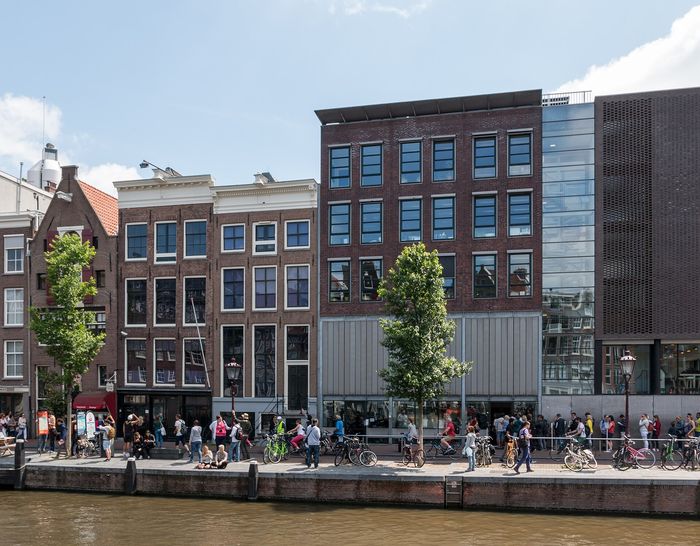
The Anne Frank House
The rear annexe where eight people hid for two years, with the bookcase that closed off the entrance, and tickets are sold online only, every Tuesday at 10am, for visits six weeks later. The visit takes about an hour, and the minimum age is ten, so the museum is not for younger children.
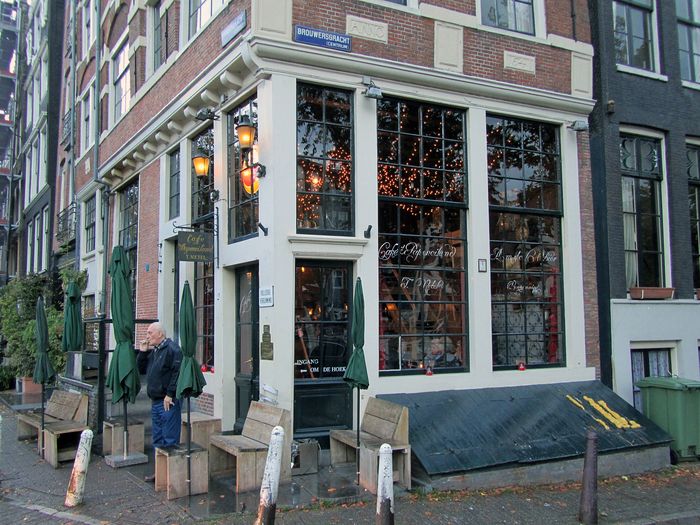
The Jordaan and the brown cafes
The quarter west of the canals, once working-class, now the easiest part of the centre to walk with no destination, and it holds the bruine kroegen, old bars with woodwork darkened by decades of smoke, where you drink beer, not cocktails.
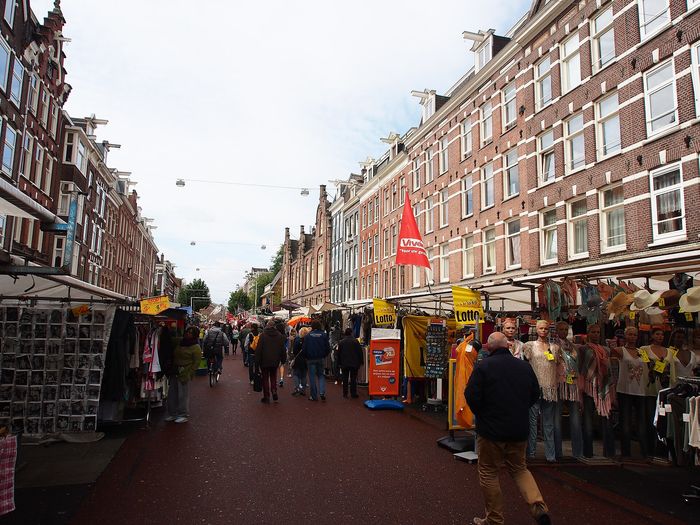
Albert Cuyp market and the Vondelpark
A busy street market in De Pijp, where you eat a warm stroopwafel pressed in front of you and a herring straight from the hand, while fifteen minutes away lies the big Vondelpark, where Amsterdammers spend Sunday afternoon.


Stories from Amsterdam
How it actually was when we were there, and what was worth it.

Amsterdam without the crowds: what to book and when to get up
→One ticket booked weeks ahead and one early alarm do more for an Amsterdam trip than any choice of month. The rest of the day can then go where the crowds do not.

Amsterdam or Rotterdam, and why they are not the same trip
→One of these cities was drawn in the seventeenth century and still follows the drawing; the other burned in 1940 and was never put back.

Amsterdam With Kids: Zoo, Science and a Ship
→Four family stops, ARTIS, Micropia, NEMO and the Maritime Museum, sit in two pairs close together.

New Year's Eve in Amsterdam: Museumplein, the lights and getting around
→Amsterdam keeps its New Year's Eve public, free and mostly fire-free.

King's Day in Amsterdam: the party, what is free and getting around
→King's Day in Amsterdam is a street flea market, canal boats and a night before. This page covers what is free, what needs a ticket and how the centre behaves on 27 April.

Amsterdam Light Festival: by boat or on foot, what is free
→Roughly twenty light artworks hang over and beside the Amsterdam canals, and you can see them from the bank for nothing.
Nomadinho scores out of 100, the same ones behind “Where to go”.
If you like Amsterdam
Three places with the closest scores, from any country.


Two things you probably did not know
Amsterdam houses are narrow because tax was charged on the width of the facade. So they are deep and tall, with a hook at the top for hoisting furniture. The stairs are too narrow to carry anything up.
The whole city stands on wooden piles driven through mud to sand; there are 13,659 of them under the Royal Palace. The canals are dredged, and around fifteen thousand bicycles are pulled out of them every year.
Before you go
Short answers to what people ask most before setting out.
How many days do you need in Amsterdam?
Two to three; two are enough if the museums are booked ahead. The centre is done on foot and by tram, and you should cycle only if you have ridden in heavy traffic before.
Is it cheaper to stay outside Amsterdam?
Yes. Haarlem is about fifteen minutes away by train and Zaandam nearer still, and rooms there cost less. In Amsterdam the tourist tax is 12.5 per cent of the room rate before VAT, and VAT on accommodation has been 21 per cent since 1 January 2026.
When is the best time to visit Amsterdam?
April to May and September. Winter is short and grey, but the museums are empty. The Keukenhof season in 2027 runs from 18 March to 9 May, and a ticket bought online is cheaper than at the gate.
Ready for Amsterdam?
Within reach from here
Places sorted by straight-line distance from Amsterdam — day trips or weekends.


All 298 places we write about sit on one page — narrow them down by continent, country, price or what you are travelling for.
Guides that mention it

eSIM for the Netherlands: local SIM, roaming or eSIM
→Mobile data in the Netherlands on a Serbian SIM: roaming, a prepaid SIM with no registration law or a travel eSIM, and what to expect near the borders.

Night trains in Europe: routes from cities we cover
→Which night trains link Vienna, Venice, Rome, Berlin, Prague and Belgrade, how seat, couchette and sleeper differ and when to book. Routes for 2026.

Long layover: leaving the airport for a city visit
→A Serbian passport opens Schengen and Turkey for a layover trip, but not the UK. How many hours you need and the way into seven city centres.

Front row for the next trip
Leave your email and we'll let you know when a new destination or story goes up.