

The best time to visit Rabat
Spring and early autumn for sightseeing, summer for the ocean and milder heat than inland, winter for quiet and wetter days.
- Best months
- March–May and September–October
- August
- daily high 28 °C, sea 22 °C
- Ramadan
- moves about 11 days earlier each year
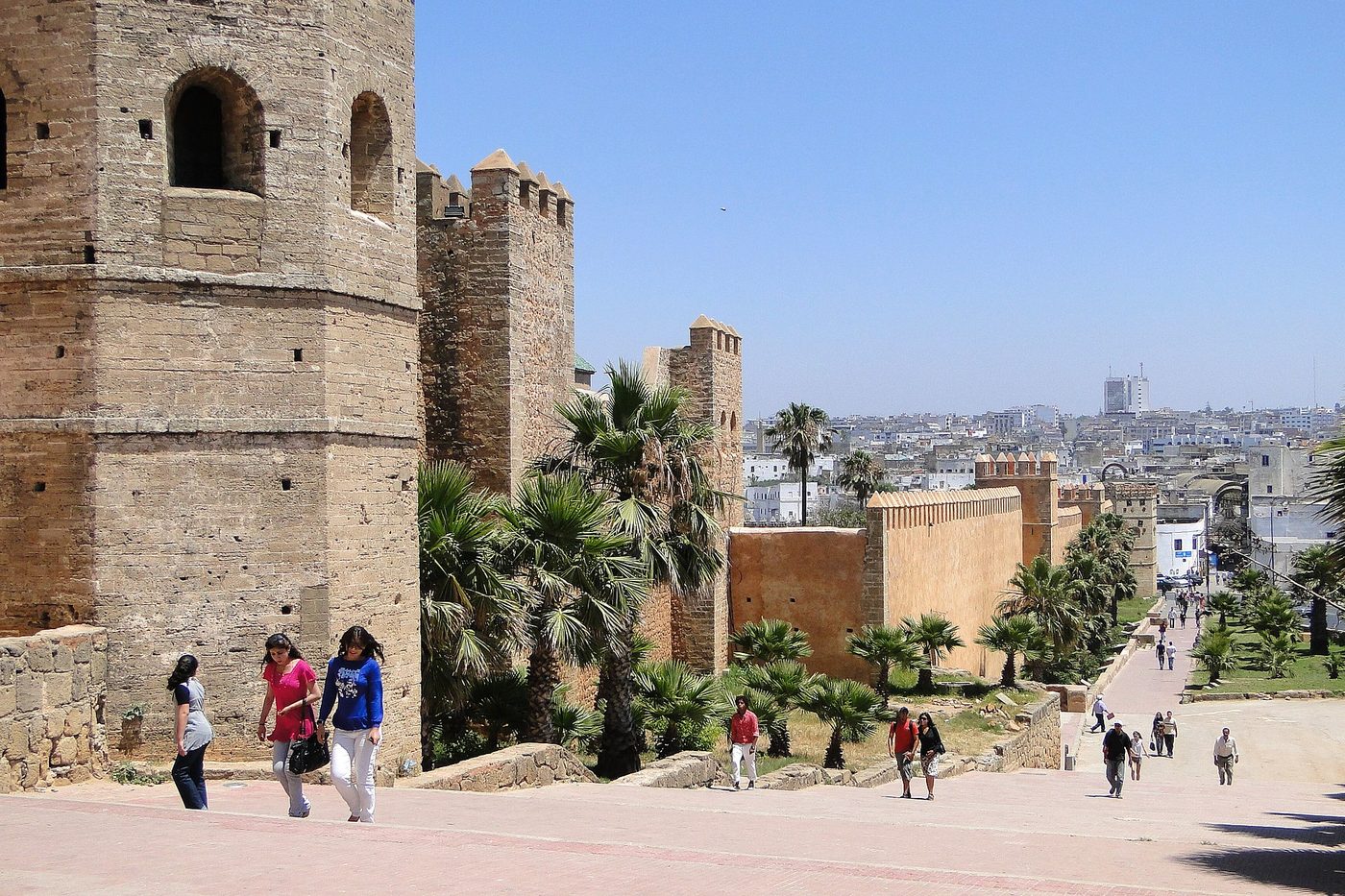
Choose the month in Rabat by water and rain, not by heat. The city sits on the Atlantic, so the summer is gentler than in Marrakech, and the real contrast is with the wetter winter. For sightseeing, March to May and September to October are the months to aim for.
Through the year
The ocean instead of the inland
In August the daily high is 28 °C, and the sea reaches 22 °C from July through September, which is warm enough for a proper swim. Marrakech in July and August climbs to about 37 °C, and that gap is the whole argument for spending a hot month on the coast. The sun shines roughly 10 hours a day from June to August, while July and August bring almost no rain. Bring a hat, because the long days outlast the shade.
June has its own draw in the Mawazine festival, with concerts in Rabat and Salé. The 2026 edition ran for nine days from 19 June and added the Grand Théâtre Royal de Rabat to its venues for the first time. If you want the festival, plan the trip around it and book a room early.
Check the same room on both sites: price and cancellation terms can differ.

Spring and autumn
In April and May the daily high stays at 20–22 °C with about 9 hours of sun, which suits a full day on foot, and the sea is still cool at 17–19 °C. September is warmer, with a high of 27 °C, and October eases to 24 °C. November is the wetter month of the autumn, so leave it for a second trip.
Winter and Ramadan
January and February reach 17–18 °C by day, and the sea sits at 16–17 °C. Winter is wetter than the rest of the year, so a waterproof layer earns its place in the bag, and the beach days belong to another month.
Ramadan moves about 11 days earlier every year, and its start is set by the sighting of the moon. Outside the tourist zones, restaurants are closed in the daytime, so plan your meals before you go.


What changes the plan
Two things can move a trip more than the weather, and the table puts them side by side.
Both sites fill in your nearest airport for you; change it in one click.
Where to next
Getting around Rabat
→The airport is in Salé, the Al Boraq stops at Agdal and the centre is by Ville station, so you choose the station before the ticket.

Casablanca · 86 km
→A city without the thing people come for, and one mosque that makes it worth it

How well does Rabat suit you?
→Six questions: a score for this place and others like it.
If you like Rabat
Three places with the closest scores, from any country.


Before you go
Short answers to what people ask most before setting out.
What is the best month for Rabat?
March to May and September to October are the best months. November is wetter, and winter is wetter still, so those months suit a quieter trip.
Is Rabat hot in summer?
Less than the inland. The coast reaches a daily maximum of 28 °C in August with the sea at 22 °C, while Marrakech climbs to about 37 °C in July and August.
What changes during Ramadan?
Restaurants outside the tourist zones are closed in the daytime. The month moves about 11 days earlier every year, so eat in the tourist districts or buy food in the morning.
Ready for Rabat?
Front row for the next trip
Leave your email and we'll let you know when a new destination or story goes up.