

Where to stay in Buenos Aires
Palermo, Recoleta, San Telmo or the centre are four districts that change how many times a day you go underground.
- First visit
- Palermo: restaurants
- For the classics
- Recoleta: the cemetery
- For character
- San Telmo: cobbles
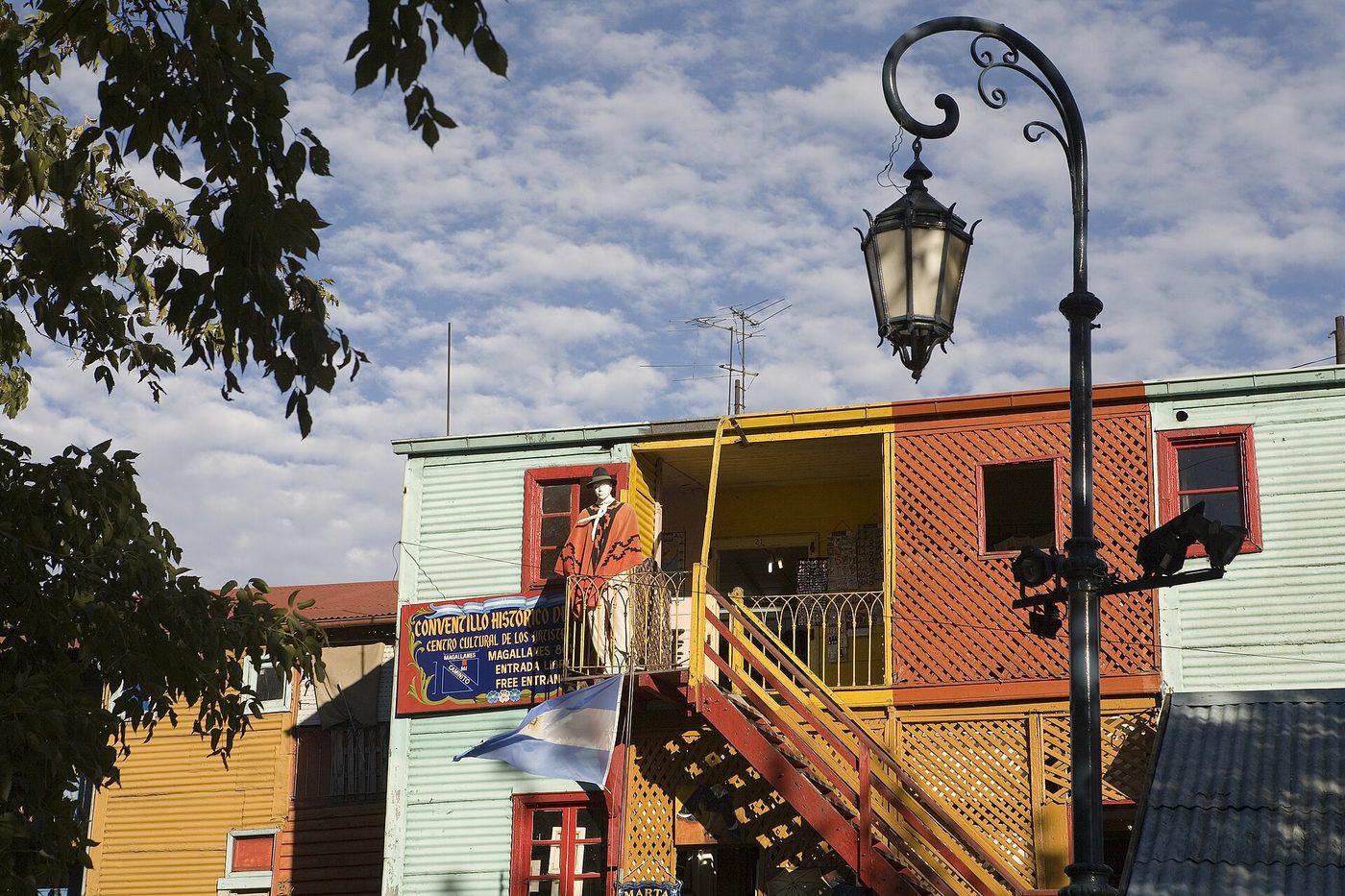
In Buenos Aires you choose a district rather than a hotel, because the distances are European and the districts enormous. Palermo is the largest and has the most choice, Recoleta is the classic city and quiet after eight, San Telmo is one of the oldest, and the centre is the cheapest and empty at night. If you are unsure, start with Palermo.
Palermo — the largest
A district the size of a small city, split into Soho, Hollywood and Botánico. This is where the parks, the most restaurants and the most flats are, and it is twenty minutes to the centre by subte and half an hour to San Telmo. Choose it for a first visit and for stays over three days, and expect the one drawback of a daily subte ride to the museums in the centre.
hostel, dorm bed, per night
Recoleta — the classics and the price
Wide avenues, French architecture from the years when the city was built to look like Paris, the cemetery and museums within walking distance. It is quiet in the evening, which is both the advantage and the drawback, so if you like calm nights this is your district.
hostel, dorm bed, per night

San Telmo — one of the oldest
Cobbles, colonial houses, antique shops and a market that spills down Defensa street on Sundays give it the most character, and it is cheaper than Palermo and Recoleta. In exchange it is louder, and at night you keep to the lit streets, while the centre is walkable.
hostel, dorm bed, per night
The centre — cheapest, and why
The Microcentro is the business district, full of people on weekdays and empty after seven and at weekends. Prices are the lowest in the city, and everything is on foot or one subte stop away. Choose it for a short stay, if you will be out in other districts anyway.
hostel, dorm bed, per night


What to avoid
- Puerto Madero. A district on the water where almost nobody lives; the restaurants are for visitors and everything else is a cab away.
- A room on Avenida 9 de Julio. Sixteen lanes under the window carry through triple glazing.
- La Boca for sleeping. Caminito is a tourist street by day; the rest of the district is not a place to stay.
Where to next
What Buenos Aires costs
→A city where transport is negligible and the bed and the dinner are the whole budget, and where figures go stale faster than anywhere else on this site.

Mendoza · 986 km
→A wine region in the desert, watered by channels older than the Spanish arrival, where no tasting is planned without a driver

How well does Buenos Aires suit you?
→Six questions: a score for this place and others like it.
Nomadinho scores out of 100, the same ones behind “Where to go”.
If you like Buenos Aires
Three places with the closest scores, from any country.


Before you go
Short answers to what people ask most before setting out.
Palermo or Recoleta?
Palermo for restaurants, parks and a longer stay, and Recoleta for museums, quiet and the classic city. Palermo is cheaper and has more choice, while Recoleta is closer to the centre and quieter at night.
Is the centre a good choice?
For a short stay on a low budget, yes, since everything is on foot or one subte stop away. For longer, no, because the Microcentro is a business district that empties completely after seven and at weekends.
Does the metro run at night?
No. The last trains leave between 23.00 and midnight on weekdays, up to half an hour later on Saturdays and around 22.00 on Sundays, and only line B runs until 1.30 on Fridays and Saturdays. Since the evening here starts after midnight, you come back by bus (most lines run at night, less often) or by ride app.
Ready for Buenos Aires?
Front row for the next trip
Leave your email and we'll let you know when a new destination or story goes up.