

Five Mediterranean and Atlantic bases for sun in every season: Malta, Cyprus, Tenerife, Alicante, Alghero
- Published
- 15 October 2026
- Reading
- 6 min read
- Where
- Valletta
- Prices checked
- 14. Oct 2026.
Five bases for sun in every season: Alghero for summer, Alicante for spring and autumn, Valletta and Larnaca for the long autumn, Tenerife for midwinter.
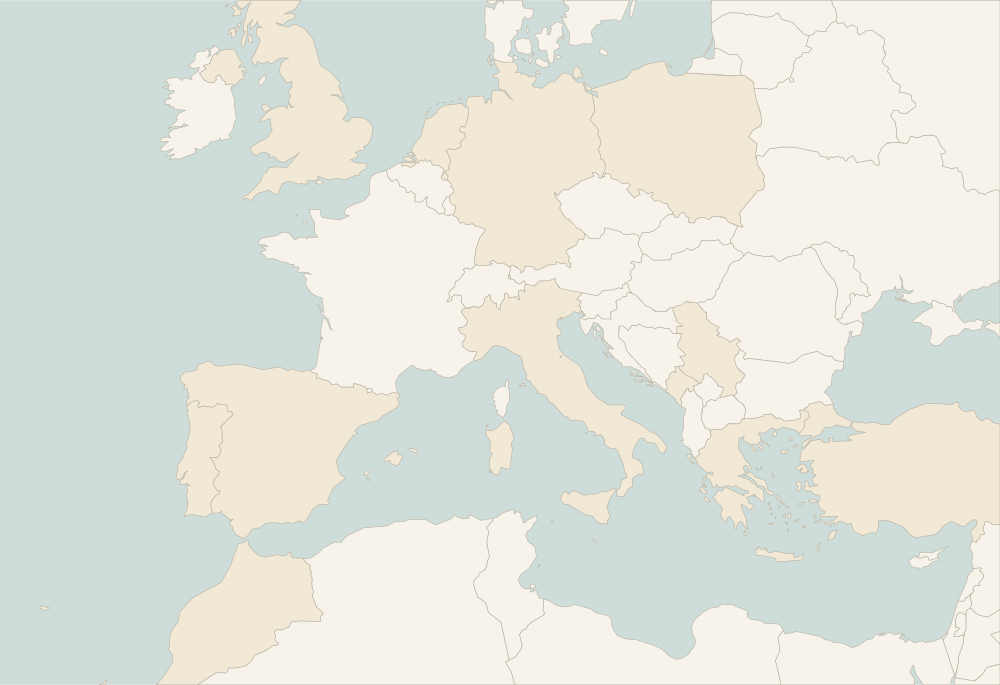
Sun does not keep to July. Five places around the Mediterranean and the Atlantic cover the whole year between them, and each has a stretch in which it is the best of the five. Alghero belongs to summer, Alicante to spring and autumn, Valletta and Larnaca to a long autumn and a mild winter, and Tenerife to the dark end of the year. The order below follows the calendar.
Summer on Catalan Sardinia
Alghero is the one of the five picked mainly for summer, so it comes first. The airport sits about ten kilometres from town, and the airport bus reaches the centre in 20–30 min for €1. Summer is the season in which the coast earns its name.
The town is half Sardinian, half Catalan. Catalans took it in 1354, and the local dialect, alguerès, is still recognised as a minority language. Ramparts from the sixteenth century with seven towers enclose an old town that sits right on the water, and the cathedral of Santa Maria, with an octagonal bell tower in glazed majolica, can be entered for free except on Wednesdays and Sundays, when it is closed.
The coast is called the Riviera del Corallo after its red coral, and most days on it end up at Neptune's Grotto. Reaching the entrance means 654 steps down a cliff about 110 metres high, and the ticket costs €18. A time slot is compulsory even at the ticket office, so the ticket is bought ahead.

Rice at lunch, the castle at dusk
Alicante is the easiest of the five to get right, because it has sun for most of the year. The sea averages about 14 °C in January and about 26 °C in August, and June has the most daylight of all. Bus C-6 runs from the airport to the centre at every hour of the day, about 25 minutes and about €4.70, so the first coffee is drunk on the Explanada, a promenade paved in marble of three colours.
Santa Barbara Castle stands on Mount Benacantil, 166 metres high. Entry is free and the lift to the top costs €2.70, but the castle closes when the wind gets strong, so the lift is no guarantee and the path up from Postiguet beach is the spare plan. That beach, five minutes from everything, is one of four with a Blue Flag in 2026, along with San Juan, Urbanova and Tabarca.
Mornings belong to the Mercado Central, a market with about 300 stalls that opens Monday to Saturday. Rice is eaten at lunch, and on a menu in the evening it counts as a warning. The second day goes to a boat to the island of Tabarca, Spain's first marine reserve, or to Elche by the C-1 train, about half an hour, where a palm grove has been on the UNESCO list since 2000.

The EU's smallest capital
Valletta covers 0.61 square kilometres, so two days are enough for the city and not enough for the island. The average daily high is 32.1 °C in August and about 15.5 °C in January and February, which is the reason to come to Malta just when the rest of Europe cools down.
St John's Co-Cathedral costs €15 and is closed on Sundays. In the Oratory hangs Caravaggio's Beheading of Saint John the Baptist, the only painting he signed. When cruise ships are in, the queue runs from 10 to 1.30, so the best hour is 9 in the morning. The Hypogeum at Ħal Saflieni admits only ten people at a time and is booked before everything else in the plan.
A full day outside the city goes to Mdina, the former capital with 242 residents, or to Gozo by ferry. Winter brings the carnival, which in 2027 runs from 5 to 9 February.

Swimming into November, flamingos after
Larnaca sits on Cyprus, the third largest island in the Mediterranean. The country is in the EU but not in Schengen, which matters to anyone counting days, and traffic keeps to the left.
Finikoudes beach is about 600 metres long and flies a Blue Flag, and at its far end stands a medieval fort, €2.50. The church of Saint Lazarus and the Hala Sultan Tekke mosque are free to enter. Swimming lasts into November, which is when the Salt Lake fills and brings flamingos that stay until March.
Divers know the Zenobia, a Swedish ferry that sank on 7 June 1980 on her maiden voyage and now lies on her side off the town. The best day away from Larnaca goes to Choirokoitia, a Neolithic settlement on the UNESCO list since 1998, 32 kilometres from the city.

Winter on a volcano
The south of Tenerife is dry, with 100 to 200 millimetres of rain a year, while the north gets 350 to 550 and runs four to five degrees colder in winter. The sea in winter sits around 19 to 20 °C, enough for a swim for anyone who does not measure it against the Adriatic in August.
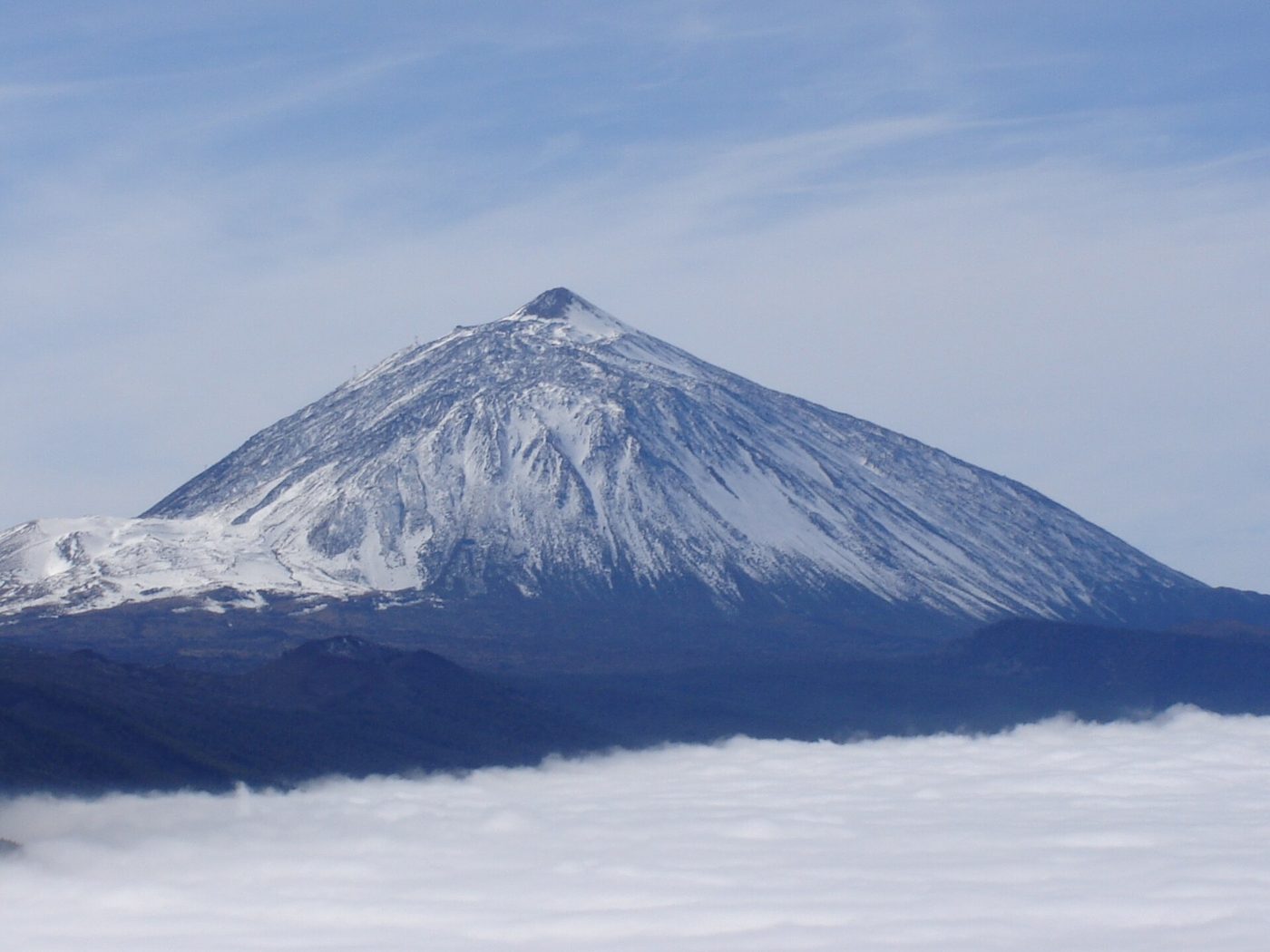
Teide, at 3,718 metres the highest peak in Spain, can be seen from almost everywhere. The cable car costs €42 return and climbs for about eight minutes to a station at 3,555 metres. The last 163 metres to the summit need a separate permit, €15 since 19 January 2026, which is not part of the cable car ticket.
Las Teresitas beach has about 1.5 kilometres of golden sand brought over from Africa. Masca needs a reservation, and the ferry from Los Cristianos to La Gomera takes about 50 minutes. Anyone arriving at the end of winter finds the street carnival in Santa Cruz, which runs from 19 to 28 February 2027.

Spain, in brief
What now
If this sounds like your trip, start here.

Spain
→A country where dinner is at ten and the city wakes up as everywhere else turns the lights off

Is Valencia a cheaper Barcelona? Where it is, and where not
→Three Gaudí tickets in Barcelona cost more than the whole of old Valencia put together.

Pintxos for beginners: how to eat bar by bar in San Sebastian
→Pintxos are not tapas: nothing arrives with your drink, and every bite is ordered and paid for on its own.
Front row for the next trip
Leave your email and we'll let you know when a new destination or story goes up.